
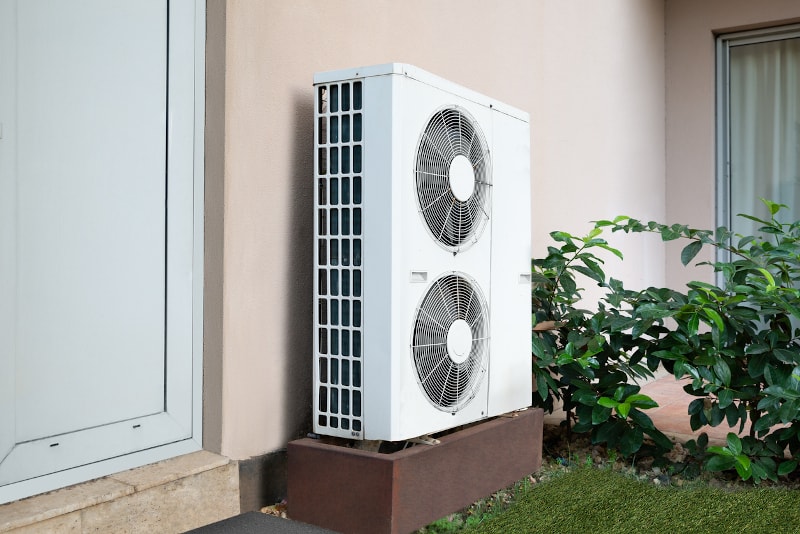
Have you noticed your AC making a strange noise every time it turns on or runs? While some sounds are perfectly normal, others can signal developing problems that shouldn’t be ignored. From loud banging and buzzing to high-pitched squealing or persistent hissing, unusual noises are often your air conditioner’s way of telling you something isn’t right.
Understanding common AC noises and what they mean can help you catch minor issues before they turn into costly repairs or unexpected breakdowns. In this guide, we’ll explain the common AC noises, their most likely causes, and when it’s time to call a professional. Whether your AC unit is making a loud noise or you’re simply wondering why your AC is making noise, these troubleshooting tips can help you keep your home comfortable throughout Punta Gorda’s hot and humid climate.
Why Is My AC Making Noise? Common Causes and What to Check
Your air conditioner naturally makes some noise as it starts, runs, and shuts down. However, a new, louder, or more persistent AC noise may indicate a problem with airflow, electrical components, moving parts, refrigerant, or the duct system. Paying attention to when the sound occurs and where it comes from can help narrow down the cause.
Before inspecting the system, turn it off if you hear grinding, banging, or loud buzzing. Homeowners can safely check the air filter, vents, thermostat settings, and the area around the outdoor unit. Internal electrical, refrigerant, motor, and compressor problems should be handled by an HVAC professional.
Some AC Sounds Are Normal
A soft hum from the outdoor unit, a gentle whoosh of air through the vents, and a brief clicking sound when the system starts or stops are usually normal. You may also hear light popping or ticking from ductwork as the metal expands and contracts with temperature changes.
Normal sounds should remain consistent and should not affect cooling performance. If your system is maintaining the set temperature and the sound has not recently changed, there may be no immediate cause for concern.
When an AC Noise Signals a Problem
An unusual sound may point to a problem when it becomes louder, happens continuously, or appears alongside poor cooling, weak airflow, water leaks, burning odors, or frequent system cycling. Banging may indicate a loose component, while buzzing can be related to electrical trouble. Hissing may point to escaping air or refrigerant, and squealing may signal a worn motor or belt.
If your AC unit is making a loud noise or the sound returns after basic checks, shut the system down and schedule an inspection. Addressing common AC noises and their meanings early can help prevent more serious damage and restore reliable cooling.
1. Banging AC Noise: Loose or Broken Components
A loud banging sound is one of the most concerning common AC noises because it often points to a loose or damaged internal component. Unlike the occasional click during startup, banging is not considered normal and should be addressed as soon as possible. Continuing to run your air conditioner may worsen the damage and lead to more expensive repairs.
What a Banging Noise Usually Means
A banging AC noise can occur when a part inside the indoor or outdoor unit becomes loose or breaks free. Common causes include a loose blower fan, an unbalanced fan blade, worn motor mounts, or damaged compressor components. In some cases, the noise may result from a part striking the inside of the unit while it operates.
Because several issues can produce a similar sound, a professional inspection is often needed to determine the exact cause. Identifying the problem early can help prevent additional damage to surrounding components.
What You Should Do
If your AC unit is making a loud noise that sounds like banging or clanking, turn the system off immediately. Avoid restarting it repeatedly, as this may place additional strain on the blower motor, fan assembly, or compressor.
Next, inspect the outdoor unit from a safe distance for obvious debris or loose panels, but do not attempt to disassemble the equipment. Contact an HVAC technician to diagnose the problem and perform any necessary repairs before operating the system again.
2. Gurgling AC Noise: Refrigerant or Drainage Issues
A gurgling AC noise usually points to liquid or air moving through part of the system. In some cases, the sound may be harmless, especially when refrigerant circulates during normal operation. However, persistent or unusually loud gurgling can indicate a drainage blockage, refrigerant issue, or another problem that needs attention.
Common Causes of Gurgling Sounds
One of the most common causes of gurgling is a clogged or partially blocked condensate drain line. When water cannot flow out properly, air may become trapped in the line and create a bubbling or gurgling sound. You may also notice water near the indoor unit, musty odors, or increased humidity inside your home.
Gurgling can also be related to refrigerant moving through the system. A brief sound may be normal, but ongoing gurgling paired with weak cooling, ice buildup, or longer operating cycles could indicate low refrigerant or a leak. Because refrigerant problems require specialized tools, they should not be handled as a DIY repair.
When to Call an HVAC Technician
Call an HVAC technician if the gurgling sound continues, becomes louder, or appears with water leaks, frozen coils, warm air, or reduced cooling performance. These warning signs may indicate a blocked drain, damaged condensate pump, refrigerant leak, or another internal issue.
Prompt service can help prevent water damage, poor indoor comfort, and additional strain on the AC system. A professional can inspect the drainage and refrigerant components, identify the source of the sound, and recommend the appropriate repair.
3. Buzzing AC Noise: Electrical or Mechanical Problems
A buzzing AC noise can point to either an electrical problem or a mechanical issue inside the system. While a soft, steady hum may be normal, loud, irregular, or persistent buzzing should not be ignored. The sound may come from the indoor unit, outdoor condenser, electrical panel, or nearby refrigerant lines.
What Causes Buzzing?
Common causes of buzzing include loose electrical connections, a failing capacitor, a damaged contactor, or problems with the fan motor. Debris around the outdoor unit can also interfere with the fan blades and create a vibrating or buzzing sound.
In some cases, buzzing may occur when the compressor is struggling to start or when a component is receiving power but cannot operate properly. Dirty condenser coils, loose panels, or refrigerant line vibration may also contribute to the noise. Because several issues can produce similar sounds, a professional diagnosis is often needed to identify the exact cause.
Is It Safe to Keep Running the AC?
It is usually best to turn the system off if the buzzing is loud, new, or accompanied by a burning odor, repeated breaker trips, weak airflow, or poor cooling. Continuing to run the unit may place more strain on electrical components and increase the likelihood of a larger system failure.
Do not open electrical panels or attempt to repair wiring yourself. If your AC is making noise that sounds like persistent buzzing, contact an HVAC technician to inspect the system and restore safe, reliable operation.
4. Squealing AC Noise: Belt, Motor, or Blower Problems
A high-pitched squealing sound is another common AC noise that usually points to a problem with a moving part. Depending on the age and design of the system, the noise may come from a worn belt, failing motor bearings, or the blower assembly. While some brief startup noise may be harmless, ongoing squealing should be checked before the affected component fails completely.
High-Pitched Squealing Explained
Older air conditioning systems may use belts that can become loose, cracked, or worn over time. When a belt slips, it often creates a sharp squealing sound during startup or while the system is running. Newer systems may produce a similar noise when the blower motor or condenser fan motor bearings begin to wear out.
Squealing can also occur if the blower wheel is misaligned or if a motor is under excessive strain. If the sound becomes louder, lasts longer, or appears with weak airflow, uneven cooling, or a burning smell, the problem may be getting worse.
How Fast Should You Address It?
A squealing AC should be inspected as soon as possible, especially if the noise is persistent or increasing in volume. Continuing to run the system can lead to a broken belt, damaged motor, reduced airflow, or a complete shutdown.
Turn the system off if the squealing is severe or accompanied by smoke, burning odors, or repeated breaker trips. Contact an HVAC technician to diagnose the issue and replace worn components before they cause more extensive damage.
5. Whistling AC Noise: Airflow Restrictions
A whistling AC noise usually means air is being forced through a narrow opening or restricted area somewhere in the system. This sound may come from the return vent, supply vents, air filter compartment, or ductwork. While a light whistle may seem minor, persistent airflow restrictions can reduce cooling performance and make the system work harder.
Why Your AC Is Whistling
One of the most common causes is a dirty or overly restrictive air filter. As dust builds up, the blower must pull air through a smaller opening, which can create a high-pitched whistle. Closed or blocked vents may cause a similar sound by increasing air pressure inside the duct system.
Whistling may also indicate loose vent covers, gaps around the filter slot, undersized return ducts, or leaks in the ductwork. If the noise is coming from the indoor unit, it may point to a blower or airflow problem that requires professional inspection.
Easy Troubleshooting Steps
Start by checking the air filter and replacing it if it appears dirty or clogged. Make sure all supply and return vents are open and unobstructed by furniture, curtains, rugs, or other household items. You can also check that the filter is installed correctly and that the access panel is securely closed.
If the whistling continues after these basic checks, schedule an HVAC inspection. A technician can measure airflow, inspect the blower, and look for leaks or pressure problems in the duct system. Addressing the issue early can improve comfort, reduce strain on the equipment, and prevent the AC unit from making loud noise as the restriction worsens.
6. Clicking AC Noise: Electrical Components or Startup Issues
A brief clicking AC noise when the system turns on or shuts off is often normal. The sound may come from the thermostat, relays, or electrical controls as they activate different parts of the system. However, repeated, rapid, or unusually loud clicking may indicate a problem that should be inspected.
Normal Clicking vs. Problematic Clicking
Normal clicking usually happens once at startup and once again when the cooling cycle ends. This is often the sound of the thermostat sending a signal or a relay engaging inside the equipment.
Problematic clicking may continue throughout the cooling cycle, occur without the system starting, or come from the outdoor unit repeatedly. Possible causes include a failing contactor, loose electrical connection, damaged capacitor, obstructed fan blade, or faulty thermostat. Clicking paired with weak cooling or frequent cycling may also point to a control issue.
When Clicking Requires Professional Repair
Schedule professional repair if the clicking is constant, becomes louder, or occurs while the AC struggles to start. You should also call an HVAC technician if the sound is accompanied by repeated breaker trips, burning odors, warm air, or a system that turns on and off frequently.
Avoid opening electrical panels or touching internal wiring. A trained technician can test the controls, inspect the electrical connections, and determine whether a component needs to be repaired or replaced before the issue leads to a complete system shutdown.
7. Hissing AC Noise: Refrigerant Leaks or Air Escaping
A hissing AC noise often means air or refrigerant is escaping from somewhere in the system. The sound may come from the indoor unit, outdoor condenser, refrigerant lines, vents, or ductwork. While a brief hiss during startup or shutdown may be normal, a steady or unusually loud hissing sound should be checked.
What Causes a Hissing Sound?
One possible cause is a refrigerant leak in the coils, lines, or connections. You may also notice weak cooling, longer run times, ice buildup, or higher energy use. Refrigerant problems require professional testing and repair.
Hissing can also come from air escaping through damaged or poorly sealed ductwork. Small gaps, loose connections, or cracked ducts can reduce airflow and make it harder for the system to cool your home efficiently. In some cases, the sound may also come from an overly restrictive air filter or a pressure problem near a vent.
Why You Shouldn’t Ignore It
Ignoring a persistent hissing sound can lead to reduced cooling performance, higher energy use, and additional strain on the system. A refrigerant leak may eventually cause the evaporator coil to freeze or the compressor to overheat. Leaky ducts can also waste conditioned air and create uneven temperatures throughout the home.
If your AC is making noise and the hissing continues after checking the filter and vents, schedule a professional inspection. An HVAC technician can locate the source, test the refrigerant system, inspect the ductwork, and recommend the appropriate repair.
8. Rattling AC Noise: Loose Parts or Debris
A rattling AC noise is often one of the easiest sounds to notice because it tends to become louder as the system runs. In many cases, the cause is relatively minor, such as loose hardware or debris around the outdoor unit. However, persistent rattling can also indicate worn internal components that should be inspected before they lead to more serious damage.
Common Sources of Rattling
Leaves, twigs, pebbles, and other debris can become trapped inside or around the outdoor condenser, causing a rattling sound when the fan operates. Loose access panels, screws, or fasteners may also vibrate during normal operation.
Inside the system, rattling may be caused by loose fan blades, worn motor mounts, damaged blower components, or aging ductwork. If the noise becomes louder over time or is accompanied by poor cooling or vibration, an internal mechanical issue may be developing.
How to Prevent Further Damage
If you hear rattling, turn the system off and inspect the outdoor unit for visible debris. Remove leaves or branches around the condenser and make sure any exterior panels appear secure. Avoid inserting your hands or tools inside the unit, as moving components can cause injury.
If the rattling continues after clearing debris, schedule an HVAC inspection. Prompt repairs can prevent loose parts from damaging the fan, motor, or compressor and help restore quiet, efficient operation. Regular maintenance and seasonal tune-ups can also reduce the likelihood of future common AC noises caused by wear and tear.
9. Humming AC Noise: Motor or Electrical Problems
A low humming sound is one of the more common AC noises, and in some cases, it is completely normal. However, if the humming becomes noticeably louder, continues for an extended period, or is accompanied by poor cooling, it may indicate a problem with the motor or electrical components. Identifying the cause early can help prevent unexpected system failure.
Why Your AC Is Humming
A loud humming sound may occur when the compressor is struggling to start or when the fan motor is beginning to wear out. Faulty capacitors, loose electrical connections, or a failing contactor can also produce a continuous humming noise. In some cases, the outdoor unit may hum because it is receiving power but cannot start the compressor or fan properly.
You may also notice the system taking longer to cool your home, frequent cycling, or the outdoor fan not spinning while the humming continues. These are signs that the problem extends beyond normal operation.
What to Do Next
If your AC is making noise and the humming is louder than usual or doesn’t stop after the system starts, turn the unit off and inspect the outdoor condenser for obvious obstructions. Make sure the area around the unit is free of leaves, branches, or other debris that could interfere with airflow.
If the humming persists or is accompanied by warm air, breaker trips, or a fan that won’t run, contact an HVAC technician for professional diagnosis. Electrical components and motor repairs require specialized tools and training, and prompt service can help prevent additional damage to your air conditioning system.
AC Unit Making Loud Noise? When It’s Time to Call a Professional
An occasional click or low hum may be part of normal operation, but an AC unit making a loud noise often needs professional attention. Banging, grinding, persistent buzzing, squealing, or hissing can indicate loose parts, electrical trouble, airflow restrictions, refrigerant issues, or failing mechanical components. Basic checks may help with a dirty filter or visible debris, but internal repairs should be left to a trained HVAC technician.
Warning Signs You Shouldn’t Ignore
Turn the air conditioner off and call a professional if the noise is sudden, extremely loud, or getting worse. Other warning signs include burning odors, smoke, repeated breaker trips, warm air from the vents, weak airflow, water leaks, ice buildup, frequent cycling, or an outdoor fan that is not spinning.
You should also schedule service when the sound continues after replacing the filter, opening the vents, and clearing debris from around the outdoor unit. These symptoms may indicate a problem with the compressor, fan motor, capacitor, refrigerant lines, blower assembly, or electrical controls.
Why Prompt Repairs Save Money
Addressing unusual AC noises and what they mean early can prevent a worn or loose component from damaging nearby parts. For example, a failing fan motor may place additional strain on the capacitor, while low refrigerant can cause the coil to freeze and make the compressor work harder.
Prompt repairs can also restore efficient cooling, reduce unnecessary energy use, and lower the likelihood of an unexpected breakdown during Punta Gorda’s hottest weather. A professional inspection allows the technician to identify the source of the sound and correct the problem before a smaller repair becomes a larger expense.
Prevent Common AC Noises with Routine Maintenance
Routine maintenance can help prevent many common AC noises by reducing airflow restrictions, keeping moving parts clean, and identifying worn components before they fail. In Punta Gorda’s warm climate, air conditioners often run for long periods, which can increase wear on motors, fans, electrical parts, and other system components. Consistent care can help your AC operate more quietly, efficiently, and reliably.
Change Air Filters Regularly
A dirty air filter restricts airflow and can cause whistling, humming, or rattling sounds as the blower works harder to circulate air. Reduced airflow may also contribute to frozen coils, uneven cooling, and unnecessary strain on the system.
Check the filter every month and replace it when it appears dirty. The appropriate replacement schedule depends on the filter type, household conditions, pet activity, and how frequently the air conditioner runs.
Keep the Outdoor Unit Clear
Leaves, twigs, grass clippings, and other debris can enter the outdoor condenser or interfere with the fan. This may result in rattling, buzzing, or scraping sounds during operation.
Inspect the area around the outdoor unit regularly and remove visible debris. Keep nearby plants and shrubs trimmed to support proper airflow, but avoid placing tools or hands inside the equipment. If debris has reached the fan or internal components, contact an HVAC technician.
Schedule Annual AC Tune-Ups
Professional tune-ups allow an HVAC technician to inspect, clean, and test important system components. The technician can check the fan motor, blower assembly, capacitor, electrical connections, refrigerant system, condensate drain, and other parts that may contribute to unusual noises.
Scheduling maintenance before periods of heavy cooling use can help catch loose hardware, worn components, and performance issues early. Routine service also supports efficient operation and dependable indoor comfort.
Address Small Repairs Early
A minor clicking, rattling, or squealing sound may be an early warning that a component is becoming loose or worn. Ignoring the noise can allow the issue to worsen and affect surrounding parts.
Contact an HVAC professional when a new sound continues, becomes louder, or appears with reduced cooling, weak airflow, water leaks, or frequent cycling. Addressing small repairs early can help prevent more extensive system damage and reduce the likelihood of an unexpected breakdown.
Professional AC Repair for Strange AC Noises in Punta Gorda
If your AC is making noise that doesn’t go away after basic troubleshooting, it’s time to have the system professionally inspected. At Executive Cooling & Heating, we provide dependable AC repair services for homeowners throughout Punta Gorda. Whether your system is producing a loud banging, buzzing, squealing, hissing, or rattling sound, our team can identify the source of the problem and recommend the right repair to restore reliable cooling.
Fast Diagnosis for Unusual AC Noises
Different AC problems can produce similar sounds, which is why an accurate diagnosis is essential. Our technicians perform a thorough inspection of your air conditioning system, checking the compressor, blower motor, fan assembly, electrical components, refrigerant lines, condensate drain, and ductwork to pinpoint the cause of the noise.
Once we’ve identified the issue, we’ll explain our findings, discuss your repair options, and complete the work using quality parts and proven repair techniques.
Experienced HVAC Technicians You Can Trust
Since 1988, Executive Cooling & Heating has been helping homeowners in Punta Gorda and the surrounding communities stay comfortable year-round. Our experienced HVAC technicians are trained to service all major air conditioning brands and are committed to delivering honest recommendations, quality workmanship, and dependable customer service.
Whether your AC unit is making a loud noise or you’re experiencing reduced cooling performance, you can count on our team to provide professional solutions tailored to your home’s needs.
Schedule AC Repair with Executive Cooling
Unusual AC sounds rarely go away on their own. The sooner you address the problem, the better your chances of preventing additional damage and avoiding more expensive repairs.
If your air conditioner is making strange noises, contact Executive Cooling & Heating today to schedule professional AC repair in Punta Gorda. We’ll diagnose the issue, restore your system’s performance, and help keep your home cool and comfortable throughout the Florida heat.
FAQs About AC Noises
Is it safe to run an AC that’s making noise?
It depends on the type and severity of the sound. A brief click or low hum may be normal, but loud banging, grinding, squealing, buzzing, or hissing can indicate a mechanical, electrical, or refrigerant problem. Turn the system off if the noise is sudden, worsening, or accompanied by burning odors, smoke, breaker trips, warm air, or weak airflow.
Why is my AC making a buzzing sound but still cooling?
An AC may continue cooling while buzzing because a component is beginning to fail but has not stopped working completely. Possible causes include a loose electrical connection, worn capacitor, failing contactor, vibrating refrigerant line, dirty condenser coil, or fan motor problem. Since electrical issues can worsen without warning, persistent buzzing should be inspected by an HVAC professional.
Why does my AC whistle when it turns on?
Whistling usually points to restricted airflow. A dirty air filter, closed vent, blocked return, loose filter cover, or gap in the ductwork can force air through a narrow opening and create the sound. Check the filter and make sure all vents are open. If the whistling continues, the system may have a duct or airflow problem that requires professional testing.
Can a dirty air filter cause AC noise?
Yes. A clogged filter can restrict airflow and cause whistling, humming, rattling, or louder blower operation. It can also make the system work harder, reduce cooling performance, and contribute to frozen coils. Check the filter monthly and replace it when it appears dirty.
When should I call an HVAC professional for AC noises?
Call an HVAC professional when the sound is new, loud, persistent, or getting worse. You should also schedule service if the noise appears with poor cooling, weak airflow, water leaks, ice buildup, frequent cycling, burning odors, or repeated breaker trips. Prompt diagnosis can help prevent a minor issue from developing into a more expensive repair.
From Clanks to Comfort, We’ve Got You Covered!
Unusual sounds are often one of the first signs that your air conditioner needs attention. Whether you’re hearing banging, buzzing, whistling, or other AC noise, addressing the issue early can help prevent more extensive repairs, improve system efficiency, and keep your home comfortable throughout Punta Gorda’s hot and humid weather. At Executive Cooling & Heating, we’re proud to provide dependable Air Conditioning Repair Service in Punta Gorda, expert Duct Work in Punta Gorda, solutions that support healthier indoor air quality in Punta Gorda, and preventative Air Conditioner Maintenance Plans in Punta Gorda designed to keep your system running quietly and efficiently.
If your air conditioner is making strange noises, we’re ready to help. Our experienced HVAC technicians will quickly diagnose the problem, recommend the right repair, and restore your comfort with honest, reliable service. We also offer flexible financing options to make larger repairs and system replacements more manageable. Call us today at (941) 637-9800 or contact us to schedule your service. We look forward to helping you enjoy quieter, more reliable cooling all year long.