
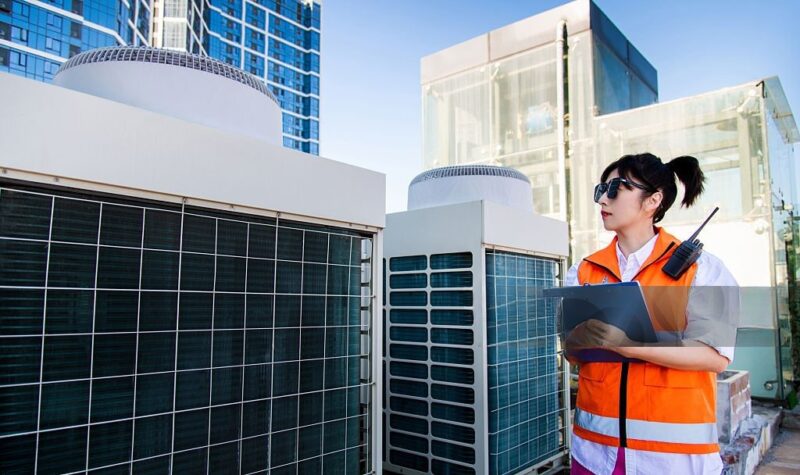
Commercial HVAC systems play an important role in keeping businesses comfortable, productive, and ready to serve customers. However, when heating and cooling equipment operates for long hours, especially during Florida’s hot and humid months, normal wear and tear can affect its performance. Dirty filters, restricted airflow, drainage issues, and neglected components may cause systems to work harder than necessary, contributing to higher energy consumption, unexpected repair expenses, and costly interruptions to daily operations. For business owners and property managers, these issues can affect more than indoor comfort. They can also add unnecessary pressure to an operating budget.
Regular commercial HVAC maintenance helps businesses stay ahead of these concerns by keeping equipment clean, identifying developing problems, and addressing performance issues before they become more expensive to resolve. A consistent maintenance routine can support better system efficiency, reduce the risk of unexpected downtime, and help businesses plan for future HVAC expenses. In this guide, we’ll explore the financial benefits of preventive maintenance, explain which tasks are included in professional commercial HVAC service, and share practical maintenance tips for businesses in Punta Gorda and throughout Southwest Florida.
Why Commercial HVAC Maintenance Matters for Businesses in Punta Gorda
A reliable commercial HVAC system is essential to keeping a business comfortable and functional throughout the year. Offices, retail stores, restaurants, and other commercial properties depend on proper heating, cooling, and ventilation to maintain comfortable conditions for employees and customers. HVAC equipment also helps manage indoor temperatures for certain business operations and equipment that may be sensitive to excessive heat. When a system struggles to maintain the desired conditions, it can affect daily operations and create additional expenses for the business.
In Punta Gorda and throughout Southwest Florida, high temperatures and humidity place considerable demands on commercial cooling systems. Equipment that operates for extended periods needs consistent attention to maintain its performance and condition. Rather than waiting for a breakdown, businesses can take a more proactive approach through regular commercial HVAC maintenance. Reactive maintenance addresses problems after they occur, while preventive maintenance involves scheduled inspections and service to identify potential concerns earlier. This approach helps businesses manage operating costs, protect their HVAC investment, and reduce the risk of unexpected disruptions.
The Financial Impact of an Overworked Commercial HVAC System
When commercial HVAC equipment is not properly maintained, it may have to work harder to maintain indoor temperatures. Dirty air filters, restricted airflow, unclean coils, and developing mechanical problems can interfere with normal system operation. For example, a clogged filter can limit airflow, while dirt buildup on coils can affect the system’s ability to transfer heat effectively. As a result, equipment may need to run longer or use more energy to meet the building’s cooling demands.
These efficiency issues can contribute to higher electricity consumption, particularly for businesses that operate their HVAC systems throughout the workday. Neglected maintenance can also allow smaller problems to go unnoticed until they require more extensive repairs. A minor drainage issue, worn component, or developing electrical concern may become more disruptive if left unaddressed. When you consider energy bills, repair expenses, and potential downtime together, the condition of your HVAC system becomes an important part of managing a commercial property’s operating budget.
Why Florida Businesses Need Consistent HVAC Maintenance
Commercial HVAC systems in Southwest Florida face demanding operating conditions. Punta Gorda businesses often need cooling for much of the year, and high outdoor temperatures can require equipment to run for extended periods. This sustained use makes routine inspections important for checking system performance, identifying worn components, and addressing airflow or cooling concerns before the hottest months arrive.
Humidity is another important consideration. Air conditioning systems remove moisture from indoor air as they cool a building, and that moisture needs to drain properly through the condensate system. Clogged drain lines or drainage problems can lead to water accumulation, leaks, and interruptions in system operation. Businesses should also pay attention to persistent indoor dampness, musty odors, and other signs that moisture may not be adequately managed.
Waiting until peak summer temperatures to schedule service can leave businesses dealing with maintenance concerns when cooling demand is already high. A better approach is to plan inspections ahead of the main cooling season and follow up according to the equipment’s condition, operating hours, and manufacturer’s recommendations. Consistent commercial HVAC maintenance helps businesses stay prepared for Florida’s climate while making equipment care a more predictable part of their operating expenses.
7 Ways Regular Commercial HVAC Maintenance Saves Businesses Money
1. Lower Monthly Energy Bills Through Better HVAC Efficiency
One of the most noticeable financial benefits of regular commercial HVAC maintenance is the potential to reduce unnecessary energy consumption. Dirty air filters, clogged coils, and restricted airflow can interfere with normal system operation. When air cannot circulate properly or equipment cannot transfer heat effectively, the system may need to run longer or work harder to maintain the desired indoor temperature.
Professional maintenance helps address these concerns through filter inspections, appropriate component cleaning, and system performance checks. Technicians can also evaluate thermostat operation, airflow, and other factors that affect heating and cooling performance. Keeping these components in proper working condition helps your equipment operate more efficiently and avoid unnecessary strain.
For businesses that run their HVAC systems throughout the day, small efficiency issues can add up over time. However, the actual impact on energy bills depends on several factors, including equipment condition, building insulation, ductwork, thermostat settings, operating schedules, and overall energy usage. Regular maintenance supports efficient operation, but it does not guarantee a specific amount of savings.
2. Prevent Expensive Commercial HVAC Repairs
Small HVAC problems can become more complicated and expensive when they go unnoticed. A worn component, loose electrical connection, clogged condensate drain, or unusual change in system performance may not immediately stop the equipment from operating. However, allowing these concerns to continue can lead to additional wear or more extensive service needs.
During routine inspections, HVAC technicians can check important components, identify visible signs of deterioration, and investigate developing performance issues. Addressing a minor concern early may be less disruptive than waiting until it affects other parts of the system or causes a complete loss of cooling.
This can also help businesses avoid some unexpected repair situations that require urgent attention. Although preventive maintenance cannot eliminate every equipment failure, it gives technicians opportunities to identify and address certain problems before they become more serious. For business owners, that means fewer avoidable surprises and better control over HVAC-related expenses.
3. Reduce Unexpected HVAC Downtime and Business Disruptions
An unexpected HVAC breakdown can affect more than the comfort of a commercial property. When a cooling system stops working, offices may become uncomfortable for employees, retail stores may have difficulty serving customers, and restaurants or other customer-facing businesses may need to adjust their operations. Depending on the building and the severity of the problem, a prolonged interruption may affect business activities and revenue.
Regular commercial HVAC maintenance helps reduce the risk of these disruptions by giving technicians an opportunity to inspect equipment and identify potential concerns. If a developing issue is found, businesses may be able to schedule the necessary service before the system experiences a more serious failure. Planned appointments can also make it easier to coordinate maintenance around business hours and minimize interruptions.
The financial benefit goes beyond the cost of repairing the equipment. Businesses should also consider the time employees spend dealing with comfort complaints, temporary operational changes, and potential inconvenience to customers. Keeping HVAC equipment properly maintained can help reduce the likelihood of these avoidable disruptions, although no maintenance schedule can guarantee uninterrupted operation.
4. Extend the Service Life of Commercial HVAC Equipment
Commercial HVAC systems represent a significant investment, so businesses naturally want to get as much useful service from their equipment as reasonably possible. Regular maintenance supports this goal by keeping components clean, checking for wear, and addressing issues that may place unnecessary strain on the system.
For example, restricted airflow can affect how an HVAC system operates, while neglected coils and mechanical components may contribute to performance problems. Routine inspections and appropriate cleaning help technicians evaluate these conditions and recommend service when needed. Addressing maintenance concerns can support the system’s ongoing operation and reduce the likelihood of certain preventable equipment problems.
Taking care of existing equipment may also help businesses delay the substantial expense of installing a replacement system. However, maintenance cannot stop normal aging or guarantee a particular service life. Equipment longevity also depends on system design, installation quality, operating conditions, usage, environmental exposure, and maintenance history. Consistent care simply gives businesses a better opportunity to protect their HVAC investment.
5. Maintain Consistent Indoor Comfort for Employees and Customers
A comfortable indoor environment matters to businesses that welcome employees, customers, clients, and visitors throughout the day. Uneven temperatures, weak airflow, and unreliable cooling can make certain areas of a building uncomfortable, even when the HVAC system is running. These problems may lead to recurring complaints, interruptions, and an unpleasant experience for people using the space.
Routine maintenance helps identify some of the issues that affect indoor comfort. Technicians can evaluate airflow, thermostat operation, and overall system performance to investigate why certain rooms may be warmer or cooler than others. They can also identify equipment concerns that may prevent the system from maintaining consistent temperatures throughout occupied areas.
Maintaining appropriate indoor conditions can support a more comfortable workplace and a better customer experience. While HVAC maintenance cannot guarantee employee productivity or customer satisfaction, it helps businesses address equipment-related comfort problems before they become persistent concerns.
6. Support Better Indoor Air Quality and Ventilation
Indoor air quality is another important consideration for commercial properties. Offices, retail spaces, and other occupied buildings can accumulate dust and airborne particles through everyday activities. When HVAC filters are dirty or airflow is restricted, the system may not circulate air as intended, potentially affecting the indoor environment.
Regular maintenance includes checking filters, inspecting relevant system components, and evaluating airflow. Depending on the building and equipment, technicians may also identify concerns involving ventilation, moisture, or the condition of components that require cleaning. These checks can help businesses maintain their HVAC systems and address conditions that may affect indoor air quality.
Humidity management is particularly important in Punta Gorda, where warm, moist outdoor air can place additional demands on cooling equipment. Persistent musty odors, excess indoor moisture, and recurring ventilation concerns should not be ignored. However, HVAC maintenance alone does not resolve every indoor air quality issue. The appropriate solution depends on the building’s ventilation requirements, indoor conditions, and existing equipment.
7. Make HVAC Expenses More Predictable With Planned Maintenance
Unexpected HVAC repairs can make it difficult for businesses to manage their operating budgets. Without regular inspections, owners and property managers may have limited information about equipment condition or upcoming service needs. A system might continue operating while developing problems that eventually require more extensive attention.
A planned maintenance schedule gives businesses a more organized way to monitor their equipment. Service records can document inspection dates, filter changes, repairs, recurring concerns, and technician recommendations. Over time, this information can help identify patterns, track equipment condition, and provide a clearer picture of future maintenance requirements.
Having this information also supports better decisions about repairs and eventual replacement. Instead of responding only when equipment stops working, business owners can use maintenance history and professional recommendations to plan for upcoming expenses. Although routine maintenance still involves a service cost, budgeting for scheduled care can make HVAC expenses more manageable than relying entirely on unexpected repairs.
For commercial properties in Southwest Florida, preventive maintenance is a practical part of responsible facility management. It helps businesses stay informed about their equipment, prepare for seasonal cooling demands, and make more deliberate decisions about long-term HVAC costs.
What Happens When Businesses Neglect Commercial HVAC Maintenance?
Skipping routine HVAC maintenance might seem like an easy way to reduce expenses, especially when a commercial system appears to be working normally. However, postponing inspections and necessary service can allow small problems to develop into more expensive concerns. Dirty filters, restricted airflow, clogged condensate drains, and worn components may gradually affect system performance without causing an immediate breakdown.
Over time, these issues can contribute to higher energy consumption, additional repair needs, uncomfortable indoor conditions, and unnecessary strain on expensive equipment. For businesses in Punta Gorda, where cooling systems often operate for much of the year, neglecting maintenance can create avoidable costs and operational challenges. Understanding the potential consequences makes it easier to recognize why consistent commercial HVAC maintenance matters.
Higher Energy Consumption and Utility Costs
A poorly maintained HVAC system may consume more energy than necessary to maintain comfortable indoor temperatures. Dirty air filters can restrict airflow, while clogged coils and neglected components can interfere with normal heating and cooling performance. When these issues prevent the system from operating efficiently, equipment may need to run longer or work harder to meet the building’s temperature requirements.
For commercial properties with long operating hours, inefficient performance can contribute to higher monthly electricity bills. The impact may be especially noticeable during Southwest Florida’s hotter months, when cooling demand is already high. Regularly checking filters, maintaining clean components, and addressing airflow concerns can help businesses avoid some of the efficiency problems associated with neglected equipment.
More Frequent Repairs and Unexpected Equipment Problems
Without routine inspections, worn components and developing mechanical or electrical issues may go unnoticed. A loose connection, deteriorating part, or unusual operating condition might not immediately prevent the HVAC system from running, but it can create additional problems if left unaddressed. Businesses may eventually face more extensive troubleshooting or repairs that could have been identified earlier.
Drainage and airflow concerns can also lead to additional service needs. For example, a clogged condensate drain may cause water to accumulate around the equipment or trigger a safety switch that interrupts cooling. Restricted airflow can affect system performance and place unnecessary strain on certain components. Regular professional maintenance gives technicians an opportunity to identify these concerns and recommend appropriate service before they become more disruptive. Although inspections cannot prevent every equipment problem, they can help reduce the risk of avoidable repairs.
Uncomfortable Workspaces and Disrupted Operations
Commercial HVAC problems can affect the people who use a building every day. Inadequate cooling, uneven temperatures, weak airflow, and ventilation concerns can make offices, retail spaces, restaurants, and other business environments uncomfortable. Employees may find it harder to work comfortably, while customers and visitors may have a less pleasant experience.
These concerns become more disruptive when equipment fails during periods of high cooling demand. A business may need to adjust its operations, relocate employees, limit access to certain areas, or temporarily interrupt customer service while waiting for repairs. The financial impact can extend beyond the HVAC service bill to include lost time, operational inconvenience, and potential interruptions to business activities.
Consistent maintenance helps businesses monitor equipment condition and address developing performance issues before they cause more serious disruptions. It also provides an opportunity to plan service around operating hours when possible, rather than responding only after cooling is lost.
Premature Equipment Replacement
Commercial HVAC systems are significant investments, and replacing one can represent a substantial capital expense for a business. When equipment is consistently neglected, dirt buildup, restricted airflow, and unresolved mechanical concerns can contribute to unnecessary strain and component deterioration. Over time, these conditions may affect system performance and increase the likelihood of expensive repairs.
Regular maintenance helps protect existing equipment through appropriate cleaning, inspections, and timely attention to developing issues. It can also give business owners a clearer understanding of their system’s condition, making it easier to plan for repairs or eventual replacement instead of facing an unexpected equipment expense.
However, maintenance cannot prevent normal equipment aging or eliminate every major failure. The service life of a commercial HVAC system also depends on its design, installation, usage, operating environment, and overall condition. The goal of consistent maintenance is to care for the equipment, address preventable problems, and make more informed decisions about its long-term costs.
What Does Commercial HVAC Maintenance Include?
Professional commercial HVAC maintenance involves more than checking whether the air conditioner turns on and cools the building. It includes inspecting important system components, evaluating equipment performance, and addressing conditions that may affect efficiency, reliability, and indoor comfort. Because commercial properties often have larger systems, multiple zones, and longer operating hours than residential homes, their maintenance requirements can also be more involved.
The exact maintenance checklist depends on the type of HVAC equipment, the building’s requirements, how frequently the system operates, and the manufacturer’s recommendations. A qualified technician can determine which inspections, cleaning tasks, and adjustments are appropriate for your equipment. Here are some of the common tasks included in professional commercial HVAC maintenance.
Inspect and Replace Air Filters
Air filters help capture dust and other airborne particles before they circulate through the HVAC system. Over time, these particles accumulate and can restrict airflow if the filters are not cleaned or replaced as needed. Restricted airflow may affect cooling performance, increase equipment strain, and contribute to inefficient operation.
During maintenance, technicians inspect filter condition and determine whether replacement or cleaning is necessary. The appropriate schedule varies depending on the filter type, equipment requirements, building occupancy, and indoor activities. For example, commercial spaces with high foot traffic, frequent indoor activity, or greater dust levels may need more frequent filter attention than buildings with lighter use.
Clean and Inspect HVAC Coils and Components
Evaporator and condenser coils play important roles in the cooling process. The evaporator coil absorbs heat from indoor air, while the condenser coil releases that heat outdoors. When dirt and debris accumulate on these components, heat transfer can become less effective, potentially affecting cooling performance and energy efficiency.
Commercial HVAC maintenance may include inspecting both coils and determining whether professional cleaning is needed. Technicians may also check blower components and other relevant equipment parts for dirt buildup, wear, or visible signs of damage. Keeping these components in suitable condition helps the system move air and transfer heat as intended.
Check Refrigerant Levels and System Performance
Refrigerant circulates through an air conditioning system to transfer heat and produce cooling. If refrigerant conditions fall outside the equipment’s specified operating range, the system may struggle to cool the building properly. This can result in longer cooling cycles, reduced performance, or other operating concerns.
During a professional inspection, technicians can evaluate refrigerant-related system performance and investigate abnormal readings or signs of a possible leak. Low refrigerant levels should not automatically be treated as a routine maintenance issue because they may indicate a leak that needs to be located and repaired. Refrigerant handling, leak detection, and related repairs require qualified professionals with the appropriate tools and training.
Inspect Electrical Connections and Mechanical Components
Commercial HVAC systems rely on electrical and mechanical components working together to control heating, cooling, and airflow. Depending on the equipment, these may include electrical connections, contactors, capacitors, motors, belts, switches, and control components.
During maintenance, technicians inspect applicable components for signs of wear, deterioration, loose connections, or other conditions that could affect system operation. A worn belt or faulty electrical component, for example, may interfere with equipment performance or lead to an unexpected interruption if left unaddressed. Identifying these concerns during routine service gives businesses an opportunity to arrange appropriate repairs before the issue becomes more disruptive.
Electrical inspections and mechanical adjustments should always be handled by qualified HVAC technicians. These tasks can involve electrical hazards and specialized equipment, making them unsuitable for routine DIY maintenance.
Check Condensate Drainage and Moisture Control
Commercial air conditioning systems remove moisture from indoor air as part of the cooling process. The resulting condensation collects in a drain pan and flows through a condensate drain line. Because Florida’s humidity can create a substantial moisture load, keeping this drainage system in proper condition is particularly important for businesses in Punta Gorda.
During maintenance, technicians check condensate pans, drain lines, and associated components for blockages, leaks, or other signs of drainage problems. A clogged line can cause water to accumulate, potentially resulting in leaks around indoor equipment or triggering a safety switch that shuts down cooling. Regular inspections help identify drainage concerns and address them before they cause more extensive water damage or operational interruptions.
Evaluate Thermostats, Controls, and Airflow
Thermostats and HVAC controls help regulate indoor temperatures and determine when equipment operates. If a thermostat is inaccurate or settings are not properly configured, the system may not maintain the desired conditions throughout the building. This can contribute to unnecessary operating cycles, inconsistent temperatures, and occupant comfort complaints.
Technicians can check thermostat operation, review control settings, and evaluate airflow to identify possible performance issues. They may also investigate uneven cooling between rooms or zones, which could be related to ductwork, airflow restrictions, or equipment concerns. For commercial properties with programmable controls or building automation systems, reviewing schedules and operating settings may also help align HVAC operation with occupancy patterns.
A properly evaluated control system helps businesses manage indoor conditions while avoiding unnecessary equipment operation. The right settings will depend on the building’s layout, operating hours, occupancy, and cooling requirements.
4 Commercial HVAC Maintenance Tips for Florida Businesses
1. Prepare Commercial Cooling Systems Before Peak Summer Heat
Commercial air conditioning systems often face their heaviest workload during Florida’s hottest months. Waiting until temperatures rise and cooling demand increases to schedule maintenance can leave businesses dealing with equipment concerns when they need their systems most. A better approach is to arrange a professional inspection before peak summer heat arrives.
A pre-season inspection gives technicians an opportunity to evaluate cooling performance, inspect important components, check condensate drainage, and identify developing issues that may need attention. Addressing these concerns ahead of time can help businesses reduce the risk of preventable interruptions during periods of heavy use.
Once the cooling season begins, continue monitoring how your system performs. Pay attention to longer cooling cycles, unusual noises, inconsistent temperatures, and changes in airflow. If your building takes longer than usual to reach the desired temperature, have the equipment evaluated rather than assuming it is simply responding to the outdoor heat.
2. Monitor Indoor Humidity and Condensate Drainage
Florida’s humid climate makes moisture management an important part of commercial HVAC maintenance. As air conditioning equipment cools indoor air, it also removes moisture that must drain properly through the condensate system. When a drain line becomes clogged or another drainage component develops a problem, water may accumulate around the equipment or interrupt normal system operation.
Business owners and facility managers should watch for visible signs of moisture concerns, including:
- Water around indoor HVAC equipment or beneath drain pans.
- Persistent musty odors in occupied areas.
- Damp surfaces or recurring condensation.
- Unusually humid or sticky indoor conditions despite running the air conditioner.
These signs do not always point to the same problem, so avoid assuming that a clogged drain is the only possible cause. If moisture concerns keep returning, schedule a professional inspection to evaluate the drainage system, airflow, and overall cooling performance. Addressing recurring moisture issues early can help businesses avoid more extensive water-related problems.
3. Keep Outdoor HVAC Equipment Clear and Protected
Commercial HVAC equipment often includes outdoor components that need adequate space and airflow to operate properly. Leaves, grass clippings, dirt, overgrown vegetation, and other debris can accumulate around these units and obstruct airflow. When outdoor equipment cannot release heat effectively, cooling performance may be affected.
Between professional service visits, visually inspect the area around outdoor equipment and remove loose debris that can be safely accessed. Keep plants, stored materials, and other obstructions away from the unit according to the manufacturer’s recommended clearance requirements. Also, check that sprinklers are not repeatedly spraying the equipment.
Businesses near the coast should pay additional attention to visible corrosion. Salt in the air, combined with moisture, can contribute to deterioration of outdoor cabinets, fasteners, and other exposed components. If you notice rust or other signs of corrosion, ask an HVAC professional about appropriate cleaning and protective measures for your equipment. Avoid using harsh chemicals or pressure washers, as improper cleaning can damage sensitive components.
4. Pay Attention to Commercial Ductwork and Air Distribution
Your commercial HVAC system depends on properly functioning ductwork to distribute conditioned air throughout the building. Leaks, damaged insulation, disconnected sections, and airflow restrictions can interfere with that process. For example, leaking ducts may allow conditioned air to escape into unoccupied spaces, while damaged insulation can contribute to unwanted heat transfer.
These problems may become noticeable through recurring comfort complaints or uneven temperatures in different parts of the property. Watch for signs such as:
- Rooms or zones that remain warmer than others.
- Weak airflow from supply vents.
- Noticeable temperature differences between occupied areas.
- Longer cooling cycles without consistent comfort.
- Visible duct damage or deteriorating insulation in accessible areas.
If multiple areas of your building experience recurring cooling problems, have the ductwork and air distribution system professionally evaluated. A technician can investigate whether the issue involves duct leakage, insulation, airflow balance, equipment performance, or another underlying concern.
For businesses in Punta Gorda, paying attention to ductwork is especially important because Florida’s attic and outdoor temperatures can add to the cooling demands of a commercial property. Keeping air distribution in good condition supports more consistent indoor comfort and helps your HVAC equipment operate as intended.
Commercial HVAC Services in Punta Gorda From Executive Cooling & Heating
Keeping commercial HVAC equipment in good condition is important for businesses that depend on consistent indoor temperatures and reliable daily operations. From managing cooling demands during Florida’s hottest months to addressing equipment concerns before they interrupt business activities, having an experienced HVAC company to turn to can make equipment maintenance easier to manage.
Executive Cooling & Heating has served Punta Gorda and surrounding Southwest Florida communities since 1988. The company provides HVAC services for local residential and commercial customers, with recommendations based on equipment condition and individual service needs. Whether you’re dealing with a cooling problem or looking for professional assistance with your commercial HVAC system, working with a local provider can help you address the demands of Florida’s hot and humid climate.
Local HVAC Experience Since 1988
Executive Cooling & Heating has been serving Southwest Florida since 1988, bringing decades of regional HVAC experience to local businesses and property owners. That experience is valuable in an area where high temperatures, humidity, and extended cooling seasons place consistent demands on air conditioning equipment.
Commercial properties need HVAC systems that can maintain comfortable indoor conditions throughout their operating hours. Regular service and timely attention to equipment concerns can help businesses manage these demands while reducing the risk of avoidable interruptions. Working with an established local HVAC company also gives business owners a place to discuss their equipment needs and receive recommendations based on their specific concerns.
Commercial HVAC Services for Local Businesses
Executive Cooling & Heating provides commercial HVAC services to businesses that need professional assistance with their heating and cooling systems. Whether your equipment is experiencing performance issues or requires attention, the appropriate service depends on the system’s condition, operating requirements, and the concerns you’re experiencing.
Rather than assuming every HVAC problem requires the same solution, the company focuses on understanding equipment needs and providing relevant recommendations. Business owners and property managers can contact the team to discuss their commercial HVAC concerns and determine which services are appropriate for their property.
HVAC Service in Punta Gorda and Nearby Communities
Executive Cooling & Heating serves Punta Gorda, Port Charlotte, North Port, Englewood, and surrounding Charlotte County communities. For local businesses, having access to an HVAC provider familiar with Southwest Florida’s climate can be helpful when managing cooling demands and addressing equipment concerns throughout the year.
If you’re a business owner or property manager looking for commercial HVAC assistance, contact Executive Cooling & Heating to discuss your requirements and confirm service availability for your address. Call (941) 637-9800 to speak with the team about your commercial HVAC needs.
FAQs About Commercial HVAC Maintenance
How Often Should a Commercial HVAC System Be Serviced?
Many commercial HVAC systems benefit from professional maintenance at least twice a year, typically before the main cooling and heating seasons. However, the ideal schedule depends on the equipment type, operating hours, building conditions, and manufacturer recommendations. Buildings with heavy system usage, high occupancy, or demanding indoor conditions may need more frequent inspections. A qualified HVAC professional can help determine an appropriate maintenance schedule for your property.
How Much Does Commercial HVAC Maintenance Cost?
Commercial HVAC maintenance costs vary based on the system type, equipment size, current condition, number of units, and scope of service required. A property with multiple systems or more complex equipment may require a different maintenance approach than a smaller commercial space. To understand the expected cost, request a professional estimate based on your building’s equipment and maintenance requirements.
Does Commercial HVAC Maintenance Lower Energy Bills?
Regular maintenance can help a commercial HVAC system operate more efficiently, which may support lower energy consumption. Clean filters, unobstructed airflow, clean coils, and properly maintained components help the equipment perform without unnecessary strain. However, actual energy savings depend on several factors, including equipment age, system condition, building insulation, ductwork, thermostat settings, and operating schedules. Maintenance supports efficiency but does not guarantee a specific reduction in utility bills.
What Are the Signs That a Commercial HVAC System Needs Maintenance?
Changes in system performance can indicate that your commercial HVAC equipment needs professional attention. Common warning signs include unusual noises such as rattling, buzzing, or grinding; inconsistent temperatures between rooms or areas; weak airflow from vents; rising energy use without a clear explanation; water leaks or visible moisture around equipment; and longer operating cycles or difficulty reaching the thermostat setting. If these issues appear or persist, arrange a professional evaluation to identify the cause and determine whether maintenance or repairs are needed.
Can Commercial HVAC Maintenance Prevent Equipment Breakdowns?
Routine commercial HVAC maintenance can reduce the risk of certain equipment failures by helping technicians identify developing problems during inspections. For example, worn components, restricted airflow, drainage issues, and electrical concerns may be easier to address when detected early. However, even well-maintained systems can experience unexpected failures due to age, normal wear, or other factors. Preventive maintenance helps reduce avoidable risks, but it cannot guarantee uninterrupted operation.
Is Commercial HVAC Maintenance Tax Deductible?
The tax treatment of commercial HVAC maintenance expenses depends on the nature of the work, how the property is used, and the business’s specific tax circumstances. Routine maintenance may be treated differently from major equipment improvements or replacements. Since applicable tax rules can vary, consult a qualified tax professional to determine how your business should classify and report HVAC-related expenses.
What Is Included in a Commercial HVAC Maintenance Plan?
Commercial HVAC maintenance plans vary by provider and service agreement, but they may include scheduled equipment inspections, air filter checks and replacements, cleaning or inspection of coils and accessible components, airflow and system performance evaluations, condensate drainage checks, and inspections of relevant electrical and mechanical components. Before choosing a plan, review its service frequency, included tasks, exclusions, and any additional charges so you understand what maintenance your business can expect throughout the agreement.
Is Preventive Maintenance Better Than Waiting for HVAC Repairs?
Preventive maintenance and reactive repairs serve different purposes. Preventive maintenance involves scheduled inspections and service to identify developing concerns and keep equipment in good working condition, while reactive repairs address problems after a system develops a fault or stops operating properly. Waiting until something breaks may seem like a way to avoid routine service expenses, but unexpected HVAC problems can also lead to emergency repair costs and disruptions to business operations. With preventive maintenance, businesses can schedule service ahead of time, address certain issues earlier, and plan HVAC expenses more effectively. While it cannot eliminate every breakdown, a consistent maintenance approach can make commercial HVAC costs and equipment care easier to manage.
Keep Your Business Cool and Your HVAC Costs Cooler. Call Us Today!
Regular commercial HVAC maintenance is an important part of managing business expenses, protecting equipment, and maintaining a comfortable environment for employees and customers. From supporting efficient system operation to identifying potential problems before they become more serious, preventive service can help businesses avoid unnecessary strain on their HVAC systems and plan for future expenses. Whether you manage an office, retail space, or another commercial property, staying ahead of maintenance needs can make a difference in your equipment’s performance and your day-to-day operations.
At Executive Cooling & Heating as a reliable HVAC contractor in Punta Gorda, we’ve been serving Punta Gorda and surrounding Southwest Florida communities since 1988. We provide Commercial HVAC services in Punta Gorda and can help you determine the right service for your property’s equipment and cooling needs. We also offer residential HVAC services in Punta Gorda, including AC maintenance in Punta Gorda, AC installation in Punta Gorda, and air conditioning repair in Punta Gorda, along with Indoor air quality in Punta Gorda solutions and duct work in Punta Gorda. If you’re planning an HVAC project, ask our team about available financing options. Call us at 941-637-9800 or contact us to discuss your commercial HVAC needs and schedule service.