
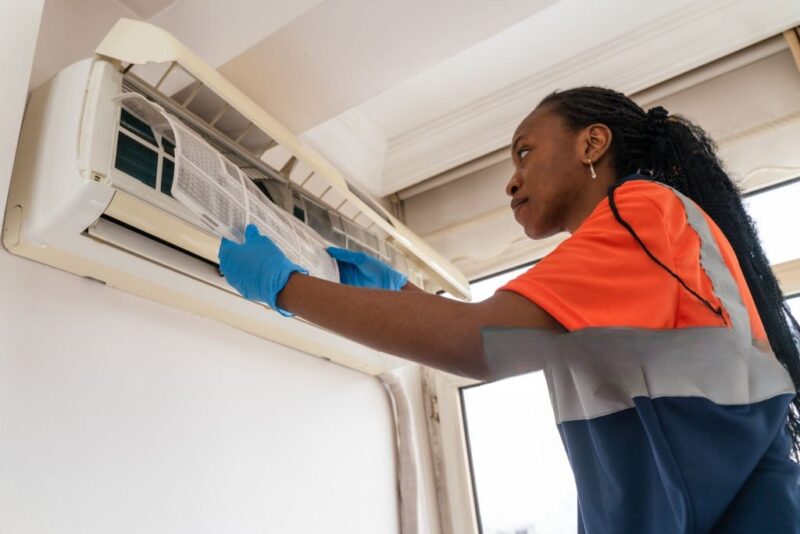
Your HVAC system works hard to keep your home comfortable, especially in Florida, where high temperatures and humidity can make air conditioning a daily necessity for much of the year. Over time, regular use can contribute to dirt buildup, restricted airflow, drainage issues, and wear on system components. Without routine attention, these concerns may affect cooling performance and lead to unexpected repair needs.
That’s where preventive HVAC maintenance comes in. Regular inspections, cleaning, and equipment checks help identify developing problems, support efficient operation, and keep your heating and cooling system in good working condition. But what are the actual benefits of preventive HVAC maintenance, and why does it matter for Florida homeowners? In this guide, we’ll explain seven key benefits, what professional maintenance typically includes, and how a consistent service schedule can help you care for your home’s HVAC system.
7 Key Benefits of Preventive HVAC Maintenance
1. Helps Maintain HVAC System Efficiency
Your HVAC system needs proper airflow and well-maintained components to heat and cool your home efficiently. Over time, dirt can accumulate on coils, air filters can become clogged, and other components may develop issues that affect system operation. When airflow becomes restricted or heat transfer is less effective, your equipment may need to run longer to reach the temperature set on your thermostat.
Routine maintenance helps address these concerns through filter inspections, coil cleaning when needed, and checks of other essential components. A technician can also evaluate system operation to identify conditions that may interfere with performance. While maintenance cannot guarantee lower energy bills, keeping your equipment clean and properly adjusted can help avoid unnecessary energy use. This is particularly important in Florida, where air conditioners often run for much of the year.
2. Reduces the Risk of Unexpected HVAC Breakdowns
An HVAC system may show signs of trouble before it stops working completely. Worn electrical components, loose connections, drainage problems, and unusual operating conditions can develop gradually. Without routine inspections, these issues may go unnoticed until they interfere with heating or cooling.
Preventive maintenance gives a qualified technician an opportunity to inspect your equipment and identify developing concerns. Addressing a problem early may allow you to schedule the necessary repair before it becomes an urgent issue. For example, identifying a condensate drainage problem during a maintenance visit may help prevent a future system shutdown caused by water accumulation. However, even a well-maintained HVAC system can experience unexpected component failures, so routine service cannot eliminate every breakdown risk.
3. Helps Extend the Operating Life of Your HVAC System
Replacing an HVAC system is a significant home expense, so it makes sense to take care of the equipment you already have. Regular maintenance helps keep your heating and cooling components operating according to manufacturer specifications. It also gives technicians an opportunity to identify worn parts, restricted airflow, and other conditions that may contribute to additional equipment stress.
Addressing minor concerns before they develop into more serious problems can help reduce avoidable wear on your system. This is especially valuable in Southwest Florida, where air conditioners may operate for long stretches during the hottest months. Following the manufacturer’s maintenance recommendations and scheduling appropriate professional inspections can support the long-term care of your equipment. Although maintenance cannot guarantee a particular system lifespan, it is an important part of protecting your HVAC investment.
4. Supports More Consistent Indoor Comfort
If certain rooms in your home feel warmer or cooler than others, your HVAC system may not be distributing conditioned air as effectively as it should. Restricted airflow, dirty components, thermostat issues, and other performance concerns can affect how evenly your home is heated or cooled. These problems may become more noticeable during periods of high outdoor temperatures.
During preventive maintenance, a technician can evaluate airflow, thermostat operation, and overall cooling performance. This helps identify potential reasons for inconsistent temperatures and determine whether additional inspection or repairs are needed. Properly maintained equipment can support more consistent indoor comfort, particularly when your air conditioner is working hard to keep your home comfortable through Florida’s hot and humid weather.
5. Helps Maintain Indoor Air Quality and Humidity Control
Your HVAC system plays a role in managing the air circulating throughout your home. Air filters capture airborne particles as air moves through the equipment, while the cooling process also removes some moisture from indoor air. When filters become clogged or system components are not properly maintained, airflow and normal equipment operation may be affected.
Routine maintenance includes checking filters, inspecting relevant components, and evaluating condensate drainage. These tasks are important in Florida, where high humidity makes moisture management a regular concern. A clogged drain line, for example, can cause water to collect around the indoor unit and create additional moisture problems if left unaddressed.
Keep in mind that standard HVAC maintenance is not a complete indoor air quality solution. Homes with specific concerns involving airborne pollutants, persistent humidity, or suspected mold may need dedicated indoor air quality equipment or specialized professional assessment. Still, maintaining your HVAC system properly is a useful part of supporting a comfortable indoor environment.
6. Helps Protect Your HVAC Warranty and Equipment Investment
Your HVAC system is a major investment, and understanding its warranty requirements can help you take better care of it. Some manufacturers specify maintenance recommendations or conditions that homeowners must follow to maintain certain warranty protections. These requirements can vary depending on the equipment, manufacturer, and warranty terms.
Keeping a record of professional maintenance visits, repairs, and other relevant service details can be helpful if a warranty question arises. These records also give technicians useful information about your equipment’s service history and any recurring concerns. Review your manufacturer’s documentation to understand the specific maintenance requirements for your system rather than assuming all HVAC warranties follow the same rules.
Preventive maintenance does not automatically guarantee warranty coverage, but following the applicable requirements and maintaining accurate service records can help you manage your equipment investment more responsibly.
7. Makes HVAC Expenses Easier to Plan For
Unexpected HVAC problems can be difficult to manage, particularly when they happen during the hottest part of the year. Preventive maintenance gives homeowners a scheduled opportunity to have their equipment inspected, discuss its condition, and learn whether any repairs or additional services may be needed.
For example, a technician may identify a worn component or recurring drainage concern during a routine visit. Knowing about the issue gives you time to understand the recommended work and consider your next steps. Without regular inspections, some developing problems may remain unnoticed until they interfere with system operation and require more urgent attention.
Maintenance records can also help you track previous repairs, recurring issues, and the overall condition of your equipment. This information can be useful when planning future service or evaluating whether an aging system may eventually need replacement. Although preventive maintenance cannot eliminate unexpected expenses or guarantee lower repair costs, it can make HVAC care more predictable by helping you stay informed about your system’s needs.
What Does Preventive HVAC Maintenance Include?
Preventive HVAC maintenance involves more than checking whether your air conditioner turns on and cools your home. A professional maintenance visit typically includes inspecting key components, evaluating system operation, and identifying conditions that may affect performance. The technician may also clean specific parts, make appropriate adjustments, or recommend repairs based on the equipment’s condition.
While the exact checklist varies by HVAC system and service requirements, several important areas are commonly evaluated during a maintenance appointment.
Inspecting and Cleaning HVAC Components
Dirt and debris can accumulate on different parts of your HVAC system over time, particularly when the equipment operates frequently. During a maintenance visit, a technician inspects accessible components, including indoor and outdoor coils, blower assemblies, and other parts that affect system performance. If cleaning is needed, the appropriate procedure depends on the component, equipment type, and amount of buildup.
Keeping coils clean is important because they help transfer heat during the cooling process. When dirt accumulates on these surfaces, heat transfer can become less effective, potentially affecting cooling performance. Dust and debris around blower components can also interfere with airflow. A technician can determine which areas need attention and whether additional cleaning is recommended as part of the service.
Checking Electrical Connections and System Controls
Your HVAC system relies on electrical components and controls to operate properly. During preventive maintenance, a technician may inspect electrical connections, test system controls, and evaluate components such as capacitors and contactors, depending on the equipment. These checks help identify loose connections, visible wear, or other conditions that could interfere with normal operation.
Electrical components can deteriorate through regular use, and problems may not always be obvious during everyday operation. A professional inspection helps identify potential concerns before they cause starting issues or interrupt heating and cooling. Because electrical work involves safety risks and specialized knowledge, homeowners should leave electrical inspections, testing, and repairs to qualified HVAC technicians rather than attempting to open equipment panels themselves.
Evaluating Refrigerant and Cooling Performance
Refrigerant plays an essential role in the cooling process by allowing your air conditioner to absorb heat from indoor air and release it outdoors. During a maintenance appointment, a technician can evaluate cooling performance and inspect relevant refrigerant components. When necessary, refrigerant levels and operating pressures are checked using appropriate tools and the manufacturer’s specifications.
Low refrigerant levels may indicate a leak rather than normal consumption, since residential AC systems are designed to circulate refrigerant within a closed system. Simply adding refrigerant without investigating the cause may leave the underlying problem unresolved. A professional evaluation helps determine whether the system is operating as intended or needs further troubleshooting or repair.
Inspecting Condensate Drainage and Moisture Control
As your air conditioner cools indoor air, it also removes moisture. That moisture collects on the evaporator coil and drains into a condensate pan before flowing through a designated drain line. During preventive maintenance, a technician can inspect the drain pan, condensate line, and related safety controls to check for signs of blockage, buildup, or improper drainage.
A clogged condensate line can cause water to accumulate in the drain pan, potentially triggering a safety switch that shuts down the AC system. If drainage problems go unnoticed, water may also leak around the indoor unit and create unwanted moisture in your home. This inspection is particularly important in Florida, where air conditioners remove substantial amounts of moisture during the cooling season. Keeping the drainage system in proper working condition helps manage condensate and reduce the risk of water-related problems.
Testing Thermostat Operation and Airflow
Your thermostat communicates with your HVAC system to regulate indoor temperatures and control heating and cooling cycles. During a maintenance visit, a technician may check its responsiveness, temperature settings, and communication with the equipment. They can also evaluate whether the system starts, runs, and cycles as expected.
Airflow is another important part of the inspection. Restricted airflow can affect how effectively conditioned air reaches different rooms and may contribute to uneven temperatures or longer cooling cycles. A technician can evaluate system airflow and look for potential restrictions. If certain rooms consistently receive less air or feel warmer than others, additional ductwork inspections may be appropriate to check for leaks, obstructions, or other distribution issues.
Regularly evaluating thermostat operation and airflow helps identify conditions that may affect indoor comfort and overall HVAC performance.
Why Preventive HVAC Maintenance Matters More in Florida
Preventive HVAC maintenance is important for homeowners everywhere, but Florida’s climate creates a few additional considerations. In Southwest Florida, air conditioners often operate for much of the year, while high humidity, coastal air, heavy rainfall, and tropical storms can affect equipment condition and performance. These environmental factors make routine inspections and timely maintenance especially valuable.
Understanding how local weather conditions affect your HVAC system can help you prioritize the right maintenance tasks and recognize when professional attention is needed.
Extended Air Conditioning Use Puts More Demands on Your System
Florida homeowners often depend on their air conditioners well beyond the traditional summer season. High temperatures can keep cooling systems running for extended periods, putting consistent demands on components such as compressors, fans, motors, and electrical connections. The more frequently your system operates, the more important it becomes to monitor its condition and address maintenance needs.
Regular filter checks are particularly important because dirty filters can restrict airflow and affect cooling performance. Professional inspections also give technicians an opportunity to evaluate system operation, clean components when needed, and identify signs of wear. Waiting until the hottest months to address a developing problem can leave you dealing with reduced cooling or an unexpected service need when you rely on your AC most.
Consider scheduling preventive maintenance before peak cooling demand begins. A spring inspection, for example, gives you an opportunity to have your system evaluated before temperatures rise and air conditioning use increases.
High Humidity Makes Drainage and Moisture Control Important
Florida’s humidity means your air conditioner does more than lower indoor temperatures. As warm indoor air passes over the evaporator coil, moisture condenses on its surface and collects in the condensate drain pan. From there, it flows through a drain line and is directed away from the indoor equipment.
If the drain line becomes clogged or drainage components stop working properly, water may accumulate around the air handler. This can trigger a safety switch that interrupts cooling or lead to water leaking near the equipment. Homeowners should watch for warning signs such as:
- Standing water or damp areas around the indoor HVAC unit
- Recurring condensate drain clogs
- Visible condensation near equipment or refrigerant lines
- Water stains on nearby walls or ceilings
- Persistent musty odors around the air handler or vents
If you notice recurring drainage problems, water accumulation, or unexplained moisture, contact an HVAC technician to identify the source. Avoid ignoring the issue or relying on repeated surface cleanup without addressing the underlying cause. Proper condensate drainage is an important part of maintaining your HVAC system in a humid climate.
Coastal Conditions Can Contribute to Outdoor Unit Corrosion
Homes near the Gulf Coast may experience greater exposure to salt in the air, along with persistent moisture. Over time, these conditions can contribute to corrosion on outdoor HVAC equipment, including its cabinet, fasteners, and certain metal components. Corrosion may affect the equipment’s appearance and, depending on where it develops, can contribute to deterioration of important parts.
If your home is near the coast, periodically look at your outdoor unit for visible rust, discoloration, damaged panels, or other signs of deterioration. These checks should be visual only. A qualified technician can inspect areas that are not safely accessible and determine whether cleaning, repairs, or protective measures are appropriate.
If cleaning or corrosion protection is recommended, make sure the products and procedures are approved for your specific equipment. Avoid applying harsh chemicals or using a pressure washer on the unit, as these can damage sensitive components and coil fins. Following manufacturer guidance and arranging professional inspections can help you monitor the effects of coastal exposure.
Storms and Heavy Rain Can Affect Outdoor HVAC Equipment
Southwest Florida homeowners are familiar with heavy rainfall, strong winds, and tropical storms that can affect outdoor equipment. Flying debris, fallen branches, flooding, and shifting ground can damage an outdoor AC unit or affect its supporting structure. Even when the system appears to be working after a storm, a visual inspection can help identify problems that need attention.
Once conditions are safe, look at the outdoor equipment from a safe distance and check for:
- Leaves, branches, and other debris around the unit
- Displaced or visibly tilted equipment
- Damaged panels or exposed components
- Accumulated water or signs of flooding
- Visible damage to nearby electrical equipment or connections
If the outdoor unit has been submerged, flooded, or visibly damaged, do not turn it on until a qualified HVAC professional has evaluated it. Never touch wet electrical equipment or attempt to straighten, open, or repair damaged components yourself.
Including post-storm checks in your home maintenance routine can help you identify concerns before they affect system operation. If you notice anything unusual, arrange a professional inspection before resuming normal use.
How Often Should You Schedule Preventive HVAC Maintenance?
The right preventive HVAC maintenance schedule depends on your equipment, how frequently you use it, and the manufacturer’s recommendations. However, many Florida homeowners arrange professional maintenance before the main cooling season and again before using their heating systems regularly. These inspections give technicians an opportunity to evaluate equipment operation, identify developing concerns, and recommend any necessary service.
Because Southwest Florida experiences long periods of warm weather, it is especially important to avoid waiting until your system shows signs of trouble. Planning maintenance around seasonal weather changes can help you stay ahead of routine service needs.
Schedule AC Maintenance Before Florida’s Main Cooling Season
Spring is a practical time to schedule AC maintenance in Florida. As temperatures begin to rise, your air conditioner will likely run more frequently, making it important to check its condition before peak summer demand. An inspection can help identify issues that may affect cooling performance when you need your system most.
During a professional maintenance visit, a technician may evaluate cooling performance, inspect electrical components, check condensate drainage, and examine indoor and outdoor coils. They can also assess airflow and other relevant parts of the system to determine whether cleaning, adjustments, or repairs are needed.
Scheduling early gives you more time to address any concerns before the hottest months arrive. It can also help you avoid competing with other homeowners for service appointments during periods of high cooling demand. Even if your AC appears to be working normally, a seasonal inspection can help you stay informed about its condition.
Check Heating Equipment Before Cooler Weather
Although Florida winters are generally milder than those in northern states, temperatures can still drop enough for homeowners to use their heating systems. If your home relies on a heat pump or another type of heating equipment, arrange an inspection before cooler weather arrives and regular heating use begins.
A technician can test heating operation, evaluate relevant equipment components, and check whether the thermostat switches between heating and cooling modes properly. For heat pumps, this also provides an opportunity to assess how the system operates in heating mode and identify any unusual sounds or performance concerns.
You can also check your thermostat settings before the first cold spell to make sure your preferred heating schedule is configured correctly. If the system produces unusual noises, struggles to maintain the set temperature, or does not switch modes as expected, contact an HVAC professional for an evaluation.
Follow Your Manufacturer’s Maintenance Recommendations
There is no single maintenance schedule that applies to every HVAC system. Recommended service frequency can vary depending on the equipment type, age, operating conditions, and manufacturer requirements. A heat pump, central air conditioner, and ductless mini-split may have different inspection and maintenance needs.
Start by reviewing your owner’s manual and equipment warranty for the manufacturer’s recommended service intervals and maintenance requirements. These documents can also explain which tasks homeowners can perform and which should be handled by a qualified technician.
Systems that operate frequently, experience recurring problems, or serve homes with higher dust levels may need additional attention. Keeping a record of filter changes, maintenance visits, and repairs can also help you track your system’s condition and determine when follow-up service may be appropriate.
For Florida homeowners, scheduling maintenance before the main cooling season and checking heating equipment before cooler weather is a practical approach. However, always use your equipment’s specific requirements and a technician’s recommendations to establish the right schedule for your home.
4 Signs Your HVAC System Needs Professional Attention
1. Your Air Conditioner Is Not Cooling Properly
If your air conditioner runs but your home still feels warm, something may be affecting its cooling performance. You might notice warm air coming from the vents, weak airflow, uneven temperatures between rooms, or cooling cycles that seem longer than usual. These symptoms can have several possible causes, including dirty filters, restricted airflow, refrigerant problems, thermostat issues, or malfunctioning components.
Start by checking accessible items, such as the air filter and thermostat settings, to rule out simple issues. If the filter is clean and the system still struggles to cool your home, arrange a professional inspection. Avoid repeatedly lowering the thermostat to force the air conditioner to cool faster. This will not resolve an underlying equipment problem and may cause the system to run longer than necessary.
2. You Notice Water Leaks or Persistent Moisture
Water around your indoor HVAC unit is another sign that something may be wrong. While air conditioners naturally produce condensation during the cooling process, that moisture should flow through the condensate drainage system and away from the equipment. A clogged drain line, damaged drain pan, or drainage-related issue can cause water to collect around the unit.
Watch for damp flooring, water stains, recurring drain clogs, or persistent moisture near the air handler. Ignoring these signs may allow water to affect nearby surfaces and materials, creating additional moisture concerns. If you notice water accumulating around the indoor unit, turn off the cooling system and contact an HVAC technician to investigate the source. Do not attempt to bypass a safety switch or open the equipment to clear an internal blockage.
3. Your HVAC System Makes Unusual Noises
HVAC equipment makes some noise during normal operation, but new or unusually loud sounds deserve attention. Buzzing, grinding, rattling, and repeated clicking may indicate that a component is loose, worn, or not operating correctly. Depending on the source, the noise could involve electrical components, fan assemblies, motors, or other mechanical parts.
Pay attention to when the sound occurs, such as when the system starts, runs, or shuts down. This information can help a technician narrow down the possible cause during an inspection. If the noise is persistent, becomes louder, or is accompanied by poor cooling performance, arrange professional service. Avoid opening equipment panels or attempting to tighten, adjust, or repair internal components yourself.
4. Your Energy Bills or System Runtime Increase Unexpectedly
An unexplained increase in your electricity bill may be worth investigating, especially if your household habits and thermostat settings have not changed significantly. Your air conditioner may also start running longer than usual without maintaining the temperature you selected. These changes can sometimes point to restricted airflow, equipment problems, thermostat settings, or changes in your home’s cooling demands.
Before scheduling service, check whether the air filter needs replacement and confirm that your thermostat is set correctly. Make sure supply vents and return grilles are not blocked by furniture or other objects. Also consider whether recent weather changes, additional household activity, or increased cooling use could explain the difference.
If your energy use remains unusually high or your system continues running longer without keeping your home comfortable, contact an HVAC professional. A technician can evaluate the equipment, check its operating performance, and determine whether maintenance, troubleshooting, or repairs are needed.
Why Choose Executive Cooling & Heating for Preventive HVAC Maintenance in Punta Gorda?
Preventive HVAC maintenance is an important part of keeping your home comfortable and your heating and cooling equipment in good working condition. Choosing an experienced local HVAC company can help you understand your system’s maintenance needs and address performance concerns as they arise. For homeowners in Punta Gorda and nearby Southwest Florida communities, Executive Cooling & Heating offers residential HVAC services backed by decades of experience serving the region.
Whether you’re scheduling routine AC maintenance, dealing with a cooling problem, or considering a new system, having access to professional HVAC services can help you make informed decisions about your home’s comfort.
Local HVAC Experience Since 1988
Executive Cooling & Heating has served homeowners in Southwest Florida since 1988. With decades of experience in the region, the company understands the demands that local weather conditions can place on residential heating and cooling equipment.
Florida’s heat and humidity often require air conditioners to operate for extended periods, particularly during the summer. These conditions make regular filter changes, condensate drainage inspections, and equipment maintenance important parts of home care. Coastal exposure and seasonal storms can also affect outdoor HVAC equipment, making it useful to have a local company familiar with the area’s climate and service needs.
Residential AC Maintenance, Repair, and Installation Services
Executive Cooling & Heating provides residential HVAC services that include AC maintenance, repair, and installation. Homeowners can turn to the company for routine equipment care, help investigating cooling problems, and professional guidance when an existing system may need replacement.
If your air conditioner is not cooling properly, makes unusual noises, or shows signs of a drainage issue, a professional evaluation can help identify the cause. For systems that need regular upkeep, maintenance visits provide an opportunity to inspect equipment and discuss any recommended service. If replacement becomes necessary, the company also offers AC installation services to help homeowners address their cooling needs.
HVAC Service Throughout Punta Gorda and Nearby Communities
Executive Cooling & Heating serves homeowners in Punta Gorda, Port Charlotte, North Port, Englewood, and surrounding Charlotte County communities. Whether you need preventive maintenance, an AC repair, or help evaluating your current equipment, the company can help you determine which service is appropriate for your home.
Service availability may depend on your specific address, so contact Executive Cooling & Heating to confirm coverage and discuss your HVAC needs. Call (941) 637-9800 to speak with the team about scheduling professional service for your home.
FAQs About Preventive HVAC Maintenance
What Is the Main Benefit of Preventive HVAC Maintenance?
The main benefit of preventive HVAC maintenance is that it helps identify developing equipment issues before they become more disruptive problems. Routine inspections and cleaning also support efficient system operation, proper airflow, and consistent indoor comfort. While maintenance cannot prevent every breakdown, it gives homeowners a better understanding of their HVAC system’s condition and service needs.
Is Preventive HVAC Maintenance Worth It?
Yes, preventive HVAC maintenance can be worthwhile because scheduled inspections help homeowners stay ahead of routine service needs and make informed decisions about potential repairs. A technician can identify developing concerns and recommend appropriate attention based on the equipment’s condition. The value of maintenance depends on factors such as system age, usage, existing condition, and manufacturer service requirements.
How Often Should I Schedule Preventive HVAC Maintenance?
Many homeowners schedule professional HVAC maintenance before Florida’s main cooling season and again before using their heating equipment regularly. This allows a technician to check cooling and heating operation as seasonal needs change. However, the ideal schedule depends on your equipment and usage, so follow the manufacturer’s maintenance recommendations for your specific system.
Can Preventive HVAC Maintenance Lower My Electric Bill?
Preventive HVAC maintenance can support efficient operation, which may help reduce unnecessary energy use. Clean filters, unobstructed airflow, and properly maintained components allow your system to operate under better conditions. However, actual energy savings vary depending on equipment efficiency, home insulation, thermostat settings, weather, and how frequently the system runs. Maintenance does not guarantee a lower electric bill.
Does Preventive Maintenance Help an HVAC System Last Longer?
Routine preventive maintenance helps keep HVAC equipment in proper working condition by addressing dirt buildup, restricted airflow, and developing mechanical or electrical concerns. Identifying and correcting certain issues can also help limit unnecessary strain on system components. Although regular maintenance supports equipment care, it cannot guarantee a particular system lifespan or prevent all component failures.
Does Preventive HVAC Maintenance Improve Indoor Air Quality?
Preventive HVAC maintenance supports indoor air management by keeping filters and relevant system components clean and checking conditions that affect airflow and moisture removal. Replacing filters as recommended can help capture airborne particles before they circulate through the system. However, HVAC maintenance alone does not remove every indoor pollutant or replace dedicated air purification, ventilation, or moisture-control solutions when needed.
Can I Do Preventive HVAC Maintenance Myself?
Homeowners can handle basic maintenance tasks such as checking and replacing air filters according to manufacturer recommendations, keeping supply and return vents clear, and removing accessible debris around the outdoor unit. However, tasks involving refrigerant, electrical components, internal equipment cleaning, or mechanical adjustments should be left to a qualified HVAC technician. Professional service helps ensure these inspections and procedures are performed safely and appropriately.
What Happens During a Preventive HVAC Maintenance Visit?
A preventive HVAC maintenance visit typically includes checking the air filter, inspecting coils and other accessible components, evaluating electrical connections, testing thermostat operation, assessing airflow, and inspecting condensate drainage. A technician may also evaluate cooling or heating performance and identify components that need attention. The exact checklist depends on your HVAC system, manufacturer recommendations, and the scope of the maintenance service.
Keep Your Cool. Leave Your HVAC Maintenance to Us!
Preventive HVAC maintenance is one of the most practical ways to care for your home’s heating and cooling equipment. Routine inspections, timely filter changes, and professional servicing can help maintain efficient operation, support indoor comfort, and identify developing problems before they become more disruptive. In Florida, where air conditioners often run for extended periods, keeping up with maintenance is especially important. Whether you need AC maintenance in Punta Gorda, help with air conditioning repair in Punta Gorda, or guidance on your system’s condition, regular professional attention can help you make informed decisions about your home’s comfort.
At Executive Cooling & Heating as a professional HVAC company in Punta Gorda, we have served Southwest Florida homeowners since 1988. We provide residential HVAC services in Punta Gorda, including AC installation in Punta Gorda, along with Commercial HVAC services in Punta Gorda. We can also help with related comfort needs such as indoor air quality in Punta Gorda and duct work in Punta Gorda. If you’re considering a system upgrade, ask our team about available financing options. Call us at 941-637-9800 or contact us to discuss your HVAC needs and schedule service. We’re here to help you keep your home comfortable through Florida’s changing seasons.