
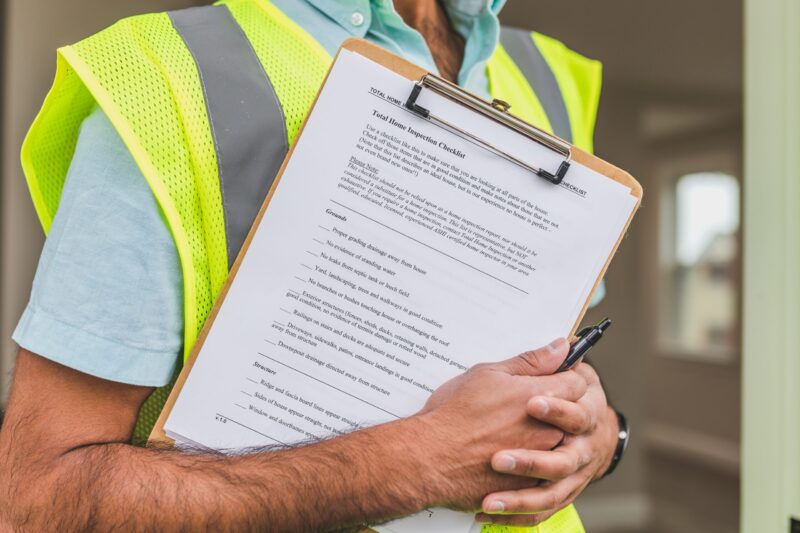
Florida’s heat, humidity, and long cooling season put your HVAC system to work for much of the year. Without regular maintenance, dirty filters, clogged drain lines, restricted airflow, and worn components can affect your system’s performance and indoor comfort. For homeowners in Punta Gorda and throughout Southwest Florida, following a consistent maintenance routine can help catch developing problems early and keep heating and cooling equipment operating as intended.
So, what should be included in a Florida HVAC maintenance checklist? From monthly air filter inspections to seasonal tune-ups and professional equipment checks, there are several steps you can take to care for your system throughout the year. In this guide, we’ll break down the essential monthly, quarterly, and seasonal maintenance tasks, explain which jobs you can handle yourself, and show when it’s time to call an HVAC professional.
Monthly HVAC Maintenance Checklist for Florida Homeowners
Because Florida homeowners often rely on their air conditioners for much of the year, monthly maintenance checks can help catch small issues before they affect your comfort. The good news is that several basic tasks are simple enough to handle yourself without opening equipment cabinets or working with electrical or refrigerant components.
Use this monthly HVAC maintenance checklist to keep an eye on your system’s condition. Always follow the manufacturer’s instructions for filter changes and other equipment-specific maintenance requirements.
Inspect and Replace Your HVAC Air Filter
Your HVAC air filter collects dust, pet hair, and other airborne particles before they enter the system. When the filter becomes clogged, it can restrict airflow and make it harder for your air conditioner to circulate cool air throughout your home.
Check your filter approximately every 30 days, especially during Florida’s extended cooling season. Replace or clean it when needed, following the manufacturer’s recommended schedule. You may need to check it more frequently if you have pets, frequent dust buildup, recent construction or renovation work, or heavy AC use.
Always choose the correct filter size and a type compatible with your HVAC equipment. A filter that does not fit properly or has a rating unsuitable for your system can affect airflow. If you’re unsure which filter to use, check your owner’s manual or ask an HVAC technician for guidance.
Keep Air Vents and Return Grilles Clear
Your HVAC system relies on unobstructed airflow to distribute conditioned air throughout your home. Furniture, curtains, rugs, and other household items can block supply vents or return grilles, making it harder for air to circulate properly.
Once a month, walk through your home and check that all accessible vents and return grilles are clear. Remove obstructions and wipe away visible dust from grille surfaces. Pay particular attention to vents behind furniture or in rooms that do not receive much use.
Avoid closing multiple vents to redirect cooling into other rooms. Your HVAC system is designed to operate with a particular airflow balance, and restricting too many vents can interfere with its operation. If certain rooms consistently feel warmer or cooler than others, have a technician evaluate the airflow rather than trying to correct the problem by closing vents.
Check Your Thermostat Settings and Operation
Your thermostat controls when your HVAC system runs, so incorrect settings or an unresponsive display can affect your home’s comfort. Once a month, confirm that the display is working, the temperature reading seems reasonable, and the system responds when you adjust the settings.
If you use a programmable or smart thermostat, review its schedule to make sure it matches your household’s routine. Check the settings again after a power interruption, since some devices may lose their schedules or reset certain preferences. Smart thermostats may also offer remote temperature adjustments, scheduling, and system alerts that make it easier to monitor your home’s cooling.
A consistent temperature schedule can help you manage cooling demand without making frequent, unnecessary adjustments. However, avoid setting temperatures based on the assumption that your system will cool your home faster at a much lower setting. Your air conditioner generally cools at its normal operating rate regardless of how far below the current temperature you set the thermostat.
Look for Water Around the Indoor HVAC Unit
Air conditioners remove moisture from indoor air as they cool your home. That moisture collects as condensation and normally drains away through a condensate drain line. If the line becomes clogged or drainage is disrupted, water may collect around the indoor air handler or in the drain pan.
Once a month, visually inspect the accessible area around your indoor HVAC unit. Look for standing water, damp flooring, water stains, or signs of recurring moisture near the drain line. Some systems also have an overflow safety switch that shuts down the air conditioner when water reaches a certain level in the drain pan. This helps reduce the risk of water damage.
If you notice accumulating water or your system shuts down unexpectedly, turn off cooling and contact an HVAC technician. Avoid bypassing the safety switch or pouring unfamiliar chemicals into the drain line. A professional can identify the cause of the drainage problem and determine the appropriate way to clear it.
Listen for Unusual HVAC Noises and Notice Changes in Performance
Your air conditioner will naturally make some noise while operating, but sudden or unusual sounds may indicate a developing problem. Once a month, pay attention to how your system sounds and performs during normal operation.
Watch for:
- Buzzing: May indicate an electrical or component issue that needs professional evaluation.
- Grinding: Could point to a problem with a motor or moving component.
- Rattling: May be caused by loose parts, debris, or a component that needs attention.
- Repeated clicking: Could indicate a control or electrical issue, particularly if the system struggles to start or stop normally.
Also notice whether your system takes longer than usual to cool your home, produces weaker airflow, or leaves certain rooms consistently uncomfortable. Changes in cooling performance can have several causes, including restricted airflow, thermostat problems, refrigerant issues, or failing components.
Don’t ignore unusual sounds or persistent performance changes just because the system is still running. If you notice a new noise, repeated starting problems, or a decline in cooling, schedule a professional inspection before the issue becomes more disruptive.
Quarterly HVAC Maintenance Tasks to Add to Your Checklist
In addition to monthly filter and thermostat checks, a few HVAC maintenance tasks deserve attention every three months. These inspections can help you spot visible issues around your equipment, monitor indoor moisture, and keep track of your system’s condition.
As you work through this quarterly HVAC maintenance checklist, stick to areas you can safely access. Avoid opening equipment cabinets, handling refrigerant lines beyond a visual inspection, or attempting repairs. Leave internal cleaning, electrical work, and equipment servicing to a qualified HVAC technician.
Inspect the Outdoor AC Unit for Debris
Your outdoor AC unit needs adequate airflow to release heat from your home. However, leaves, grass clippings, dirt, and overgrown vegetation can collect around the condenser and interfere with its operation.
Every few months, inspect the area around the outdoor unit and remove loose debris from the surrounding space. Trim back vegetation and maintain the clearance recommended by the equipment manufacturer. Also, check whether nearby sprinklers repeatedly spray the unit. Regular exposure to irrigation water can contribute to mineral buildup and corrosion over time.
Avoid opening the unit’s cabinet or attempting to clean its internal coils yourself. Outdoor coil cleaning requires proper techniques to avoid damaging delicate fins and other components. If you notice heavy dirt buildup, restricted airflow, or visible damage, have an HVAC professional inspect the equipment.
Check Accessible Refrigerant Line Insulation
Your air conditioner’s refrigerant lines connect the indoor and outdoor components and help transfer heat during the cooling process. The larger refrigerant line is typically insulated to help limit heat gain and prevent unwanted condensation.
Every few months, visually inspect any accessible sections of refrigerant line insulation. Look for cracks, missing sections, peeling material, or visible deterioration. Damaged insulation may reduce system efficiency and contribute to condensation on the exposed line.
If you notice damaged insulation, arrange a professional inspection to determine the appropriate repair. Do not attempt to disconnect refrigerant lines, adjust fittings, or check refrigerant pressure yourself. Refrigerant levels and possible leaks require specialized equipment and professional evaluation.
Monitor Indoor Humidity and Signs of Excess Moisture
In Florida, managing indoor humidity is just as important as maintaining a comfortable temperature. Your air conditioner removes moisture as it cools your home, but problems with airflow, drainage, equipment sizing, or ductwork can interfere with its ability to manage humidity.
Use a thermostat with humidity monitoring or a separate hygrometer to keep track of indoor moisture levels. An indoor relative humidity range of approximately 30% to 50% is generally recommended, although maintaining levels below 60% is especially important for limiting excess moisture.
Watch for warning signs such as:
- Persistent damp or sticky indoor air, even when the AC is running.
- Condensation on windows, walls, or other indoor surfaces.
- Musty odors around vents, closets, or rooms.
- Recurring moisture near the indoor air handler.
- Rooms that feel humid or uncomfortable despite consistent cooling.
These symptoms can have several causes, including improperly sized equipment, duct leakage, restricted airflow, or condensate drainage problems. If humidity remains high or moisture issues keep returning, schedule an HVAC inspection to identify the underlying cause.
Review Your HVAC Maintenance Records
Keeping track of your HVAC maintenance history makes it easier to monitor your system and prepare for future service appointments. Every few months, review your records and update them with any recent maintenance, repairs, or performance concerns.
Your maintenance log should include:
- Air filter changes: Record the dates you inspected, cleaned, or replaced your filters.
- Professional service visits: Note inspection dates, completed maintenance, and technician recommendations.
- Repairs and equipment issues: Document unusual noises, drainage problems, cooling issues, and completed repairs.
- Equipment information: Keep your system’s model and serial numbers, installation details, and warranty documents.
- Maintenance recommendations: Save any service intervals or equipment-specific instructions provided by your HVAC technician.
Organized records help you recognize recurring problems and give technicians a clearer picture of your system’s history. They can also make it easier to check warranty requirements and determine whether an aging air conditioner may need more frequent repairs or eventual replacement.
Seasonal HVAC Maintenance Checklist for Florida Homes
Although Florida homeowners may run their air conditioners throughout most of the year, each season brings different maintenance considerations. Spring and summer call for extra attention to cooling performance, while fall and winter are good opportunities to check heating operation and prepare for occasional cold weather. Florida’s storm season also makes it important to keep outdoor equipment clear and watch for damage after severe weather.
Use this seasonal HVAC maintenance checklist to prepare your system for changing weather conditions. While you can handle basic visual inspections and filter changes yourself, schedule professional service for internal cleaning, electrical inspections, and equipment adjustments.
Spring HVAC Maintenance Checklist: Prepare for Summer Heat
Spring is an ideal time to prepare your air conditioner before temperatures and cooling demand increase. Scheduling a professional AC tune-up before peak summer heat gives a technician time to identify potential problems while you still have flexibility to arrange repairs.
Add these tasks to your spring maintenance checklist:
- Schedule a professional AC tune-up: Have a qualified technician inspect your system and identify components that may need cleaning, adjustment, or repair.
- Inspect the indoor and outdoor coils: Ask the technician to check for dirt buildup and clean the coils when necessary.
- Check the blower assembly and electrical components: Have the blower, motor, wiring, and electrical connections inspected for proper operation.
- Inspect condensate drainage: Make sure the drain line and drain pan are functioning properly to help prevent water buildup.
- Check airflow and cooling performance: Have the technician evaluate system operation and investigate weak airflow or uneven temperatures.
- Clear the outdoor unit: Remove leaves and loose debris from around the condenser, and trim vegetation according to the manufacturer’s clearance requirements.
- Review thermostat settings: Check your cooling schedule and confirm that the thermostat responds properly.
- Replace dirty air filters: Inspect the filter and replace or clean it as recommended for your equipment.
Completing these tasks before summer can help you address developing issues before your air conditioner faces heavier daily use.
Summer HVAC Maintenance Checklist: Keep Your AC Running During Peak Heat
During summer, your air conditioner may run for extended periods to maintain comfortable indoor temperatures. Regular checks become especially important because restricted airflow, drainage problems, or developing component issues can become more noticeable during periods of high cooling demand.
Follow these summer maintenance tasks:
- Check your air filter regularly: Inspect it at least monthly and replace it when dirty or according to the manufacturer’s recommendations.
- Keep vents and return grilles clear: Make sure furniture, curtains, and household items do not obstruct airflow.
- Monitor condensate drainage: Look around the indoor unit for water accumulation, staining, or signs of a clogged drain.
- Watch for changes in cooling performance: Pay attention to unusually long cooling cycles, weak airflow, or rooms that remain warmer than others.
- Listen for unusual noises: Buzzing, grinding, rattling, or repeated clicking may indicate a problem that needs professional attention.
- Keep the outdoor unit clear: Remove loose grass clippings, leaves, and debris from the surrounding area.
- Address problems early: Schedule an inspection when you notice changes in system operation rather than waiting for the air conditioner to stop working.
If your AC struggles to cool your home during the hottest months, avoid repeatedly lowering the thermostat in an attempt to force it to work harder. A professional inspection can help determine whether the issue involves airflow, refrigerant, equipment performance, or another underlying problem.
Fall HVAC Maintenance Checklist: Inspect Your Heating System
Fall is a good time to prepare your HVAC system for cooler temperatures, even though Florida winters are generally milder than those in colder regions. Homeowners with heat pumps or central heating systems should make sure their equipment can switch to heating mode and operate properly when needed.
Add these tasks to your fall checklist:
- Schedule a professional heating inspection: Have a technician evaluate your heating equipment before the first extended period of cooler weather.
- Test heating operation: Follow the manufacturer’s instructions for switching your thermostat to heating mode and checking that the system responds.
- Check heat pump operation: If your home uses a heat pump, have the technician inspect its heating and cooling functions.
- Review thermostat settings: Confirm that heating schedules and temperature settings are appropriate for your household.
- Inspect accessible duct insulation: Look for visible damage, gaps, or deteriorating insulation around accessible ductwork.
- Replace dirty filters: Check the filter and clean or replace it as needed to maintain proper airflow.
- Clear outdoor equipment: Remove accumulated leaves and vegetation around the outdoor unit.
If your system makes unusual noises, struggles to produce warm air, or switches modes inconsistently, have it checked before you depend on it during colder weather.
Winter HVAC Maintenance Checklist: Protect Your System During Cooler Weather
Florida’s winter temperatures can vary, so homeowners may switch between heating and cooling depending on the weather. Your HVAC system may not run as consistently as it does during summer, but it still needs attention to remain ready for changing conditions.
Use this winter checklist to keep your equipment in good condition:
- Review thermostat settings: Adjust your heating or cooling schedule as needed to match changing outdoor temperatures and household routines.
- Keep the outdoor unit clear: Check for leaves, branches, and other debris that may collect around the equipment.
- Monitor system operation: Pay attention when switching between heating and cooling modes, and note any unusual sounds or performance changes.
- Continue checking air filters: Reduced cooling demand does not mean filters can be ignored. Inspect them regularly and replace them when necessary.
- Avoid unnecessary equipment adjustments: Follow the manufacturer’s operating instructions rather than frequently changing system settings or adjusting internal components.
- Watch for moisture problems: Check accessible areas around the indoor unit for standing water or signs of condensate drainage issues.
- Plan ahead for spring maintenance: Arrange your next professional AC inspection before summer cooling demand increases.
Winter is also a convenient time to review your maintenance records, check equipment warranties, and discuss any recurring issues with an HVAC professional. Taking care of these details before spring can help you prepare for another long Florida cooling season.
Florida-Specific HVAC Maintenance Tips for Humidity, Storms, and Coastal Conditions
HVAC maintenance in Southwest Florida involves more than changing air filters and scheduling routine tune-ups. High humidity, coastal air, heavy rainfall, and tropical storms can all affect your home’s cooling equipment and overall comfort. These conditions make it important to pay attention to condensate drainage, outdoor unit condition, storm preparation, and the insulation and ductwork that support your HVAC system.
As part of your Florida HVAC maintenance routine, perform regular visual checks around accessible equipment and watch for changes in indoor comfort. Leave electrical inspections, refrigerant work, internal cleaning, and equipment repairs to a qualified HVAC professional.
Keep Your HVAC System’s Condensate Drainage Clear
Your air conditioner does more than cool your home. As warm indoor air passes over the evaporator coil, moisture condenses and collects in a drain pan before flowing outside through the condensate drain line. In Florida, where air conditioners remove significant amounts of moisture during extended cooling periods, proper drainage is especially important.
A clogged or restricted drain line can cause water to back up into the drain pan and potentially overflow near your indoor air handler. Some systems also have a float switch that detects rising water levels and shuts down the air conditioner to help prevent water damage.
Watch for these warning signs:
- Water pooling around the indoor air handler.
- Damp flooring or water stains near the equipment.
- Recurring condensate drain clogs.
- An air conditioner that suddenly stops running because an overflow safety switch has activated.
- Musty odors or persistent moisture near the drain area.
You can visually inspect accessible areas around the air handler and look for signs of water accumulation. If you notice recurring clogs, standing water, or repeated system shutdowns, contact an HVAC technician. A professional can inspect the drain line, drain pan, and safety switch to identify the cause and restore proper drainage.
Watch for Corrosion on Outdoor AC Equipment
Homes in coastal areas of Southwest Florida may have greater exposure to salt in the air. Over time, salt deposits and moisture can contribute to corrosion on exposed metal components of outdoor air conditioning equipment. Corrosion may affect the cabinet, fasteners, electrical connections, and other components if left unaddressed.
Every few months, visually inspect your outdoor AC unit from a safe distance. Look for unusual rust, deteriorating metal, damaged cabinet panels, or visible buildup on accessible exterior surfaces. If your property is close to the coast, ask your HVAC technician whether additional cleaning or manufacturer-approved corrosion protection is appropriate for your equipment.
Avoid spraying the unit with harsh chemicals or using a pressure washer to remove salt and dirt. These methods can damage the cabinet, electrical components, and delicate condenser coil fins. Have a qualified technician determine the appropriate cleaning method and inspect any visible signs of corrosion that may affect system operation.
Prepare Your Outdoor HVAC Unit Before Hurricane Season
Florida’s hurricane season brings heavy rain, strong winds, and flying debris that can damage outdoor HVAC equipment. Preparing the area around your condenser before severe weather arrives can help reduce some avoidable risks.
Add these precautions to your storm preparation checklist:
- Remove loose objects: Clear patio furniture, garden tools, decorations, branches, and other items that could become airborne during strong winds.
- Clear surrounding vegetation: Trim nearby plants and remove loose leaves and debris without disturbing the equipment.
- Check the equipment’s condition: Look for visible damage, loose panels, or signs of deterioration before storm season.
- Schedule a professional inspection: Ask a technician to assess the equipment’s mounting, supports, and other installation-related concerns.
- Review manufacturer guidance: Follow the equipment manufacturer’s recommendations for storm preparation and protection.
Do not cover the outdoor unit with plastic or other materials unless the manufacturer specifically recommends an approved method for your situation. Covers can restrict airflow, trap moisture, or cause damage if they are not designed for the equipment. Avoid attempting to secure the unit with improvised straps or fasteners. If additional protection or mounting work is needed, have a qualified professional evaluate the appropriate solution.
Inspect Your HVAC System After a Tropical Storm or Flooding
Even if your outdoor AC unit appears undamaged after a tropical storm, it is worth checking the surrounding area before returning to normal operation. Heavy rainfall, flooding, and windblown debris can affect outdoor equipment, electrical components, refrigerant lines, and drainage systems.
From a safe distance, look for:
- Branches, leaves, or other debris lodged around the outdoor unit.
- Displaced equipment or visibly damaged mounting supports.
- Bent or damaged cabinet panels and exposed components.
- Water accumulation around the indoor or outdoor equipment.
- Damaged refrigerant line insulation or visibly displaced connections.
If your HVAC equipment has been flooded, submerged, or visibly damaged, do not attempt to turn it on. Water exposure can affect electrical components and create safety hazards even when the damage is not immediately obvious. Never touch wet electrical equipment or attempt to restart a system that may have been exposed to floodwater.
Contact an HVAC professional to inspect the equipment before operating it again. The technician can assess the condition of affected components, check electrical safety, and determine whether cleaning, repairs, or replacement are necessary. If your home experienced significant flooding, make sure any related electrical hazards have also been addressed before HVAC service begins.
Pay Attention to Attic Insulation and Ductwork
Your air conditioner is only one part of your home’s cooling system. Attic insulation and ductwork also influence how effectively conditioned air reaches your living spaces and how much heat enters your home.
In Southwest Florida, attic temperatures can become significantly higher than indoor temperatures during summer. Inadequate insulation may allow more heat to transfer into your living areas, making your HVAC system work harder to maintain comfortable temperatures. Leaky or poorly insulated ducts can also allow cooled air to escape into the attic before reaching the rooms where it is needed.
As part of your home maintenance routine, watch for signs that your insulation or ductwork may need attention:
- Certain rooms remain warmer than others despite normal AC operation.
- Cooling takes longer than usual to reach the thermostat setting.
- Energy bills increase without an obvious change in household usage.
- You notice visible gaps, damaged insulation, or disconnected duct sections in accessible areas.
- Airflow from certain vents seems consistently weaker than from others.
If you notice these issues, consider having your ductwork and attic insulation professionally evaluated. A technician can check for duct leaks, airflow restrictions, and insulation problems that may affect cooling performance. Addressing these concerns alongside regular HVAC maintenance can help your system deliver conditioned air more effectively and support consistent indoor comfort.
5 Common HVAC Maintenance Mistakes Florida Homeowners Should Avoid
1. Waiting Too Long to Replace a Dirty Air Filter
One of the most common HVAC maintenance mistakes is forgetting to inspect or replace the air filter. Over time, filters collect dust, pet hair, and other airborne particles. When too much debris builds up, airflow through the system can become restricted, making it harder for your air conditioner to circulate cool air throughout your home.
A clogged filter may also contribute to reduced cooling performance and unnecessary strain on system components. This is especially important in Florida, where air conditioners often operate for extended periods.
Rather than waiting for a specific replacement date, inspect your filter approximately every 30 days and replace or clean it according to its condition and the manufacturer’s recommendations. Homes with pets, frequent dust, or ongoing renovation work may require more frequent attention. Using the correct filter size and type also helps maintain the airflow your equipment needs.
2. Ignoring Small Water Leaks and Musty Odors
A small amount of water near your indoor air handler or a persistent musty smell around your vents may seem easy to overlook. However, these signs can indicate condensate drainage problems, excess moisture, or another issue that needs attention.
Your air conditioner naturally produces condensation as it removes moisture from indoor air. If the drain line becomes clogged or the drain pan does not function properly, water can accumulate around the equipment. Persistent moisture may also contribute to musty odors and create conditions that encourage microbial growth.
Do not simply wipe away the water or use air fresheners to mask unpleasant smells. Check for visible moisture around accessible areas, and contact an HVAC professional if the problem returns or you notice standing water. A technician can inspect the drainage system and investigate the source of the odor rather than treating only the visible symptoms.
3. Closing Too Many Air Vents to Redirect Cooling
If one room feels warmer than the rest of your home, closing vents in other rooms may seem like an easy way to redirect cool air. However, closing too many supply vents can disrupt the airflow balance your HVAC system was designed to maintain.
Restricted airflow may contribute to pressure imbalances, reduced system performance, and other operating problems. It also does not necessarily send more conditioned air to the rooms that need it.
Instead of closing multiple vents, keep supply registers and return grilles unobstructed. If certain rooms consistently feel warmer or cooler than others, have an HVAC technician evaluate the system’s airflow. The issue may involve duct leaks, insulation problems, equipment sizing, or an imbalance that requires professional adjustment.
4. Attempting DIY Refrigerant or Electrical Repairs
Not every HVAC maintenance task is suitable for homeowners. While changing filters and clearing loose debris around the outdoor unit are generally manageable, refrigerant handling and electrical repairs require specialized training, tools, and safety precautions.
Refrigerant problems, for example, cannot be resolved by simply adding more refrigerant. Low levels may indicate a leak that needs to be identified and repaired. Electrical components such as capacitors, contactors, and wiring can also present shock or fire hazards if handled incorrectly.
Avoid opening equipment cabinets, adjusting refrigerant connections, or attempting electrical repairs yourself. If your air conditioner struggles to start, makes unusual noises, or shows signs of an electrical problem, turn it off if you suspect a safety issue and contact a qualified HVAC technician. Professional diagnosis helps address the underlying problem without creating additional equipment damage or safety risks.
5. Skipping Professional HVAC Tune-Ups
Replacing filters, checking thermostat settings, and keeping vents clear are important parts of routine maintenance, but they do not replace a professional HVAC inspection. Some developing problems occur inside the equipment or involve components that homeowners cannot safely access.
During a professional tune-up, a technician can inspect the indoor and outdoor coils, blower assembly, electrical connections, refrigerant system, condensate drainage, and overall equipment performance. The technician can also identify signs of wear, restricted airflow, or other issues that may not be obvious during everyday use.
Skipping routine service can allow dirt buildup, drainage problems, and developing component issues to go unnoticed. Following the manufacturer’s maintenance recommendations and scheduling periodic professional inspections can help you stay ahead of potential problems, particularly during Florida’s long cooling season.
Why Choose Executive Cooling & Heating for HVAC Maintenance in Punta Gorda?
Keeping your HVAC system in good condition takes more than occasional filter changes. Regular inspections and professional maintenance can help identify developing issues, assess cooling performance, and keep your equipment operating as intended. For homeowners in Punta Gorda and nearby Southwest Florida communities, Executive Cooling & Heating provides residential HVAC services backed by experience serving the region since 1988.
The company offers AC maintenance, repair, and installation services, along with recommendations based on your system’s condition and needs. Whether you’re arranging routine maintenance or addressing a cooling issue, working with an established local HVAC company gives you a place to turn for ongoing service.
Local HVAC Experience Since 1988
Executive Cooling & Heating has served homeowners in Southwest Florida since 1988. That local experience matters in a region where high temperatures, humidity, and an extended cooling season place consistent demands on residential air conditioning systems.
HVAC equipment in Punta Gorda needs to handle more than occasional hot days. Air conditioners often operate for long periods, while moisture in the air can make condensate drainage and indoor humidity important maintenance considerations. Understanding these local conditions helps HVAC professionals evaluate equipment with the area’s climate and homeowners’ cooling needs in mind.
Residential AC Maintenance, Repair, and Installation Services
Routine AC maintenance is an important part of caring for your home’s cooling system, but it isn’t the only service you may need over the years. Executive Cooling & Heating provides residential HVAC services that include AC maintenance, repairs, and installation. Having access to these services can help homeowners address routine upkeep, investigate performance problems, and consider replacement when an older system no longer meets their needs.
During a service visit, the appropriate recommendations depend on the equipment’s condition and the issue being addressed. A technician can evaluate the system and explain any maintenance or repair needs rather than assuming that every concern requires a replacement.
HVAC Service Throughout Punta Gorda and Nearby Communities
Executive Cooling & Heating serves homeowners in Punta Gorda, Port Charlotte, North Port, Englewood, and surrounding Charlotte County communities. Whether you need routine AC maintenance or help addressing a cooling problem, the company can help you determine which service is appropriate for your equipment.
FAQs About HVAC Maintenance in Florida
How Often Should HVAC Systems Be Serviced in Florida?
Many Florida homeowners schedule professional HVAC maintenance twice a year: once before the main cooling season and again before using their heating system regularly. The exact schedule depends on your equipment, how often you use it, and the manufacturer’s maintenance recommendations. Because air conditioners often run for extended periods in Florida, routine inspections can help identify developing issues before they affect comfort.
How Often Should I Change My AC Filter in Florida?
Check your AC filter at least once a month, especially during periods of heavy use. Replace disposable filters or clean reusable ones according to their condition and the manufacturer’s instructions. Homes with pets, renovation dust, or higher indoor dust levels may need more frequent filter changes. Always use the correct filter size and type for your equipment.
Should I Turn Off My AC When I Leave Florida for an Extended Period?
Completely turning off your air conditioner while you’re away can allow indoor humidity to rise, particularly during Florida’s warm and humid months. Excess moisture may contribute to condensation, musty odors, and other indoor moisture concerns. Instead of switching the system off entirely, discuss an appropriate thermostat setting and humidity monitoring plan with an HVAC professional. This is especially important for seasonal homes or properties that will remain vacant for several weeks or months.
Does HVAC Maintenance Help Reduce Energy Bills?
Proper HVAC maintenance can support efficient system operation. Clean filters, unobstructed airflow, and properly maintained components help your equipment operate without avoidable restrictions. However, maintenance does not guarantee a specific reduction in energy costs. Actual energy use also depends on your system’s age and condition, home insulation, ductwork, thermostat settings, and how often you run the equipment.
Is HVAC Maintenance Different for Homes Near the Coast?
Homes near the coast may need additional attention because salt in the air and moisture can contribute to corrosion on outdoor HVAC equipment. Homeowners should periodically check for visible signs of rust or deterioration and keep the area around the outdoor unit clear. A qualified technician can inspect the equipment and recommend appropriate cleaning or protective measures based on the manufacturer’s guidance and the unit’s condition.
What Happens If I Skip Annual HVAC Maintenance?
Skipping routine maintenance can allow dirty filters, restricted airflow, clogged condensate drains, and developing component issues to go unnoticed. These problems may affect cooling performance or lead to more extensive service needs if left unaddressed. Missing one maintenance appointment does not automatically mean your system will break down, but consistently neglecting inspections makes it harder to identify concerns early.
Can I Perform HVAC Maintenance Myself?
Yes. Homeowners can handle several basic maintenance tasks, including checking and replacing air filters, keeping supply and return vents clear, removing accessible debris around the outdoor unit, and watching for unusual noises or water around the indoor equipment.
Other tasks should be left to a qualified HVAC technician. These include refrigerant checks, electrical inspections, internal coil and blower cleaning, and repairs involving internal components. Avoid opening equipment cabinets or attempting repairs that require specialized tools and training.
How Much Does HVAC Maintenance Cost in Punta Gorda?
The cost of HVAC maintenance in Punta Gorda varies depending on your system type, equipment condition, and the services included in the appointment. Additional cleaning, troubleshooting, or repairs may affect the total cost. The best way to understand what your system needs is to request a professional estimate and ask what the maintenance visit covers. Contact Executive Cooling & Heating at (941) 637-9800 to discuss your home’s HVAC maintenance needs.
Make Your Next HVAC Move a Cool One. Call us today.
Keeping up with regular HVAC maintenance is an important part of staying comfortable through Florida’s long cooling season. From monthly filter checks to seasonal inspections, a consistent maintenance routine can help you spot potential problems and keep your equipment in good working condition. Whether you need AC maintenance in Punta Gorda, air conditioning repair in Punta Gorda, or a new system through professional AC installation in Punta Gorda, having a qualified HVAC company assess your equipment can help you make informed decisions about its care. Other home comfort needs, including indoor air quality in Punta Gorda and duct work in Punta Gorda, may also be worth considering when evaluating your home’s overall comfort and energy use.
At Executive Cooling & Heating as a leading HVAC company in Punta Gorda, we’ve served Punta Gorda and surrounding Southwest Florida communities since 1988. We provide residential HVAC services in Punta Gorda and commercial HVAC services in Punta Gorda, with recommendations based on your equipment and specific needs. If you’re planning an HVAC tune-up, dealing with a cooling issue, or considering a system upgrade, we’re here to help you understand your options, including available financing options. Call us at 941-637-9800 or contact us to schedule service and keep your home or business ready for Florida’s changing weather.