
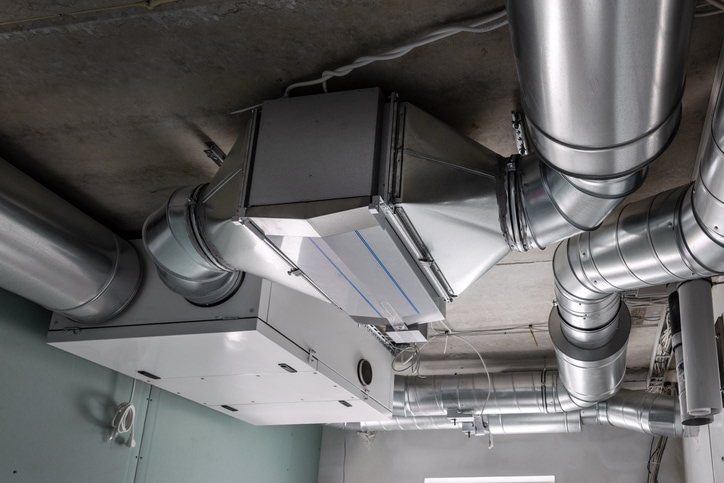
Your AC may be running, but that does not mean all the cool air is reaching your rooms. Damaged AC ducts can allow conditioned air to escape before it reaches your vents, potentially contributing to weak airflow, uneven temperatures, longer cooling cycles, and higher energy bills.
Because much of your air conditioning duct system is hidden in attics, ceilings, or other hard-to-see areas, duct damage can easily go unnoticed. Knowing the warning signs can help you catch problems before they worsen. In this guide, we’ll explain what causes damage to AC ducts, how damaged ductwork affects your cooling system, and when professional AC duct repair may be necessary.
What Are AC Ducts and Why Are They Important?
AC ducts are the pathways that carry conditioned air between your HVAC equipment and the rooms throughout your home. When the ductwork is properly designed, sealed, and maintained, it helps your air conditioner distribute cooled air efficiently and maintain more consistent indoor temperatures.
How AC Ducts Distribute Conditioned Air
Your HVAC system uses a blower to move cooled air through the supply air conditioning ducts and into different rooms through vents or registers. Return ducts pull indoor air back toward the HVAC equipment, where it can be filtered and conditioned again.
This continuous circulation depends on properly sized and connected ductwork. Leaks, restrictions, or disconnected sections can interfere with airflow and prevent conditioned air from reaching its intended destination.
How Damaged Air Conditioning Ducts Affect Your HVAC System
Holes, tears, loose connections, crushed sections, and other damage to AC ducts can allow conditioned air to escape into attics or other unconditioned spaces. Depending on where leaks occur, damaged ductwork may also draw unwanted air, dust, or debris into the system.
These problems can contribute to weak airflow, uneven cooling, longer AC cycles, and unnecessary energy loss. If duct damage is significant, your air conditioner may need to work longer to maintain the thermostat setting.
Why Sealed and Insulated Ductwork Matters
Properly sealed ductwork helps keep conditioned air inside the distribution system until it reaches your rooms. Insulation is also important, particularly when AC ducts travel through hot spaces such as Florida attics, because it helps limit heat gain before cooled air reaches the living area.
Damaged seals or insulation can reduce ductwork performance and affect overall home comfort. Professional air conditioning duct repair can address leaks, loose connections, damaged sections, and other problems that interfere with proper air distribution.
8 Common Signs of Damaged AC Ducts
1. Unexplained Increases in Cooling Bills
A sudden increase in energy costs without a major change in your cooling habits can point to an HVAC efficiency problem. If your AC ducts have leaks or disconnected sections, conditioned air may escape before reaching your living spaces.
Your air conditioner may then run longer to maintain the thermostat setting, potentially increasing energy consumption. While higher bills can have several causes, damaged ductwork is one possibility worth investigating.
2. Weak Airflow From Your Vents
If the airflow from one or more vents feels weaker than usual, damaged ductwork may be responsible. Holes, loose connections, crushed flexible ducts, or other restrictions can reduce the amount of conditioned air reaching a room.
Weak airflow can also result from filters, blower problems, or other HVAC issues, so a professional inspection can help determine the actual cause.
3. Uneven Temperatures Throughout Your Home
One room that stays warmer than the rest of your home may indicate a problem with the ductwork serving that area. A disconnected, leaking, or damaged air conditioning duct can prevent enough cooled air from reaching the space.
If uneven cooling is new or becoming more noticeable, inspecting the duct system can help identify whether air loss is contributing to the problem.
4. Whistling, Rattling, or Other Ductwork Noises
Your ductwork may make occasional sounds as the HVAC system starts and stops, but persistent whistling, rattling, banging, or fluttering deserves attention.
Whistling can sometimes indicate air escaping through gaps or small openings, while rattling may point to loose connections or poorly secured duct sections. Unusual noises are a good reason to have the system inspected for possible AC duct repair.
5. Excessive Dust Around Your Home
An unusual amount of dust around vents, furniture, and other surfaces may indicate that leaks in return ductwork are pulling dust or debris from unconditioned areas into the HVAC system.
Damaged ducts are not the only possible cause of excessive dust, but inspecting the ductwork, filtration, and HVAC system can help identify where the problem is coming from.
6. Musty or Unusual Odors From the Vents
Persistent musty or unusual smells when your AC operates can sometimes point to moisture, debris, or other problems within or around the duct system.
Odors can have many possible sources, including the HVAC equipment itself, so they should not automatically be blamed on damaged ducts. If the smell continues, a professional can inspect the system and determine whether ductwork or another component needs attention.
7. Visible Tears, Holes, or Disconnected AC Ducts
If you can safely see accessible ductwork, look for obvious signs of damage such as holes, tears, crushed sections, missing insulation, loose joints, or ducts that have completely disconnected.
These problems can allow conditioned air to escape into an attic or other unconditioned space. Visible damage is a strong indication that professional air conditioning duct repair may be necessary.
8. Your AC Runs Longer Than Usual
If your air conditioner suddenly takes longer to cool your home, leaking AC ducts could be part of the problem. Losing conditioned air before it reaches your rooms can make it harder for the system to reach the thermostat setting.
Long cooling cycles can also result from dirty coils, refrigerant problems, poor insulation, or aging equipment. If extended runtime occurs alongside weak airflow, uneven temperatures, or visible duct damage, have your ductwork professionally inspected.
What Causes Damage to AC Ducts?
AC ducts can become damaged for many reasons, from normal aging to installation problems and moisture exposure. Because much of the ductwork is hidden in attics, ceilings, or other hard-to-access areas, damage may develop for months before homeowners notice changes in airflow or comfort. Understanding the common causes can help you know when AC duct repair may be necessary.
Aging and Normal Ductwork Wear
Like other parts of an HVAC system, air conditioning ducts can deteriorate over time. Seals may weaken, insulation can break down, and flexible duct materials may develop tears or become brittle.
Older ductwork may also be more vulnerable to leaks and loose connections. Periodic inspections can help identify aging sections before air loss becomes more significant.
Poor AC Duct Installation
Ductwork that was improperly installed may develop problems earlier than expected. Poorly fitted connections, excessive bends, compressed flexible ducts, inadequate sealing, and incorrect sizing can all affect airflow and place unnecessary stress on the system.
Professional installation helps ensure that each air conditioning duct is properly connected, supported, and positioned for effective air distribution.
Pests and Rodent Damage
Rodents and other pests can damage flexible ductwork and insulation by chewing, scratching, or nesting around the material. Even small holes can allow conditioned air to escape and unwanted dust or debris to enter the duct system.
If you suspect pest activity, the infestation should be addressed along with any resulting duct damage.
Accidental Physical Damage
Ductwork located in attics, garages, or storage areas can be accidentally crushed, punctured, or disconnected. Home renovations, electrical work, plumbing repairs, or simply moving items through an attic can damage AC ducts.
Avoid stepping on, leaning against, or placing heavy objects on exposed ductwork. If damage occurs, have the affected section inspected rather than trying to reshape or patch it without knowing the extent of the problem.
Excess Moisture and Condensation
Florida’s humid climate can make moisture control particularly important. Condensation may develop when cold duct surfaces are exposed to warm, humid air, especially if insulation is damaged, missing, or improperly installed.
Persistent moisture can deteriorate insulation and other duct materials over time. Addressing both the moisture source and the damaged ductwork is important for preventing the problem from returning.
Failed Seals and Loose Duct Connections
Duct sections are joined together at multiple points throughout the HVAC system. Over time, seals can deteriorate and connections may loosen, allowing conditioned air to leak into unconditioned spaces.
Professional air conditioning duct repair may involve resealing joints, securing connections, or replacing damaged materials to restore a more airtight distribution system.
Poorly Supported or Sagging Flexible Ducts
Flexible AC ducts need proper support to maintain their shape and allow air to move efficiently. When supports are spaced incorrectly or fail over time, the ductwork can sag, kink, or become compressed.
Severe sagging can restrict airflow and place stress on connections, potentially leading to additional damage. Correcting the support and positioning of flexible ductwork can help restore proper airflow and prevent further deterioration.
How Damaged Air Conditioning Ducts Affect Your AC System
Your air conditioning ducts are responsible for carrying conditioned air between your HVAC equipment and the rooms in your home. When ductwork develops leaks, holes, loose connections, or restrictions, that air may not move through the system as intended. As a result, damaged AC ducts can affect comfort, energy use, airflow, and overall cooling performance.
Conditioned Air Escapes Before Reaching Your Rooms
Leaks and disconnected sections can allow cooled air to escape into attics, wall cavities, or other unconditioned areas instead of reaching your living spaces. Even if the air conditioner itself is working properly, damaged ductwork can prevent your home from receiving the full benefit of the conditioned air it produces.
Depending on the location of the leak, you may notice weak airflow or rooms that remain warmer than others.
Your AC May Run Longer to Maintain the Temperature
When conditioned air is lost through damaged AC ducts, your home may take longer to reach the thermostat setting. The air conditioner may respond by running longer or cycling more frequently in an attempt to maintain the desired temperature.
Longer operation can increase energy consumption and may indicate that your HVAC system needs to be inspected for duct leaks or other performance problems.
Damaged Ductwork Can Reduce HVAC Efficiency
An HVAC system is designed to move a certain amount of conditioned air through its duct network. Leaks, crushed ducts, poor connections, and other damage can interfere with that process.
When cooled air is lost or airflow is restricted, some of the energy used to condition the air does not contribute effectively to cooling your living spaces. Professional air conditioning duct repair can address these problems and help restore more effective air distribution.
Airflow Problems Can Put Additional Strain on Your AC
Restricted or leaking ductwork can change how air moves through your HVAC system. Depending on the type and location of the damage, the system may experience reduced airflow or pressure imbalances that affect normal operation.
Over time, these conditions can make your AC work harder than necessary and contribute to unnecessary wear on certain components. If you notice weak airflow, uneven cooling, or unusually long run times, a professional AC duct repair inspection can determine whether damaged ductwork is contributing to the problem.
How Damaged AC Ducts Can Affect Indoor Air Quality
Your AC ducts do more than distribute cooled air throughout your home. They are also part of the airflow pathway your HVAC system relies on to circulate and filter indoor air. When ductwork develops leaks, gaps, or moisture problems, contaminants from surrounding spaces may enter the air distribution system and affect indoor air quality.
Leaky Ducts Can Pull In Dust and Debris
Leaks in return air conditioning ducts can potentially draw dust, insulation particles, and other debris from surrounding areas into the HVAC system. Those particles may then circulate through your home along with conditioned air.
If you notice unusually heavy dust around vents or surfaces, damaged ductwork may be one possible cause. Filters, housekeeping conditions, and other indoor sources can also contribute, so a professional inspection can help identify the source.
Ductwork in Attics and Crawl Spaces
Ductwork often passes through unconditioned areas such as attics and crawl spaces. These locations can contain dust, insulation fibers, pest debris, and other particles you do not want entering the HVAC airflow.
Holes, disconnected joints, or failed seals can create pathways between these spaces and the duct system. Keeping AC ducts properly sealed helps separate conditioned airflow from surrounding unconditioned areas.
Moisture Problems Inside Air Conditioning Ducts
Florida’s warm, humid conditions can make moisture management especially important. Damaged insulation, air leaks, or condensation on cold duct surfaces can introduce unwanted moisture around or inside air conditioning ducts.
Persistent moisture can contribute to musty odors and create conditions that support microbial growth. If you notice recurring condensation, visible moisture, or unusual odors, the source should be identified and corrected rather than simply covering the damaged area.
Why Duct Sealing Can Help Control Unfiltered Air
Proper duct sealing helps keep conditioned air inside supply ducts and reduces opportunities for unwanted air to enter through leaks in return ductwork. Professional AC duct repair may include sealing joints, reconnecting loose sections, repairing damaged materials, or addressing insulation problems.
Duct sealing cannot eliminate every source of indoor pollutants, but maintaining a well-sealed duct system can help control unwanted air infiltration and support cleaner, more consistent air distribution throughout your home.
How to Check Your AC Ducts for Damage
Because much of your AC duct system is hidden behind walls, ceilings, or in attic spaces, finding damage is not always easy. However, you can watch for visible problems and changes in airflow that may indicate your air conditioning ducts need attention. Avoid entering unsafe or difficult-to-access areas just to inspect ductwork.
Look for Visible Holes, Tears, and Loose Connections
If sections of your ductwork are safely accessible, visually inspect them for obvious damage. Look for holes, tears, gaps at joints, damaged insulation, or sections that have pulled apart.
Even relatively small openings can allow conditioned air to escape. Loose or disconnected sections are strong signs that professional AC duct repair may be needed.
Check for Crushed or Sagging Flexible Ductwork
Flexible ducts should maintain a relatively smooth path that allows air to move freely. Ductwork that is severely compressed, kinked, or sagging can restrict airflow and reduce the amount of conditioned air reaching your rooms.
Do not step on, move, or attempt to reshape ductwork in a cramped attic or other unsafe area. A technician can inspect inaccessible sections and determine whether they need repositioning, additional support, or replacement.
Pay Attention to Weak Airflow at the Vents
Walk through your home while the AC is running and compare airflow from different supply vents. One room with noticeably weaker airflow may indicate a leak, restriction, or disconnected air conditioning duct serving that area.
Weak airflow can also result from a dirty filter, blower problem, or other HVAC issue, so duct damage should not be assumed without further inspection.
Listen for Whistling and Rattling Sounds
Unusual sounds can provide clues about ductwork problems. Whistling may occur when air moves through small gaps or openings, while rattling or fluttering can sometimes indicate loose connections or poorly secured duct material.
If these sounds occur consistently whenever your HVAC system runs, have the ductwork checked to determine where they are coming from.
Know When a Professional Duct Inspection Is Needed
Consider professional inspection if you notice visible duct damage, persistent weak airflow, uneven cooling, unusual duct noises, excessive dust, or unexplained increases in cooling costs. You should also call a professional when suspected damage is located in an attic or another area that is difficult to access safely.
An HVAC technician can inspect more of the duct system, identify leaks and restrictions, and determine whether air conditioning duct repair or replacement is the appropriate solution.
Why You Should Not Ignore Damaged Air Conditioning Ducts
Damaged air conditioning ducts may start with a small tear, loose connection, or minor air leak, but leaving the problem unaddressed can affect your HVAC system over time. Prompt AC duct repair can help limit conditioned air loss, maintain proper airflow, and prevent existing duct damage from getting worse.
Small Duct Leaks Can Become Larger Problems
A small gap or loose connection may not seem urgent, but normal HVAC operation, vibration, aging materials, and movement around the ductwork can cause existing damage to worsen.
Flexible ducts may tear further, seals can continue to deteriorate, and loose connections may eventually separate. Repairing damaged AC ducts early can help prevent a relatively minor problem from becoming a more extensive ductwork repair.
Continued Air Loss Can Waste Energy
When cooled air escapes through holes or disconnected duct sections, some of the energy your AC uses never contributes to cooling your living spaces. Your system may need to operate longer to compensate for that lost conditioned air.
Over time, this unnecessary runtime can contribute to higher cooling costs. Sealing and repairing damaged ductwork helps keep conditioned air moving toward the rooms where it is needed.
Poor Airflow Can Affect Home Comfort
Damaged, crushed, or disconnected air conditioning ducts can reduce airflow to certain areas of your home. You may notice rooms that remain warmer than others, weak airflow from specific vents, or longer cooling cycles.
These problems can make it difficult to maintain consistent temperatures throughout the house, even when the air conditioner itself is operating.
Moisture and Contaminant Concerns Can Develop
Duct leaks can sometimes allow air from attics, crawl spaces, and other unconditioned areas to enter the HVAC airflow. Depending on the location and type of leak, this air may carry dust, debris, or excess moisture.
Damaged insulation can also contribute to condensation on cold duct surfaces in humid conditions. Addressing AC duct leaks, damaged insulation, and moisture sources promptly can help protect the duct system and support better indoor air distribution.
How to Help Prevent Damage to Your AC Ducts
You cannot prevent every ductwork problem, but a few preventive steps can help protect your AC ducts from unnecessary wear and damage. Regular inspections, moisture control, pest prevention, and prompt repairs can help keep conditioned air moving through the system as intended.
Schedule Routine HVAC and Ductwork Inspections
Routine HVAC maintenance is a good opportunity to watch for problems with accessible air conditioning ducts. A technician can look for loose connections, damaged insulation, sagging sections, air leaks, and other signs that the ductwork may need attention.
Periodic inspections are particularly useful when ducts run through attics or other areas where damage can go unnoticed.
Keep Attic and Storage Areas Clear of Ductwork
Avoid placing boxes, tools, or other heavy objects on or against exposed ductwork. Flexible ducts can be crushed, punctured, or disconnected when people move through crowded attic and storage spaces.
If contractors need access to these areas for electrical, plumbing, roofing, or other work, make sure they know where the AC ducts are located so accidental damage can be avoided.
Address Moisture Problems Promptly
Excess moisture can damage duct insulation and contribute to condensation around cold duct surfaces. In Florida’s humid climate, missing or deteriorated insulation can make these problems more noticeable.
If you see condensation, wet insulation, water stains, or other signs of moisture near your air conditioning ducts, have the source investigated. Fixing the moisture problem along with any damaged materials can help prevent recurring issues.
Watch for Signs of Pest Activity
Rodents and other pests can chew through flexible duct materials and insulation. Droppings, scratching noises, nesting material, or visible damage may indicate pest activity near your HVAC system.
Address the pest problem first, then have affected ductwork inspected. Damaged sections may need professional AC duct repair or replacement depending on their condition.
Repair Loose or Damaged Ductwork Early
Do not wait for a small tear, loose joint, or sagging section to become a larger problem. Early air conditioning duct repair can help limit conditioned air loss and prevent existing damage from spreading.
If you notice weak airflow, unusual noises, visible duct damage, or disconnected sections, schedule a professional inspection. Prompt repairs can help maintain proper airflow, HVAC performance, and consistent comfort throughout your home.
Professional AC Duct Repair From Executive Cooling
If you suspect damaged AC ducts, a professional inspection can help determine where the problem is and what needs to be repaired. Executive Cooling can evaluate your ductwork for leaks, damaged sections, loose connections, airflow restrictions, and other issues that may be affecting your HVAC system and home comfort.
Inspect Your Air Conditioning Ducts for Damage
Because much of your ductwork may be hidden in attics, ceilings, or other difficult-to-access areas, damage is not always visible from inside your home. Our technicians can inspect accessible air conditioning ducts for tears, holes, disconnected joints, damaged insulation, sagging sections, and other signs of deterioration.
A professional inspection can also help distinguish ductwork problems from other HVAC issues that may cause similar symptoms, such as weak airflow or uneven cooling.
Identify Leaks and Airflow Problems
Leaks and restrictions can prevent conditioned air from moving efficiently throughout your home. If certain rooms receive less airflow or your AC runs longer than expected, the duct system may be contributing to the problem.
Executive Cooling can evaluate airflow and look for damaged AC ducts, loose connections, crushed sections, or other conditions that interfere with proper air distribution.
Recommend the Right AC Duct Repair
Not every ductwork problem requires complete replacement. Depending on the location and extent of the damage, AC duct repair may involve sealing leaks, reconnecting loose sections, correcting sagging ductwork, repairing insulation, or replacing individual damaged sections.
Our team can explain what we find and recommend an air conditioning duct repair approach based on the condition of your system.
Schedule Ductwork Service With Executive Cooling
If you have noticed weak airflow, uneven temperatures, unusual duct noises, rising cooling costs, or visible damage, do not wait for the problem to worsen.
Schedule ductwork service with Executive Cooling to have your air conditioning ducts professionally inspected. We can identify the source of the problem and recommend the appropriate repair to help restore proper airflow and keep conditioned air moving where it belongs.
FAQs About Damaged AC Ducts
How do I know if my AC ducts are damaged?
Common signs of damaged AC ducts include weak airflow, uneven temperatures between rooms, unusual whistling or rattling sounds, longer AC run times, unexplained increases in cooling costs, and visible holes, tears, or disconnected duct sections. Because these symptoms can also have other HVAC causes, a professional inspection is the best way to determine whether your ductwork is damaged.
What causes AC ducts to become damaged?
AC ducts can become damaged due to age, poor installation, loose connections, pest activity, accidental physical damage, excessive moisture, deteriorated insulation, or inadequate support. Flexible ductwork can also become crushed, kinked, torn, or excessively sagged, which may interfere with airflow.
Can damaged AC ducts increase my energy bill?
Yes, damaged air conditioning ducts can contribute to higher energy bills. When conditioned air escapes through leaks, holes, or disconnected sections, your AC may need to run longer to maintain the thermostat setting. However, rising energy costs can have several causes, so the HVAC system should be inspected before assuming the ductwork is responsible.
Can damaged air conditioning ducts reduce airflow?
Yes. Crushed, kinked, disconnected, or otherwise damaged air conditioning ducts can reduce the amount of conditioned air reaching certain rooms. Weak airflow may also be caused by a dirty filter, blower problems, or other HVAC issues, making professional diagnosis important.
Can leaking AC ducts affect indoor air quality?
Depending on the location of the leak, damaged AC ducts may allow dust, debris, or air from unconditioned spaces to enter the HVAC airflow, particularly when leaks occur on the return side of the system. Duct leaks and damaged insulation may also contribute to moisture concerns. Proper sealing and repair can help control unwanted air infiltration, although ductwork is only one factor that influences indoor air quality.
Can I repair damaged AC ducts myself?
Homeowners can safely look for obvious damage in easily accessible areas, but permanent AC duct repair is generally best handled by an HVAC professional. Proper repairs may require specialized sealing materials, reconnecting duct sections, replacing damaged flexible ductwork, or correcting insulation and support. Avoid using ordinary household duct tape as a permanent solution or entering unsafe attic spaces to attempt repairs.
How often should AC ducts be inspected?
There is no single inspection schedule that applies to every home. It is a good idea to have your air conditioning ducts evaluated when you notice weak airflow, uneven cooling, unusual noises, visible damage, or unexplained changes in cooling costs. Ductwork can also be visually checked during routine HVAC service when accessible.
How much does AC duct repair cost?
The cost of AC duct repair depends on factors such as the type of ductwork, location and accessibility of the damage, number of leaks, amount of material requiring repair, and whether individual sections need replacement. A professional inspection is the best way to determine the extent of the problem and provide an estimate based on your home’s specific duct system.
Don’t let Damaged Ducts Blow Your Comfort Away!
Damaged AC ducts can lead to weak airflow, uneven temperatures, wasted conditioned air, and higher cooling costs, making timely inspection and repair important for your home’s comfort. Executive Cooling and Heating is here to help with Duct Work in Punta Gorda, Air Conditioning Repair Service in Punta Gorda, Air Conditioner Installation Services in Punta Gorda, Air Conditioner Maintenance Plans in Punta Gorda, Heating in Punta Gorda, and Indoor Air Quality Services in Punta Gorda. We also offer financing options to help make qualifying HVAC services more manageable.
If you suspect your ductwork is leaking, damaged, or restricting airflow, I’m ready to help you get to the source of the problem. Call us today at (941) 637-9800 or contact us to schedule ductwork service and keep your conditioned air flowing where it belongs.