
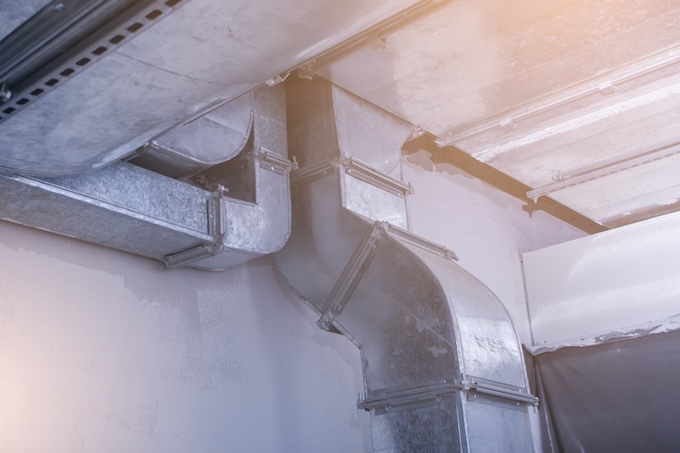
Many homeowners don’t think about their ductwork until something feels off. Maybe one room never cools properly, your energy bills keep climbing, or your HVAC system seems to run nonstop. Since most ductwork is hidden behind walls, ceilings, or in the attic, problems often go unnoticed until they begin affecting your comfort and your wallet.
If you’ve been wondering, “How do I know if my HVAC ductwork needs repair?” you’re not alone. In this guide, we’ll explain the most common signs of damaged ductwork, what causes these issues, when HVAC ductwork repair may be needed, and when replacement is the better option. You’ll also learn how professional ductwork HVAC services can improve airflow, increase energy efficiency, and help your heating and cooling system perform at its best.
Why HVAC Ductwork Is Essential to Your Home’s Comfort
Your HVAC ductwork acts as the delivery system for heated and cooled air throughout your home. Even if your air conditioner or heating system is working properly, damaged, poorly sealed, or incorrectly sized ducts can prevent that conditioned air from reaching each room efficiently. Well-maintained ductwork supports balanced temperatures, steady airflow, better indoor comfort, and more efficient HVAC performance.
How HVAC Ductwork Delivers Heated and Cooled Air
When your HVAC system heats or cools the air, the blower moves it through a network of supply ducts. These ducts carry conditioned air to vents in different rooms, while return ducts pull indoor air back into the system to be filtered and heated or cooled again.
For this process to work properly, the ductwork must be securely connected, correctly sized, and free from major leaks or obstructions. Loose joints, crushed ducts, or poorly designed sections can reduce airflow and make it difficult for some areas of the home to reach the thermostat setting.
Why Damaged Ductwork Reduces HVAC Efficiency
Damaged ductwork can allow heated or cooled air to escape into attics, wall cavities, garages, or other unconditioned spaces before it reaches your living areas. As a result, the HVAC system may run longer and use more energy to maintain a comfortable indoor temperature.
Air leaks and airflow restrictions can also place additional strain on the blower and other system components. Professional HVAC ductwork repair can help seal damaged sections, restore proper airflow, and reduce wasted energy. Addressing duct problems early may also improve comfort and help prevent unnecessary wear on your heating and cooling equipment.
8 Common Signs You Need HVAC Ductwork Repair
1. Your Energy Bills Keep Increasing
If your utility bills continue to rise without a significant change in weather or energy usage, leaking ductwork could be wasting conditioned air. When cooled or heated air escapes before reaching your living spaces, your HVAC system has to run longer to maintain the desired temperature, increasing energy consumption and operating costs.
2. Some Rooms Are Too Hot or Too Cold
Uneven temperatures are one of the most common signs of ductwork problems. If one room feels comfortable while another is consistently warmer or cooler, damaged or leaking ducts may be preventing enough conditioned air from reaching that area. Poor duct design, disconnected ducts, or airflow restrictions can all contribute to inconsistent temperatures.
3. Weak Airflow From Supply Vents
You should feel a steady flow of air from your supply vents when your HVAC system is operating. If the airflow seems weak in one or more rooms, the problem may be caused by leaks, blockages, crushed ducts, or loose connections within the duct system. Reduced airflow makes it harder to maintain comfort and places additional strain on your HVAC equipment.
4. Strange Noises Coming From Your Ductwork
While some airflow noise is normal, loud rattling, banging, popping, whistling, or vibrating sounds are not. These noises may indicate loose duct connections, expanding metal ducts, damaged components, or air escaping through leaks. A professional inspection can identify the source of the noise and determine whether repairing HVAC ductwork is the appropriate solution.
5. Excessive Dust Around Vents and Inside Your Home
If you notice dust collecting quickly around air vents or throughout your home despite regular cleaning, your ductwork may have leaks that allow dust, insulation particles, and other contaminants to enter the system. Sealing damaged ducts can help reduce unwanted debris circulating through your home’s air.
6. Musty Odors or Moldy Smells From the Vents
Persistent musty odors coming from your vents may indicate excess moisture inside the ductwork. Florida’s humid climate can create conditions where mold or mildew may develop if ducts are damaged or poorly insulated. While odors can have several causes, they should always be inspected to identify the source and determine whether HVAC ductwork repair is needed.
7. Your HVAC System Runs Longer Than Normal
If your heating or cooling system seems to run almost continuously, leaking or damaged ductwork could be preventing conditioned air from reaching your living spaces efficiently. As air escapes through holes or disconnected sections, the system must operate longer to satisfy the thermostat, increasing wear on major HVAC components.
8. Visible Damage, Loose Connections, or Crushed Ducts
If you can safely access your attic, crawl space, or utility area, look for obvious signs of duct damage. Torn insulation, disconnected joints, crushed flexible ducts, rust, dents, or hanging sections can all reduce airflow and system performance. Any visible damage should be inspected by a professional who can determine whether to repair HVAC ductwork or recommend replacement for severely damaged sections.
What Causes HVAC Ductwork Damage?
HVAC ductwork can deteriorate for several reasons, including age, poor installation, moisture exposure, pest activity, and accidental impact. Because much of the duct system is hidden in attics, ceilings, walls, or crawl spaces, damage may go unnoticed until it begins affecting airflow, indoor comfort, or energy use.
Age and Normal Wear
Ductwork does not last forever. Over time, seals can weaken, insulation can deteriorate, and flexible ducts may sag, tear, or separate at the joints. Older metal ducts may also develop corrosion or small gaps. As the system ages, regular inspections become more important so minor issues can be addressed before they lead to larger air leaks or airflow problems.
Poor Installation or Loose Seals
Improperly installed ductwork can cause problems from the beginning. Sections that are poorly supported, incorrectly sized, sharply bent, or loosely connected may restrict airflow and create uneven temperatures throughout the home. Sealing materials can also fail if they were applied incorrectly. Professional HVAC ductwork repair may be needed to reconnect sections, seal leaks, and improve the overall layout.
Pest or Rodent Damage
Rodents and other pests may chew through flexible ducts, insulation, or sealing materials, especially in attics and crawl spaces. This can create openings that allow conditioned air to escape and contaminants to enter the duct system. Signs may include scratching noises, droppings, damaged insulation, or sudden airflow changes. Pest issues should be resolved before the damaged ductwork is repaired.
Florida Heat, Humidity, and Moisture
Port Charlotte’s heat and humidity can place added stress on ductwork, particularly in unconditioned attics. Condensation may form when cold air moves through poorly insulated ducts surrounded by warm, humid air. Over time, moisture can damage insulation, encourage corrosion, and contribute to musty odors. Proper insulation and sealing help protect HVAC ductwork from these conditions.
Accidental Damage During Home Renovations
Ductwork can be crushed, punctured, disconnected, or shifted during roofing work, electrical repairs, insulation installation, or attic renovations. Even minor damage can reduce airflow or create hidden leaks. After major home improvements, it is a good idea to have accessible duct sections inspected, especially if you notice new temperature differences, noise, or weaker airflow.
Why You Shouldn’t Delay HVAC Ductwork Repair
It can be tempting to ignore ductwork problems if your heating or cooling system is still running, but small issues rarely improve on their own. Leaks, loose connections, and damaged duct sections often become worse over time, affecting your comfort, increasing energy use, and placing unnecessary strain on your HVAC equipment. Addressing problems early can help prevent more costly repairs in the future.
Higher Utility Bills
Leaking or damaged ductwork allows conditioned air to escape before it reaches your living spaces. As a result, your HVAC system has to run longer and use more energy to maintain the thermostat setting. Even small air leaks can add up over time, leading to noticeably higher monthly utility bills.
Reduced Indoor Comfort
When ductwork cannot deliver air evenly throughout your home, some rooms may feel too warm while others remain too cool. Weak airflow, inconsistent temperatures, and difficulty maintaining a comfortable indoor environment are common signs that your duct system is no longer performing efficiently. Prompt HVAC ductwork repair can help restore balanced airflow and improve comfort in every room.
Poor Indoor Air Quality
Leaks in your ductwork can allow dust, insulation particles, attic debris, and other contaminants to enter the air distribution system. In humid areas, damaged ducts may also contribute to moisture problems that create musty odors. Repairing damaged ductwork helps reduce unwanted contaminants entering your home’s airflow and supports cleaner indoor air.
Extra Wear on Your HVAC System
Your heating and cooling equipment is designed to operate with proper airflow. When damaged ductwork forces the system to work harder, components such as the blower motor, compressor, and fan may experience additional wear. Over time, this extra strain can contribute to reduced efficiency, more frequent repairs, and a shorter system lifespan.
Small Problems Become Expensive Repairs
A minor air leak or loose duct connection is usually much less expensive to address than widespread duct damage or HVAC equipment failure caused by prolonged strain. Waiting too long can allow small issues to grow into larger repair projects that affect both your ductwork and your heating and cooling system. Scheduling professional ductwork HVAC services at the first sign of trouble can help protect your investment and reduce long-term repair costs.
How Professionals Repair HVAC Ductwork
Professional HVAC ductwork repair starts with identifying the source of the problem rather than applying a temporary patch. Technicians inspect the system, locate leaks or restrictions, repair damaged sections, and test performance afterward. This step-by-step approach helps restore airflow, reduce energy loss, and improve comfort throughout the home.
Complete Ductwork Inspection
The technician begins by examining accessible sections of the HVAC ductwork for visible damage, loose joints, torn insulation, corrosion, sagging flexible ducts, and disconnected sections. They may also inspect supply and return vents, the air handler, and nearby attic or crawl-space areas to look for signs of moisture, pest activity, or poor installation.
Finding Air Leaks and Airflow Restrictions
Not every ductwork problem is easy to see. Professionals may use airflow measurements, pressure testing, smoke tools, or other diagnostic methods to locate hidden leaks and restrictions. They also check for crushed ducts, sharp bends, blockages, undersized sections, and damaged dampers that may be limiting airflow to certain rooms.
Sealing, Repairing, and Reinforcing Damaged Ducts
Once the damaged areas are identified, technicians may reseal joints, reconnect loose sections, patch small holes, replace damaged insulation, or reinforce sagging ducts. Sections that are crushed, heavily corroded, contaminated, or beyond repair may need to be replaced. Professional materials and methods are used to create durable seals that can withstand regular HVAC operation.
Testing Airflow After Repairs
After the work is complete, the technician tests the system to confirm that airflow has improved and conditioned air is reaching each area of the home properly. They may check vent output, system pressure, temperature differences, and overall HVAC performance. Final testing helps verify that the repair has addressed the original problem and that the ductwork is operating efficiently.
How to Prevent Future HVAC Ductwork Problems
While some ductwork issues are unavoidable as your HVAC system ages, regular maintenance and a few preventive steps can reduce the risk of damage. Keeping your ductwork in good condition helps improve airflow, supports energy efficiency, and may extend the life of your heating and cooling system.
Schedule Routine HVAC Maintenance
Routine HVAC maintenance gives technicians an opportunity to identify ductwork issues before they become major problems. During a maintenance visit, they can inspect accessible duct sections, check airflow, look for loose connections, and identify signs of wear that may require attention. Catching minor issues early often helps prevent more extensive HVAC ductwork repair later.
Replace Air Filters Regularly
A clean air filter helps maintain proper airflow throughout your HVAC system. When filters become clogged with dust and debris, the system has to work harder to move air through the ductwork. Replacing your air filter according to the manufacturer’s recommendations can improve airflow, reduce strain on the equipment, and help keep dust from circulating through your home.
Keep Your Attic and Crawl Space Dry
Many homes in Port Charlotte have ductwork installed in attics or crawl spaces, where heat and moisture can affect its condition over time. Address roof leaks, plumbing leaks, and excess humidity as soon as they are discovered to help protect duct insulation and prevent moisture-related damage. Proper attic ventilation and insulation can also help reduce condensation around the duct system.
Have Your Ductwork Professionally Inspected
Even if your HVAC system appears to be working normally, periodic ductwork inspections can uncover hidden problems that are not visible during everyday use. A professional can identify small air leaks, loose connections, damaged insulation, or airflow restrictions before they affect your comfort or increase energy costs. Regular inspections are a proactive way to protect your HVAC system and reduce the likelihood of unexpected repairs.
Professional HVAC Ductwork Repair in Port Charlotte
If you’re experiencing uneven temperatures, weak airflow, rising energy bills, or other signs of ductwork problems, professional service can help identify the cause and restore your system’s performance. Executive Cooling provides reliable HVAC ductwork repair for homeowners throughout Port Charlotte, helping improve airflow, energy efficiency, and indoor comfort with solutions tailored to your home’s needs.
Experienced Ductwork HVAC Services You Can Trust
Our experienced HVAC technicians inspect your duct system carefully to locate air leaks, damaged sections, loose connections, and airflow restrictions. Whether your ductwork needs minor repairs or more extensive work, we provide dependable ductwork HVAC services designed to improve system performance and help your heating and cooling equipment operate more efficiently.
Honest Recommendations Without Unnecessary Repairs
Not every ductwork issue requires a major repair or replacement. After evaluating your system, we’ll explain what we find, answer your questions, and recommend only the services your home actually needs. If a simple repair will restore proper airflow and performance, we’ll let you know. If replacement is the better long-term solution, we’ll explain why so you can make an informed decision.
Schedule Your HVAC Ductwork Inspection With Executive Cooling
Don’t let damaged ductwork reduce your comfort or increase your energy costs. If you suspect your duct system needs attention, contact Executive Cooling to schedule a professional inspection. Our team proudly serves homeowners throughout Port Charlotte with trusted HVAC ductwork repair, quality workmanship, and dependable service that helps keep your home comfortable year-round.
FAQs About HVAC Ductwork Repair
How do I know if I need HVAC ductwork repair?
You may need HVAC ductwork repair if you notice uneven temperatures, weak airflow, rising energy bills, excessive dust, musty odors, unusual noises, or visible damage around accessible ducts. A professional inspection can confirm whether leaks, loose connections, crushed sections, or insulation problems are affecting your system.
Can leaking ductwork increase my electric bill?
Yes. Leaking ductwork allows heated or cooled air to escape before it reaches your living spaces, forcing the HVAC system to run longer to maintain the thermostat setting. This added runtime can increase energy consumption and raise your monthly electric bill.
How long does HVAC ductwork repair take?
The repair time depends on the location and extent of the damage. Minor sealing or connection repairs may be completed within a few hours, while larger projects involving multiple damaged sections, difficult access, or partial duct replacement may take longer. Your technician can provide a clearer timeline after inspecting the system.
Is it better to repair HVAC ductwork or replace it?
Repair is often the better choice when the ductwork has isolated leaks, loose joints, damaged insulation, or a few crushed sections. Replacement may be more practical when the ducts are old, poorly designed, heavily damaged, contaminated, or experiencing widespread air loss. A professional evaluation can determine which option offers the best long-term value.
How much does HVAC ductwork repair cost?
The cost of HVAC ductwork repair varies based on the type of ductwork, the amount of damage, accessibility, labor requirements, and whether any sections need to be replaced. A professional inspection is the best way to receive an accurate estimate based on your home’s specific system.
How often should HVAC ductwork be inspected?
It is a good idea to have your ductwork inspected during routine HVAC maintenance or whenever you notice airflow problems, unusual noises, rising energy costs, or indoor air quality concerns. Homes with older ductwork, attic moisture, pest activity, or recent renovations may benefit from more frequent inspections.
Don’t Let Your Comfort Slip through the Cracks!
Your HVAC ductwork plays a major role in your home’s comfort, energy efficiency, and overall system performance. If you’ve noticed uneven temperatures, rising energy bills, weak airflow, or excessive dust, don’t ignore the warning signs. Addressing duct issues early can help prevent more extensive repairs while improving airflow and indoor air quality in Punta Gorda. Whether you need HVAC ductwork repair, routine maintenance, or Duct Work in Punta Gorda, Executive Cooling and Heating is here to provide dependable solutions that keep your home comfortable year-round.
If you’re concerned about your ductwork, we’re ready to help. Our experienced team can inspect your system, recommend the right solution, and provide honest service backed by quality workmanship. Whether you also need Air Conditioning Repair Service in Punta Gorda, want to learn more about our Air Conditioner Maintenance Plans in Punta Gorda, or are interested in our financing options, we’ll guide you every step of the way. Call us today at (941) 637-9800 or contact us to schedule your HVAC ductwork inspection and let us help restore comfort and efficiency to your home.