
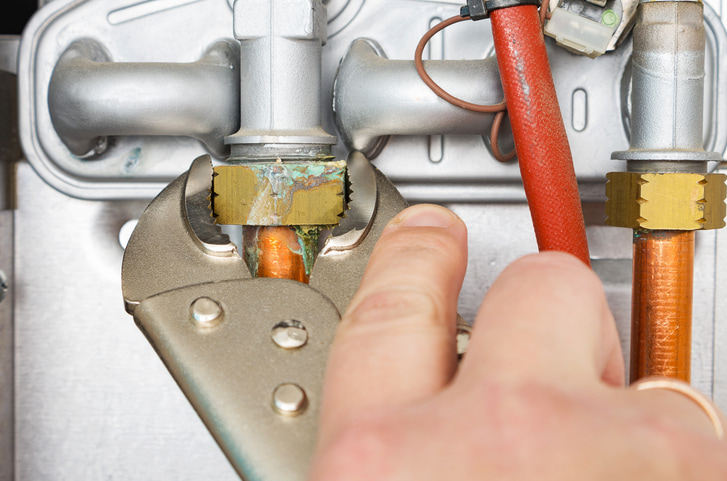
When Florida temperatures drop, the last thing you want is a heating system that fails when you finally need it. Strange noises, uneven temperatures, frequent cycling, and rising energy bills can all be signs that your heating system needs repair. Catching these warning signs early may help prevent a minor issue from turning into a more expensive breakdown.
If your heating system isn’t performing like it used to, knowing when to schedule professional heating system repair can help you maintain reliable comfort in your Port Charlotte home. Below, we’ll cover common signs of trouble, possible causes, safe troubleshooting steps, and when it’s time to call for a professional heating system repair service.
How to Tell When Your Heating System Needs Repair
A heating system does not always fail suddenly. In many cases, it gives you warning signs first, such as unusual noises, weak airflow, uneven temperatures, or longer run times. Knowing what is normal and what is not can help you recognize when your heating system needs repair before the problem becomes more serious.
Normal Heating System Operation vs. Warning Signs
Some sounds and cycling are part of normal operation. You may hear a brief click at startup, airflow through the vents, or the system turning on and off as the thermostat maintains your preferred temperature. What is not normal is persistent banging, grinding, repeated short cycling, burning odors, weak airflow, or a system that struggles to heat your home.
You should also pay attention to changes in performance. If your heating system suddenly takes longer to warm the house or certain rooms stay cold, it may need professional attention.
Why You Shouldn’t Ignore Changes in Heating Performance
Small changes can be early signs of developing problems. A dirty filter, worn blower component, thermostat issue, electrical fault, or ductwork problem may gradually reduce efficiency and comfort.
Ignoring these signs can lead to higher energy use, more wear on the equipment, and a greater chance of an unexpected breakdown. Scheduling heating system repair early may help limit damage and keep repair costs from increasing.
When to Schedule a Professional Heating System Service
Call for professional heating system service if the system is making unusual noises, blowing cool air, cycling frequently, producing weak airflow, or failing to maintain the thermostat setting. You should also schedule service if the system will not start or your energy bills rise without a clear explanation.
A trained HVAC technician can inspect the equipment, identify the cause, and recommend the appropriate heating system repair service to restore reliable operation.
1. Unusual Noises May Mean Your Heating System Needs Repair
Your heating system will naturally make some noise when it starts, runs, and shuts down. However, new, persistent, or unusually loud sounds can indicate that a component is loose, worn, or malfunctioning. If banging, rattling, squealing, or grinding noises suddenly appear, your heating system may need repair before the problem becomes more serious.
Banging, Rattling, or Clanking Sounds
Banging, rattling, and clanking noises may indicate loose panels, unsecured components, blower problems, or parts moving where they should not. The exact cause depends on your type of heating equipment and where the sound originates.
A minor vibration can sometimes produce a rattle, but loud or persistent noises should not be ignored. Continuing to operate the equipment could place additional strain on damaged or loose components.
Squealing or Grinding Noises
Squealing may point to a problem involving the blower motor, bearings, or other moving components. Grinding can indicate mechanical wear or parts rubbing together, which may lead to further damage if the system continues operating.
If the noise is getting louder or heating performance has also declined, schedule a heating system repair service rather than waiting for the equipment to stop working completely.
When Heating System Noises Require Professional Attention
Call an HVAC professional when unusual noises are persistent, suddenly become louder, or occur alongside other warning signs such as burning odors, weak airflow, frequent cycling, or poor heating performance.
If you hear severe grinding, loud banging, or electrical buzzing, turn the system off if you can do so safely and schedule professional heating system service. A technician can identify the source of the noise and determine what repairs are needed to restore normal operation.
2. Rising Energy Bills Can Signal a Heating System Problem
A sudden increase in energy costs can be a sign that your heating system is working harder than it should. While colder weather or changes in utility rates can raise monthly bills, higher energy use without an obvious reason may point to a developing HVAC problem that needs attention.
Why an Inefficient Heating System Uses More Energy
When components become dirty, worn, or damaged, your heating system may need to run longer to maintain the thermostat setting. Dirty filters, airflow restrictions, thermostat problems, electrical issues, and aging equipment can all reduce efficiency.
As runtime increases, so does energy consumption. If your system seems to stay on longer than usual or struggles to keep your home comfortable, it may be time to schedule heating system repair.
Compare Energy Use With Previous Months
Instead of looking at one bill in isolation, compare your energy use with previous months and the same period from prior years. Also consider changes in weather, thermostat settings, occupancy, and utility rates.
A steady increase in consumption, especially when paired with longer run times or reduced comfort, can be a useful sign that your heating system is losing efficiency.
How Professional Heating System Service Can Identify Efficiency Problems
A professional heating system service can help determine why your equipment is using more energy. An HVAC technician can inspect airflow, filters, electrical components, thermostat operation, heating elements, ductwork, and overall system performance.
Finding and correcting these problems early can help restore efficiency, reduce unnecessary energy use, and prevent a minor issue from becoming a more expensive heating system repair service later.
3. Uneven Heating and Cold Spots Point to Performance Problems
If some rooms feel warm while others stay noticeably colder, your heating system may not be distributing heat properly. Uneven temperatures can come from airflow restrictions, ductwork problems, thermostat issues, or equipment that is struggling to meet your home’s heating needs. Persistent hot and cold spots are often a sign that your system should be inspected.
Why Some Rooms Stay Colder Than Others
Rooms can stay colder for several reasons, including blocked vents, poor insulation, long duct runs, closed dampers, or limited airflow. In some cases, the heating equipment itself may not be producing enough warm air to keep the entire home comfortable.
If the temperature difference is new or getting worse, the issue may be more than a normal room-to-room variation.
Airflow and Ductwork Problems
Leaky, crushed, disconnected, or poorly sealed ductwork can prevent warm air from reaching certain areas of your home. Dirty filters and blower problems can also reduce airflow and make some rooms feel colder than others.
Professional heating system service can identify whether the problem starts with the equipment or the duct system and recommend the right fix.
When Uneven Temperatures Require Heating System Repair
Schedule heating system repair if cold spots persist after checking vents and replacing a dirty air filter. You should also call a professional if uneven heating is accompanied by weak airflow, frequent cycling, rising energy bills, or unusual noises.
A technician can inspect the heating system, thermostat, blower, and ductwork to determine what is causing the imbalance and restore more consistent comfort throughout your home.
4. Frequent Cycling Can Mean Your Heating System Needs Repair
A heating system that turns on and off more often than usual may be short cycling. This can make it harder to maintain a steady indoor temperature and may indicate that your heating system needs repair. Frequent cycling can result from thermostat issues, restricted airflow, overheating, or equipment that is not operating correctly.
Why Your Heating System Keeps Turning On and Off
Short cycling happens when the system starts, runs briefly, shuts off, and then starts again soon afterward. Possible causes include a dirty air filter, blocked airflow, overheating, electrical problems, or an improperly sized system.
If the pattern continues, the equipment may never complete a full heating cycle, which can reduce comfort and increase wear on major components.
Thermostat Problems and Short Cycling
A faulty thermostat can also cause frequent cycling. If the thermostat is reading the indoor temperature incorrectly, installed in a poor location, or experiencing wiring problems, it may send the wrong signals to the heating system.
Before scheduling service, make sure the thermostat is set correctly and is not located near a draft, heat source, or direct sunlight. If the system still cycles frequently, professional heating system service can help identify the cause.
How Frequent Cycling Affects System Wear and Energy Use
Every startup places stress on electrical and mechanical components. When a heating system cycles too often, that repeated starting and stopping can increase wear and may lead to more frequent repairs over time.
Short cycling can also raise energy use because the system spends more time starting up without completing efficient heating cycles. Addressing the problem early with professional heating system repair can help restore normal operation and reduce unnecessary strain on the equipment.
5. Your Heating System Is Blowing Cool or Lukewarm Air
If your vents are blowing cool or barely warm air when you expect heat, your heating system may need repair. The cause can range from an incorrect thermostat setting or dirty filter to a heat pump, electrical, or heating component problem. Because Florida homes commonly use heat pumps, it is also important to remember that heat pump supply air can feel less hot than air from some traditional heating systems while still heating the home normally.
Check Your Thermostat Settings First
Start by confirming that the thermostat is set to HEAT and the desired temperature is above the current indoor temperature. Check the fan setting as well. If the fan is set to ON rather than AUTO, it may continue circulating air between heating cycles, causing cooler air to come through the vents.
If your thermostat settings are correct but the home still does not warm up, further troubleshooting may be necessary.
Restricted Airflow and Dirty Filters
A dirty air filter can restrict airflow through the HVAC system and reduce heating performance. Blocked or closed vents can create similar problems, making it difficult for warm air to circulate throughout your home.
Check the filter and replace it if needed, and make sure supply and return vents are unobstructed. If airflow remains weak after these basic steps, schedule professional heating system service.
Heat Pump or Heating Component Problems
If you have a heat pump, cool or lukewarm air can sometimes indicate a problem with the outdoor unit, refrigerant system, reversing valve, controls, or auxiliary heat components. Other types of heating systems can experience electrical or mechanical failures that also reduce heat output.
If the system runs continuously but cannot reach the thermostat setting, or the air suddenly feels much cooler than usual, a professional heating system repair service can diagnose the cause and recommend the appropriate repair.
6. Weak Airflow Is Coming From Your Vents
Weak airflow can make it difficult for your heating system to distribute warm air evenly throughout your Port Charlotte home. If you barely feel air coming from the vents or certain rooms receive much less airflow than others, the problem could involve a dirty filter, blower issue, blocked vent, or damaged ductwork. Persistent airflow problems may indicate that your heating system needs repair.
Dirty Air Filters Can Restrict Airflow
A clogged air filter is one of the simplest causes of weak airflow. As the filter collects dust, pet hair, and other particles, it becomes harder for air to pass through the HVAC system.
Check your filter regularly and replace it according to the manufacturer’s recommendations. If airflow improves after installing a clean filter, the restriction may have been the primary problem. If it remains weak, further inspection may be necessary.
Blower and Ductwork Problems
The blower moves conditioned air through the ductwork and into your living spaces. A failing blower motor, dirty blower components, or electrical problems can reduce the amount of air reaching your vents.
Ductwork can also contribute to poor airflow. Leaks, disconnected sections, crushed ducts, or other restrictions can prevent heated air from reaching certain rooms. Professional heating system service can help determine whether the issue is coming from the equipment, ducts, or both.
Why Poor Airflow Can Reduce Heating Performance
Your heating system relies on proper airflow to deliver warmth throughout the home. When airflow is restricted, rooms may take longer to reach the desired temperature, temperatures can become uneven, and the equipment may need to operate longer.
In some systems, severe airflow restriction can also contribute to overheating and safety shutdowns. If replacing the filter and opening blocked vents do not resolve the problem, schedule a professional heating system repair service to identify and correct the underlying cause.
7. Your Heating System Won’t Turn On
Few heating problems are more obvious than a system that refuses to start. If your heating system does not respond when the indoor temperature falls below the thermostat setting, the cause could be as simple as a thermostat or power issue or involve a more serious electrical or mechanical problem. Basic troubleshooting can rule out a few common causes, but persistent startup problems typically require professional heating system repair.
Thermostat and Power Supply Problems
Start by confirming that your thermostat is set to HEAT and the temperature is set above the current room temperature. If the thermostat uses batteries, replace them if the display is blank, dim, or unresponsive.
You can also make sure the HVAC system’s accessible power switch has not accidentally been turned off. If the thermostat appears to be working but the heating equipment does not respond, there may be a problem with the controls, wiring, or another internal component.
Tripped Breakers and Electrical Issues
A tripped circuit breaker can prevent your heating system from receiving power. Check your electrical panel and follow the breaker’s instructions if a heating or HVAC circuit has tripped. If it trips again after being reset once, do not continue resetting it.
Repeated breaker trips can indicate an overloaded circuit, damaged wiring, a failing motor, or another electrical fault. These problems should be inspected by a qualified professional rather than handled as a DIY repair.
When a System That Won’t Start Needs Professional Repair
Schedule a heating system repair service if basic thermostat and power checks do not restore operation. You should also call for service if the breaker repeatedly trips, the system hums or clicks without starting, or you notice burning odors or other signs of electrical trouble.
A professional technician can safely inspect the thermostat, controls, electrical components, and heating equipment to determine why the system will not start and recommend the appropriate repair.
8. Your Heating System Runs Constantly
A heating system may run longer during colder weather, but it should normally cycle off once your home reaches the thermostat setting. If your heating system seems to operate nonstop without making your Port Charlotte home comfortable, it could be struggling with heat loss, restricted airflow, thermostat problems, or an equipment malfunction. Continuous operation can increase energy use and place unnecessary strain on the system.
Why Your Home Isn’t Reaching the Thermostat Setting
When your home never reaches the temperature you selected, the heating system keeps running because the thermostat continues calling for heat. A dirty filter, incorrect thermostat reading, weak heating performance, or improperly sized equipment may be responsible.
Start by checking the thermostat settings and air filter. If both appear normal but the system still cannot reach the desired temperature, professional diagnosis may be necessary.
Heat Loss, Airflow, and Equipment Problems
Poor insulation, gaps around windows and doors, or leaky ductwork can allow heated air to escape and make the system work longer. Restricted airflow from a clogged filter, blocked vents, or blower problems can also prevent enough warm air from reaching your living spaces.
The issue may also originate within the heating equipment itself. Heat pump, electrical, control, or other component problems can reduce heating capacity and cause extended operation. Identifying the actual cause is important before attempting to repair a heating system.
When Continuous Operation Requires Heating System Repair Service
Schedule a professional heating system repair service if the equipment runs constantly, cannot maintain the thermostat setting, or produces little heat despite extended operation. Rising energy bills, unusual noises, weak airflow, or frequent system problems are additional signs that service is needed.
An HVAC technician can evaluate airflow, thermostat operation, ductwork, electrical components, and heating performance to determine why the system is running continuously and recommend the appropriate heating system repair.
9. Unusual Odors Are Coming From Your Heating System
A strange smell from your heating system can sometimes be harmless, especially when you turn it on for the first time after months of inactivity. However, persistent burning, electrical, or unusual odors may indicate a problem that requires professional attention. Knowing the difference can help you decide when your heating system needs repair.
When a Temporary Burning Smell May Be Normal
When your heating system starts for the first time in a while, dust that has settled on internal components may briefly burn off. This can create a light dusty or burning smell that typically fades after the system has been running for a short period.
If the odor disappears quickly and the system otherwise operates normally, it may not be a cause for concern. However, a smell that continues or becomes stronger should be inspected.
Electrical or Persistent Burning Odors
A sharp electrical or persistent burning smell can point to overheating wiring, a failing motor, damaged electrical components, or another HVAC problem. These odors should not be ignored, especially if they occur with buzzing sounds, breaker trips, smoke, or reduced heating performance.
Musty or unusual odors may also indicate moisture, dirty filters, or problems within the ductwork. A professional heating system service can help identify the source.
When to Turn Off Your Heating System and Call a Professional
Turn the system off if you notice a strong electrical smell, visible smoke, sparks, or an odor that continues to worsen. Avoid opening electrical panels or attempting internal repairs yourself.
Schedule a professional heating system repair service so a technician can inspect the equipment safely, identify the source of the odor, and complete the necessary repair before the system is used again.
What Causes a Heating System to Need Repair?
A heating system can develop problems for several reasons, from simple airflow restrictions to worn electrical or mechanical components. Understanding the most common causes can help you recognize when routine maintenance is enough and when professional heating system repair is needed.
Dirty or Clogged Air Filters
A dirty air filter restricts airflow and makes your heating system work harder to move warm air through the home. This can lead to weak airflow, longer run times, uneven temperatures, and extra strain on the equipment.
Checking and replacing the filter regularly is one of the simplest ways to reduce avoidable heating problems.
Thermostat Malfunctions
A faulty thermostat can send incorrect signals to the heating system, causing short cycling, continuous operation, inaccurate temperatures, or failure to start. Dead batteries, wiring issues, poor thermostat placement, or sensor problems can all affect performance.
If the thermostat appears inaccurate or unresponsive, professional testing can determine whether it needs repair or replacement.
Electrical and Control Problems
Loose wiring, failing relays, damaged control boards, tripped breakers, or other electrical issues can interfere with normal heating operation. These problems may cause the system to stop working, cycle erratically, or produce unusual noises.
Electrical repairs should always be handled by a qualified HVAC professional.
Dirty or Worn Heating Components
Over time, internal components can collect dirt or wear down from normal use. Blower motors, heating elements, bearings, and other parts may become less efficient or begin to fail.
Routine heating system service helps identify worn or dirty components before they lead to larger repair needs.
Poor Airflow or Leaky Ductwork
Blocked vents, damaged ducts, leaks, or disconnected sections can reduce the amount of warm air reaching your rooms. This may cause cold spots, weak airflow, and longer heating cycles.
A ductwork inspection can help determine whether the problem is coming from the heating equipment or the air distribution system.
Lack of Routine Heating System Service
Skipping maintenance allows small problems to go unnoticed. Dirty components, loose electrical connections, airflow restrictions, and thermostat issues can gradually reduce performance and increase the likelihood of breakdowns.
Regular professional maintenance can help keep the system operating efficiently and reduce the need for unexpected heating systems repair.
Normal Wear and System Age
Even a well-maintained heating system will eventually experience wear. As equipment ages, components may become less reliable, efficiency can decline, and repairs may become more frequent.
If your system is older and needs repeated repairs, an HVAC professional can help you compare the cost of continued heating system repair service with the long-term value of replacement.
What to Do When Your Heating System Needs Repair
If you suspect your heating system needs repair, a few basic troubleshooting steps can help rule out simple problems before you call an HVAC professional. Start with accessible components such as the thermostat, air filter, breaker, and vents. If these checks do not restore normal operation, avoid taking the system apart or attempting electrical repairs yourself.
Check Your Thermostat Settings
Make sure the thermostat is set to HEAT and the desired temperature is above the current indoor temperature. If your thermostat uses batteries, check whether they need to be replaced.
Also confirm that the fan is set to AUTO rather than ON. The ON setting can keep the blower running between heating cycles, which may make it seem like the system is operating without producing enough heat.
Inspect and Replace a Dirty Air Filter
A clogged air filter can restrict airflow and contribute to weak heating, longer cycles, overheating, and uneven temperatures. Remove the filter and inspect it for visible dust and buildup.
If it is dirty, replace it with the correct size and type recommended for your HVAC system. Regular filter changes can help maintain airflow and reduce unnecessary strain on heating components.
Check the Circuit Breaker Once
If the heating system will not turn on, check the electrical panel to see whether the HVAC breaker has tripped. Follow the breaker’s instructions to reset it once if there are no visible signs of electrical damage.
If the breaker trips again, do not continue resetting it. Repeated trips can indicate an electrical fault or failing component that requires professional heating system repair.
Make Sure Supply and Return Vents Are Open
Check that supply registers and return vents are open and not blocked by furniture, rugs, curtains, or other objects. Restricted vents can interfere with airflow and make it harder for the system to distribute warm air throughout your home.
If certain rooms remain cold despite open vents, ductwork leaks, blower problems, or another airflow issue may be responsible.
Know When to Stop Troubleshooting
Basic homeowner troubleshooting should end when the problem involves electrical wiring, internal components, refrigerant, persistent burning odors, repeated breaker trips, or equipment that continues malfunctioning after simple checks.
If your system still will not start, blows cool air, makes unusual noises, or cannot maintain the thermostat setting, schedule a professional heating system repair service. A qualified technician can safely diagnose the problem and recommend the appropriate repair.
How Routine Heating System Service Can Help Prevent Repairs
Regular heating system service can help keep your equipment operating reliably and reduce the likelihood of unexpected breakdowns. Preventive maintenance gives small issues a chance to be identified before they develop into larger problems requiring more extensive heating system repair. Even in Port Charlotte’s mild winters, routine care is important because heating equipment may sit unused for long periods before suddenly being needed.
Replace Air Filters Regularly
A clean air filter helps maintain proper airflow through your HVAC system. When filters become clogged with dust, pet hair, and other particles, the system may have to work harder to circulate heated air.
Check the filter regularly and replace it according to the manufacturer’s recommendations. Consistent filter changes can help reduce airflow problems, unnecessary system strain, and uneven heating.
Keep Heating Components Clean
Dust and debris can accumulate on coils, blowers, and other HVAC components over time. This buildup may interfere with airflow, heat transfer, and overall system performance.
Professional maintenance can include inspecting and cleaning appropriate components to help the equipment operate efficiently. Keeping the system clean may also make it easier to spot worn or damaged parts before they cause a breakdown.
Check Thermostat and Electrical Components
Your thermostat, wiring, connections, capacitors, relays, and other electrical controls all contribute to reliable heating operation. Problems with these components can cause startup failures, short cycling, continuous operation, or inconsistent temperatures.
During professional heating system service, a technician can check thermostat operation and inspect accessible electrical components for signs of wear or developing problems.
Schedule Professional Heating Maintenance
Scheduling professional maintenance before you expect to rely on your heating system gives a technician an opportunity to evaluate overall performance. Service may include checking airflow, controls, electrical connections, heating components, and other system-specific areas.
Routine maintenance cannot prevent every breakdown, but it can help reduce avoidable problems and identify developing issues earlier. That means fewer surprises when temperatures drop and a lower chance of needing an unexpected heating system repair service.
Professional Heating System Repair Service in Port Charlotte, FL
If your heating system is making unusual noises, cycling too often, blowing cool air, or struggling to maintain a comfortable temperature, professional service can help identify the cause. Executive Cooling provides dependable heating system repair service in Port Charlotte, FL, with a focus on accurate diagnosis, practical solutions, and reliable system performance.
Diagnose Why Your Heating System Isn’t Working Properly
Heating problems can stem from thermostat issues, restricted airflow, electrical faults, worn components, ductwork problems, or aging equipment. Our technicians inspect the system carefully to determine what is affecting performance instead of guessing at the cause.
Accurate diagnosis helps ensure the right repair is completed and can prevent unnecessary part replacement or repeat service calls.
Professional Heating Systems Repair and Maintenance
Executive Cooling provides professional heating systems repair and maintenance for a wide range of HVAC equipment. Whether your system needs a minor adjustment, electrical repair, airflow correction, or component replacement, our team can recommend the appropriate solution based on the condition of the equipment.
Routine maintenance can also help identify developing problems early and support more efficient, reliable operation throughout the heating season.
Schedule Heating System Service With Executive Cooling
If your heating system needs repair, don’t wait for the problem to get worse. Prompt heating system service can help restore comfort, reduce unnecessary energy use, and lower the risk of a more serious breakdown.
Schedule service with Executive Cooling today and let our experienced technicians inspect your system, explain what is wrong, and get your Port Charlotte home back to comfortable, dependable heating.
FAQs About Heating System
What are the most common signs a heating system needs repair?
Common signs include unusual noises, weak airflow, uneven temperatures, cool air from the vents, frequent cycling, rising energy bills, unusual odors, or a system that will not start or runs constantly. If you notice several of these problems together, professional heating system repair may be needed.
Why is my heating system running but not heating my home?
Possible causes include incorrect thermostat settings, a dirty air filter, restricted airflow, ductwork problems, electrical issues, or a malfunctioning heating component. If basic checks do not solve the problem, schedule a professional heating system service to identify the cause.
Why does my heating system keep turning on and off?
Frequent cycling may be caused by a dirty filter, thermostat problem, airflow restriction, overheating, electrical issue, or improperly sized equipment. Short cycling can increase wear and energy use, so persistent cycling should be inspected by an HVAC professional.
Is it safe to keep using a heating system that is making strange noises?
It depends on the sound. Minor startup or airflow noises may be normal, but loud banging, grinding, squealing, buzzing, or clanking can indicate a mechanical or electrical problem. If the noise is new, worsening, or accompanied by burning odors or poor performance, turn the system off and schedule service.
How much does heating system repair cost?
The cost of heating system repair depends on the type of system, the failed component, labor requirements, and whether replacement parts are needed. A professional inspection is the best way to receive an accurate estimate based on your specific equipment and problem.
How long does a heating system repair take?
Many common heating repairs can be completed within a few hours, but more complex electrical, mechanical, or component replacement jobs may take longer. The technician can provide a clearer timeline after diagnosing the problem.
Should I repair or replace an older heating system?
Repair may make sense when the system is still relatively reliable and the problem is minor. Replacement may be the better long-term option if the equipment is more than 10 to 15 years old, needs frequent repairs, has declining efficiency, or requires an expensive major component replacement.
How often should I schedule heating system service?
Most heating systems should receive professional maintenance at least once a year, ideally before the heating season begins. Annual heating system service can help maintain efficiency, identify developing problems early, and reduce the likelihood of unexpected breakdowns.
Keep Your Cool About Losing Your Heat. We’ve got It Covered!
Recognizing when your heating system needs repair can help you address performance problems before they turn into more disruptive breakdowns. Whether you are dealing with strange noises, uneven heating, frequent cycling, weak airflow, or rising energy costs, timely professional service can help restore dependable comfort and keep your equipment operating properly.
At Executive Cooling and Heating, we’re ready to help with your heating and cooling needs, including Commercial HVAC services in Punta Gorda, Residential HVAC services in Punta Gorda, Air Conditioning Repair Service in Punta Gorda, Air Conditioner Installation Services in Punta Gorda, Air Conditioner Maintenance Plans in Punta Gorda, Heating Services
in Punta Gorda, and Indoor Air Quality Services in Punta Gorda. We also offer convenient financing options for qualifying customers. Call us today at (941) 637-9800 or contact us, and we’ll help put heating problems on ice so you can get back to comfortable living.