
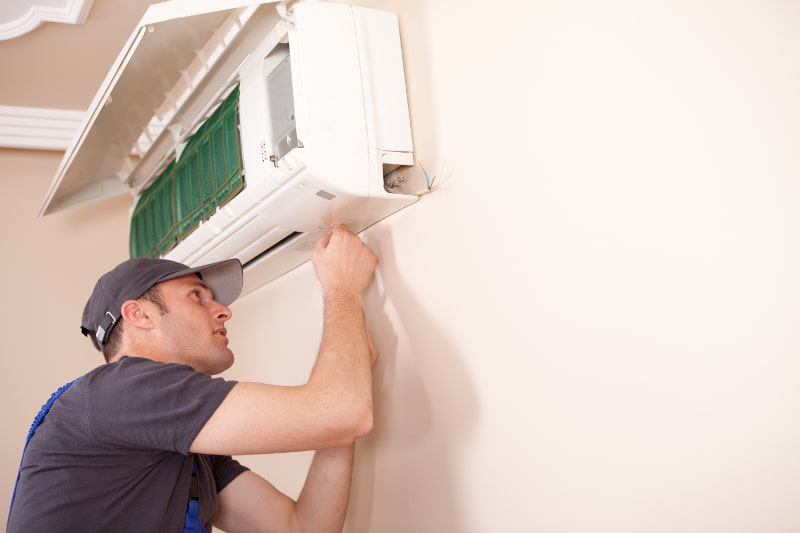
When your air conditioner struggles to keep your home cool during a Port Charlotte summer, it rarely happens without warning. Weak airflow, warm air from the vents, strange noises, or water leaks are often early signs that something isn’t working as it should. Recognizing these issues early can help you avoid more expensive repairs and keep your home comfortable even during Florida’s hottest months.
Many of the most common home AC problems develop gradually due to heavy system use, high humidity, and routine wear and tear. While some common problems with home AC units can be resolved with simple maintenance, others require the expertise of a licensed HVAC technician. In this guide, we’ll cover the four most common home AC problems, what causes them, the warning signs to watch for, and when it’s time to call Executive Cooling & Heating for professional AC repair in Port Charlotte, FL.
Why Home AC Problems Are So Common in Port Charlotte
Air conditioners in Port Charlotte work harder than systems in many other parts of the country. Florida’s long cooling season, high temperatures, and heavy humidity mean your AC may run for extended periods with fewer breaks. This constant demand can increase wear on components such as the compressor, blower motor, capacitor, and condensate drain system.
High humidity also creates additional challenges. Your air conditioner must cool the air while removing excess moisture from your home. When filters become clogged, coils get dirty, or drainage lines develop blockages, the system may struggle to maintain comfortable indoor temperatures. These conditions can contribute to some of the most common home AC problems, including weak airflow, water leaks, frozen coils, and uneven cooling.
Regular maintenance helps reduce the likelihood of unexpected breakdowns. During a professional tune-up, an HVAC technician can inspect electrical connections, clean essential components, check refrigerant levels, test airflow, and clear the condensate drain line. Identifying minor issues early can help prevent them from developing into more costly repairs during the hottest days of the year.
Your AC system may need attention if you notice:
- Warm or weak air coming from the vents
- Uneven temperatures between rooms
- Unusual noises or odors
- Water pooling near the indoor unit
- Frequent cycling or unusually long cooling cycles
- Higher energy bills without a clear reason
- Difficulty maintaining the thermostat setting
Addressing these warning signs promptly can help protect your system, improve cooling performance, and keep your Port Charlotte home comfortable throughout the year.
Refrigerant Leaks: One of the Most Common Home AC Problems
Refrigerant is essential for removing heat from your home and delivering cool, comfortable air. When your system develops a leak, it can no longer circulate the proper amount of refrigerant, making it difficult to cool your home efficiently. Refrigerant leaks are among the most common home AC problems, especially in older systems or units that have experienced years of wear and tear. Ignoring the issue can reduce cooling performance and place additional strain on critical components like the compressor.
4 Signs Your Air Conditioner May Have a Refrigerant Leak
A refrigerant leak often develops gradually, so the warning signs may become more noticeable over time. Contact a professional if you notice any of the following symptoms:
- Warm air from the vents: If your AC is running but blowing warm or lukewarm air, low refrigerant levels may prevent the system from cooling properly.
- Ice forming on refrigerant lines or the evaporator coil: Insufficient refrigerant can cause temperatures inside the system to drop too low, allowing ice to build up on the refrigerant lines or indoor coil.
- Longer cooling cycles: Your air conditioner may run continuously or take much longer than usual to reach the temperature set on your thermostat.
- Rising energy bills: When the system works harder to compensate for low refrigerant levels, it uses more electricity, which can lead to higher monthly utility costs.
These symptoms are common indicators of an AC problem in your home and should be inspected before they lead to more extensive damage.
What Causes Refrigerant Leaks?
Refrigerant doesn’t get “used up” during normal operation, so low refrigerant levels usually indicate a leak somewhere in the system. Several issues can cause refrigerant to escape, including:
- Corrosion that creates tiny holes in refrigerant lines or coils
- Loose fittings or damaged connections
- Wear and vibration over years of system operation
- Physical damage to refrigerant tubing
- Manufacturing defects in older or damaged components
Because refrigerant travels through a sealed system, even a small leak can reduce your AC’s efficiency and affect its ability to keep your home comfortable.
Why Refrigerant Leaks Require Professional AC Repair
Unlike replacing an air filter or adjusting your thermostat, refrigerant leaks should always be handled by a licensed HVAC technician. Simply adding more refrigerant without repairing the source of the leak is only a temporary solution and will not resolve the underlying problem.
A professional technician will locate the leak, repair or replace the damaged component, pressure-test the system, and recharge it with the correct amount of refrigerant according to manufacturer specifications. Prompt repairs help restore efficient cooling, reduce unnecessary wear on the compressor, and prevent more expensive repairs down the road. If you suspect your system has a refrigerant leak, scheduling service early can help minimize downtime and keep your Port Charlotte home comfortable throughout Florida’s hottest months.
Dirty Air Filters and Restricted Airflow Can Cause AC Problems at Home
Your air conditioner depends on steady airflow to cool your home efficiently. When an air filter becomes clogged with dust, pet hair, pollen, and other debris, it restricts the amount of air moving through the system. This can lead to several common AC problems at home, including weak airflow, uneven temperatures, longer cooling cycles, and increased energy use.
Because Port Charlotte air conditioners often run for long periods, filters may collect debris faster than homeowners expect. Checking and replacing the filter regularly is one of the simplest ways to support efficient cooling and reduce unnecessary strain on your HVAC system.
Symptoms of Poor Airflow Throughout Your Home
Restricted airflow can affect comfort in several ways. Common warning signs include:
- Weak air coming from the vents
- Some rooms feeling warmer than others
- Longer cooling cycles
- Difficulty reaching the thermostat setting
- Hot and cold spots throughout the home
- Increased dust around vents and indoor surfaces
- Unusual whistling sounds near registers or ductwork
You may also notice that your AC runs almost continuously without making your home feel comfortable. These symptoms often indicate that air is not circulating properly through the system.
How Dirty Filters Affect Cooling Performance
A dirty filter forces the blower motor to work harder to pull air through the return vent. As airflow decreases, the system may take longer to cool your home and use more electricity in the process. Reduced airflow can also prevent enough warm air from passing over the evaporator coil, which may cause the coil to become too cold and freeze.
Over time, this added strain may contribute to premature wear on the blower motor and other components. Replacing a clogged filter can help improve airflow, support more consistent temperatures, and reduce one of the most preventable home AC problems.
Filter replacement frequency depends on the type of filter, household size, pets, indoor air quality, and how often the system runs. Homeowners should inspect the filter regularly and follow the manufacturer’s replacement recommendations.
When Airflow Issues Point to Bigger HVAC Problems
A dirty filter is not the only cause of poor airflow. If replacing the filter does not improve cooling performance, the system may have a larger issue that requires professional inspection.
Possible causes include:
- Blocked or closed supply vents
- Leaky, damaged, or poorly sized ductwork
- A dirty evaporator coil
- A failing blower motor
- Loose or damaged fan components
- An incorrectly sized HVAC system
- Excessive debris inside the duct system
- Frozen coils caused by refrigerant or airflow problems
An HVAC technician can inspect the system, measure airflow, check the ductwork, and identify what is preventing air from moving properly. Addressing the source of the restriction can help improve comfort, reduce system strain, and prevent a minor airflow issue from becoming a more expensive AC problem in your home.
Clogged Condensate Drains and Water Leaks Around Your AC
Your air conditioner does more than cool your home. It also removes moisture from the indoor air, which is especially important in Port Charlotte’s humid climate. As moisture collects on the evaporator coil, it drains into a condensate pan and flows out of the home through a drain line. When that line becomes clogged, water may back up around the indoor unit and create one of the most common home AC problems.
A blocked condensate drain can affect system performance, trigger a safety shutoff, and potentially cause water damage near the air handler. Addressing drainage issues early can help protect your HVAC system and the surrounding areas of your home.
Why Condensate Drain Lines Become Blocked
Condensate drain lines often become blocked by a buildup of dust, dirt, algae, mold, and other debris. Warm, damp conditions inside the drain line can make it easier for organic growth to develop, particularly when the AC runs frequently during Florida’s long cooling season.
Drainage problems may also occur when:
- The drain pan becomes cracked or damaged
- The drain line shifts or develops a poor slope
- Dirt from the evaporator coil enters the drainage system
- Insects or debris block the outdoor drain opening
- The condensate pump stops working
- Routine drain cleaning is neglected
Even a partial blockage can slow drainage and allow moisture to collect inside the system.
8 Signs of Drainage Problems
Water around your AC unit is one of the clearest signs of a condensate drainage issue. Other warning signs may include:
- Water pooling near the indoor air handler
- Damp walls, floors, or ceilings near the AC system
- Musty odors coming from vents or the equipment area
- Visible algae or buildup near the drain line
- An overflowing condensate pan
- The AC shutting off unexpectedly
- Higher indoor humidity levels
- Water stains or discoloration around the unit
Some systems include a float switch that turns the air conditioner off when the drain pan begins to fill. This safety feature can help prevent overflow, but it also means a clogged drain may leave your home without cooling until the blockage is cleared.
Preventing Water Damage with Routine Maintenance
Routine AC maintenance can help keep the condensate system clear and reduce the possibility of leaks. During a professional service visit, a technician can inspect the drain pan, flush the condensate line, check the float switch, and look for signs of buildup or damage.
Homeowners can also help by keeping the area around the indoor unit clean, checking for visible moisture, and scheduling service when they notice unusual odors or drainage concerns. It is important not to ignore water near the AC system, since even a small leak may damage flooring, drywall, insulation, or nearby belongings over time.
Regular maintenance gives technicians an opportunity to catch developing drainage problems before they cause a shutdown or property damage. For Port Charlotte homeowners, keeping the condensate line clear is an important part of maintaining reliable cooling and controlling indoor humidity.
Electrical and Mechanical Component Failures in Home AC Units
Home air conditioners rely on several electrical and mechanical parts working together to start, circulate air, and remove heat from your home. Because AC systems in Port Charlotte operate for long periods throughout the year, these components may wear down over time. Electrical and mechanical failures are among the most common problems with home AC units and can cause the system to stop cooling, cycle incorrectly, or make unusual noises.
These repairs should be handled by a qualified HVAC technician. AC systems contain high-voltage electrical components and moving parts that can be hazardous without the proper training and tools.
Capacitor Problems
Capacitors provide the electrical boost needed to start and run the compressor, condenser fan motor, and blower motor. When a capacitor weakens or fails, your AC may struggle to turn on or may stop working altogether.
6 Common signs of a faulty capacitor include:
- A humming sound when the system tries to start
- The outdoor fan not spinning
- Delayed startup
- Frequent system shutdowns
- Warm air coming from the vents
- The AC failing to turn on
Florida’s heat can place additional stress on capacitors, especially when the outdoor unit is exposed to high temperatures for extended periods. A technician can test the capacitor and replace it before it causes further strain on connected components.
Faulty Contactors and Relays
Contactors and relays control the flow of electricity to key parts of the AC system. They help the equipment respond when the thermostat signals a need for cooling. Over time, electrical contacts may become worn, pitted, or damaged, preventing the system from starting or shutting down properly.
6 Signs of a contactor or relay problem may include:
- The outdoor unit does not turn on
- The AC continues running after reaching the thermostat setting
- Frequent clicking sounds
- Intermittent cooling
- Short cycling
- Burned or damaged electrical connections
Because faulty electrical controls can affect multiple components, a professional inspection is necessary to identify the exact source of the problem.
Worn Fan Motors and Blower Components
Your AC system uses fans to move indoor air across the evaporator coil and release heat through the outdoor condenser unit. When a fan motor, blower wheel, belt, bearing, or related component becomes worn, airflow and cooling performance may decline.
Possible warning signs include:
- Weak airflow from the vents
- Grinding, squealing, or rattling noises
- The indoor or outdoor fan not running
- Uneven cooling throughout the home
- The system overheating
- Higher energy bills
- Unusual odors from the unit
Ignoring a struggling fan motor can lead to additional wear on the compressor or other system components. Prompt repairs can help restore proper airflow and reduce the possibility of a larger AC problem in your home.
Compressor Issues That Require Immediate Attention
The compressor is one of the most important parts of your air conditioner. It circulates refrigerant between the indoor and outdoor units, allowing the system to remove heat from your home. Compressor problems can significantly reduce cooling performance and may eventually cause a complete system shutdown.
Warning signs of compressor trouble include:
- Warm air blowing from the vents
- Loud buzzing, rattling, or clanking noises
- The outdoor unit repeatedly tripping the circuit breaker
- The AC struggling to start
- The system running without cooling the home
- Frequent short cycling
- Unusually high energy use
Compressor issues require immediate professional attention. Continuing to run the system may increase damage and make repairs more expensive. A technician can determine whether the problem involves the compressor itself, a failed capacitor, low refrigerant, restricted airflow, or another related issue. Depending on the age and condition of the system, the technician may recommend repair or discuss whether replacement would be the more practical long-term option.
5 Other Common Problems with Home AC Units Homeowners Should Know
1. Frozen Evaporator Coils
The evaporator coil absorbs heat from the air inside your home. When the coil becomes too cold, moisture can freeze on its surface and form a layer of ice. This often happens because of restricted airflow, a dirty filter, a dirty coil, low refrigerant, or a failing blower motor.
Signs of a frozen evaporator coil may include:
- Ice on the indoor coil or refrigerant lines
- Weak airflow from the vents
- Warm or inconsistent air
- Water near the indoor unit after the ice melts
- Longer cooling cycles
- The AC running without lowering the indoor temperature
If you notice ice on the system, turn off the cooling mode and contact an HVAC professional. Continuing to operate a frozen system may place additional strain on the compressor and other components.
2. Thermostat Malfunctions
The thermostat tells your AC when to start, stop, and maintain the selected temperature. If it is not working properly, the system may run too often, fail to turn on, or cool your home unevenly.
Common thermostat issues include:
- Incorrect temperature readings
- A blank or unresponsive display
- Loose wiring
- Low batteries
- Poor thermostat placement
- Incorrect settings
- Communication problems with the HVAC system
Before scheduling service, check the thermostat settings and replace the batteries if needed. If the problem continues, a technician can inspect the wiring, recalibrate the thermostat, or determine whether replacement is necessary.
3. Dirty Condenser Coils
The condenser coil is located in the outdoor AC unit and releases heat collected from inside your home. Dirt, grass clippings, leaves, and other debris can build up around the coil and make it harder for the system to remove heat efficiently.
A dirty condenser coil may cause:
- Reduced cooling performance
- Longer system run times
- Higher energy bills
- Excessive heat around the outdoor unit
- Frequent cycling
- Increased wear on the compressor
Keep plants, leaves, and stored items away from the outdoor unit to support proper airflow. Professional maintenance can also remove buildup from the coil without damaging its delicate fins.
4. Short Cycling
Short cycling occurs when the air conditioner turns on and off more frequently than it should. Instead of completing a full cooling cycle, the system stops after a brief period and starts again soon afterward.
Possible causes include:
- A dirty air filter
- A faulty thermostat
- Low refrigerant
- Frozen coils
- Electrical problems
- An oversized AC system
- An overheating compressor
Short cycling can reduce comfort, increase energy use, and place unnecessary stress on electrical and mechanical components. Because several issues can cause this AC problem at home, a professional diagnosis is often the best way to identify the source.
5. Unusual Noises or Strange Odors
Air conditioners make some noise during normal operation, but new or unusually loud sounds should not be ignored. Different noises may point to specific home AC problems.
Common sounds include:
- Grinding: May indicate worn motor bearings or mechanical damage
- Squealing: Could point to a belt, fan motor, or bearing issue
- Rattling: May be caused by loose panels, debris, or damaged components
- Buzzing: Can indicate an electrical issue, loose part, or struggling motor
- Hissing: May suggest an air leak or refrigerant leak
- Banging or clanking: Could signal a loose or broken internal component
Strange odors can also indicate a problem. A musty smell may be related to excess moisture or microbial growth, while a burning odor may point to overheating wiring or another electrical concern. Turn the system off and request professional service if you notice a persistent burning smell, smoke, or loud mechanical noises.
Paying attention to changes in sound, smell, airflow, and system performance can help you catch AC problems at home before they interrupt your comfort.
When Should You Call an HVAC Professional?
Some common home AC problems can be traced to simple issues, such as an incorrect thermostat setting or a dirty air filter. However, air conditioners also contain electrical connections, pressurized refrigerant, moving components, and other parts that require specialized training to inspect and repair safely.
Knowing what you can check yourself and when to contact an HVAC professional can help you avoid unnecessary service calls while preventing further damage to your system.
Problems You Can Troubleshoot Yourself
Before scheduling AC repair, homeowners can perform a few basic checks that do not involve opening the equipment or handling electrical components.
Start by checking the thermostat. Make sure it is set to “cool,” the selected temperature is lower than the current indoor temperature, and the fan setting is on “auto.” You can also replace the thermostat batteries if the screen is blank or unresponsive.
Other simple troubleshooting steps include:
- Inspecting the air filter and replacing it if it is dirty
- Confirming that supply and return vents are open and unobstructed
- Checking whether the AC circuit breaker has tripped
- Removing leaves, grass, or debris from around the outdoor unit
- Looking for visible water near the indoor air handler
- Making sure doors and windows are fully closed
- Checking whether the outdoor unit is running
If the breaker has tripped, you may reset it once. If it trips again, leave it off and contact a professional. Repeatedly resetting a breaker could allow an electrical problem to worsen.
You should also avoid removing equipment panels, attempting to recharge refrigerant, clearing deep drain clogs with harsh chemicals, or repairing wiring yourself. These tasks require the proper tools and technical experience.
Signs It’s Time for Professional AC Repair
Schedule professional service when basic troubleshooting does not restore normal cooling or when the system shows signs of a mechanical, electrical, or refrigerant-related problem.
Contact an HVAC technician if you notice:
- Warm air continuing to blow from the vents
- Weak airflow after replacing the filter
- Ice on the evaporator coil or refrigerant lines
- Water repeatedly collecting around the indoor unit
- Loud grinding, buzzing, banging, or squealing noises
- A burning smell, smoke, or signs of overheated wiring
- Frequent short cycling
- An outdoor fan that does not spin
- A breaker that repeatedly trips
- The AC running continuously without reaching the thermostat setting
- Unexplained increases in energy use
- The system failing to start
You should turn off the system promptly if you notice smoke, a persistent burning odor, severe water leakage, or loud mechanical noises. Continuing to run a malfunctioning unit may damage additional components and make the repair more extensive.
A qualified technician can test electrical parts, measure airflow, inspect refrigerant pressures, evaluate the condensate system, and identify the cause of the AC problem in your home. Prompt professional repairs can help restore comfort, limit unnecessary system strain, and reduce the likelihood of a breakdown during Port Charlotte’s hottest weather.
How Regular AC Maintenance Helps Prevent Common Home AC Problems
Regular maintenance is one of the most effective ways to reduce common home AC problems and keep your system operating efficiently. In Port Charlotte, where air conditioners often run for much of the year, routine care can help identify worn components, restricted airflow, drainage issues, and other concerns before they lead to an unexpected breakdown.
Maintenance cannot prevent every repair, but it can support more reliable performance, improve indoor comfort, and help extend the useful life of your equipment.
Seasonal Tune-Ups
A seasonal tune-up gives an HVAC technician an opportunity to inspect and test the system before demand increases. This is especially important before the hottest months, when your air conditioner may run for long periods each day.
During a tune-up, a technician may:
- Check electrical connections and controls
- Inspect capacitors, contactors, and motors
- Measure system performance
- Clean or inspect indoor and outdoor coils
- Check refrigerant levels and look for signs of leaks
- Test thermostat operation
- Inspect the condensate drain and drain pan
- Evaluate airflow throughout the system
- Listen for unusual noises
- Look for worn or damaged components
Finding a developing issue during routine maintenance may allow it to be corrected before it causes a more expensive AC problem at home.
Changing Air Filters
Replacing a dirty air filter is one of the simplest maintenance tasks homeowners can perform. A clogged filter restricts airflow, forces the system to work harder, and may contribute to frozen coils, weak airflow, uneven cooling, and higher energy use.
Check the filter regularly and replace it according to the manufacturer’s recommendations. Homes with pets, high dust levels, allergy concerns, or frequent AC use may need more frequent filter changes.
When installing a new filter, make sure it is the correct size and positioned in the direction shown by the airflow arrows. Using an overly restrictive filter may also affect system performance, so ask an HVAC professional which filter type is appropriate for your equipment.
Keeping Outdoor Units Clean
The outdoor condenser unit needs adequate airflow to release heat from your home. Leaves, grass clippings, weeds, dirt, and stored items can block airflow around the equipment and make the AC work harder.
Homeowners can help protect the unit by:
- Removing visible leaves and loose debris
- Trimming plants and shrubs around the equipment
- Keeping lawn clippings away from the condenser
- Avoiding storage directly beside or on top of the unit
- Checking for damage after severe weather
- Maintaining open space around the equipment
Avoid bending the coil fins or using high-pressure water to clean the unit. Deep coil cleaning and internal maintenance should be left to a trained technician.
Scheduling Annual Professional Inspections
Even when your AC appears to be working normally, an annual professional inspection can reveal concerns that are not visible during basic homeowner checks. A technician can test system performance, inspect internal components, check electrical readings, and identify signs of wear before they interrupt your cooling.
Because Port Charlotte systems face long cooling seasons and high humidity, some homeowners may benefit from more than one maintenance visit each year, depending on the age, condition, and usage of the equipment.
Scheduling regular professional inspections can help reduce common problems with home AC units, support consistent cooling, and give you more confidence that the system is ready for Florida’s warm weather.
Need Help with AC Problems in Your Port Charlotte Home?
Whether your air conditioner is blowing warm air, leaking water, making unusual noises, or simply not keeping your home comfortable, addressing the issue early can help prevent more extensive repairs. If you’ve noticed any of the common home AC problems covered in this guide, the experienced team at Executive Cooling & Heating is ready to help.
For decades, homeowners throughout Port Charlotte and the surrounding Southwest Florida communities have trusted Executive Cooling & Heating for dependable HVAC services. Our licensed technicians take the time to accurately diagnose the problem, explain your repair options, and recommend practical solutions based on your system’s condition and your comfort needs. We focus on honest service, quality workmanship, and helping customers make informed decisions without unnecessary upselling.
Our technicians have experience servicing a wide range of residential air conditioning systems and can diagnose issues involving refrigerant leaks, airflow restrictions, drainage problems, electrical components, compressors, thermostats, and more. Equipped with the knowledge and tools to perform thorough inspections and lasting repairs, we’re committed to restoring reliable comfort to your home as efficiently as possible.
Don’t let a small AC issue turn into a major breakdown during Port Charlotte’s hottest weather. If your system isn’t performing as it should, contact Executive Cooling & Heating today to schedule professional AC repair. Our team is here to help restore your home’s comfort and keep your air conditioning system operating at its best.
FAQs About Common Home AC Problems
What are the most common home AC problems?
Some of the most common home AC problems include refrigerant leaks, dirty air filters, clogged condensate drain lines, frozen evaporator coils, thermostat malfunctions, electrical component failures, dirty condenser coils, short cycling, and worn fan or compressor components. These issues can cause symptoms such as weak airflow, warm air coming from the vents, water leaks, unusual noises, uneven cooling, longer cooling cycles, and higher energy bills. In Port Charlotte, where air conditioners often operate for much of the year, heavy system use and high humidity can increase wear on HVAC components. Addressing these problems early through routine maintenance and timely repairs can help prevent more extensive damage and keep your system operating efficiently.
Why is my AC running but not cooling my house?
If your air conditioner is running but your home is not getting cooler, several issues could be affecting its performance. Common causes include a dirty air filter restricting airflow, low refrigerant from a leak, frozen evaporator coils, a malfunctioning thermostat, blocked air vents, dirty condenser coils, or problems with the compressor or blower motor. In some cases, the system may still be operating but cannot remove heat effectively, causing it to run longer without reaching the desired temperature. If replacing the air filter and checking your thermostat settings do not improve cooling, it’s best to have a qualified HVAC technician inspect the system to identify and correct the underlying problem.
Can a dirty air filter cause my AC to stop cooling?
Yes. A dirty air filter is one of the most common and preventable causes of reduced cooling performance. As the filter fills with dust, pet hair, pollen, and other airborne particles, it restricts airflow through the system. Limited airflow makes it harder for the evaporator coil to absorb heat and can eventually cause the coil to freeze. When this happens, your air conditioner may blow warm air, cool unevenly, run continuously, or stop cooling altogether. Replacing the air filter regularly according to the manufacturer’s recommendations helps maintain proper airflow, supports efficient operation, and reduces unnecessary strain on your HVAC system.
How do I know if my AC has a refrigerant leak?
A refrigerant leak often causes gradual changes in your air conditioner’s performance. Common warning signs include warm air coming from the vents, longer cooling cycles, ice forming on the refrigerant lines or evaporator coil, higher energy bills, reduced cooling capacity, and hissing sounds near the refrigerant lines. Because refrigerant circulates within a sealed system, low refrigerant levels almost always indicate a leak rather than normal consumption. Refrigerant should only be handled by licensed HVAC professionals, who have the equipment to locate the leak, repair the damaged component, and recharge the system to the proper level.
Why is my AC leaking water inside my home?
Water leaking around your indoor AC unit is often caused by a clogged condensate drain line that prevents moisture from draining properly. Dirt, algae, mold, and debris can block the drain line, causing water to back up into the drain pan and overflow. Other possible causes include a cracked drain pan, frozen evaporator coils that produce excess water when they thaw, a damaged condensate pump, or poor system installation. While a small amount of condensation is normal during operation, standing water around the indoor unit should never be ignored because it can damage flooring, drywall, insulation, and other nearby materials if left untreated.
When should I repair my AC instead of replacing it?
The decision to repair or replace your air conditioner depends on several factors, including the age of the system, the type and cost of the repair, its overall condition, and how efficiently it operates. If your AC is relatively new, has been well maintained, and requires only a minor repair, repairing the system is often the most practical choice. However, if the unit is older, experiences frequent breakdowns, requires expensive component replacements such as a compressor, or struggles to cool your home efficiently, replacement may provide better long-term value. A professional HVAC technician can inspect your system, explain its condition, and help you determine which option best meets your comfort needs and budget.
How often should I have my home AC serviced in Florida?
Because air conditioners in Florida operate much more frequently than those in many other parts of the country, most HVAC professionals recommend scheduling professional maintenance at least once a year. Many homeowners also choose to schedule maintenance twice annually to prepare their systems for periods of heavy cooling demand. Routine service includes inspecting electrical components, cleaning coils, checking refrigerant levels, clearing the condensate drain line, testing system performance, and identifying worn parts before they fail. Combined with regular air filter changes and basic homeowner maintenance, professional tune-ups can help improve efficiency, reduce the risk of unexpected breakdowns, and keep your home comfortable throughout Port Charlotte’s long cooling season.
Don’t Sweat It—We’re Just a Call Away!
No matter the cause, addressing common home AC problems early can help restore your comfort, improve energy efficiency, and reduce the likelihood of more extensive repairs. From refrigerant leaks and restricted airflow to drainage concerns and electrical issues, recognizing the warning signs allows you to take action before a small problem affects your entire HVAC system. Routine maintenance and timely repairs are key to keeping your air conditioner performing reliably throughout Port Charlotte’s long cooling season.
If you’re experiencing any of these AC problems, we’re here to help. At Executive Cooling & Heating, our experienced technicians provide dependable diagnostics and repairs tailored to your home’s needs. Whether you need Air Conditioning Repair Service for Punta Gorda, Indoor Air Quality Services for Punta Gorda, or want to protect your system with our Air Conditioner Maintenance Plans for Punta Gorda, we’ll recommend honest solutions that fit your comfort goals. We also offer GreenSky Financing for qualified customers to help make larger HVAC projects more manageable. Call us today at (941) 637-9800 or contact us to schedule your service and let us help keep your home comfortable all year long.