
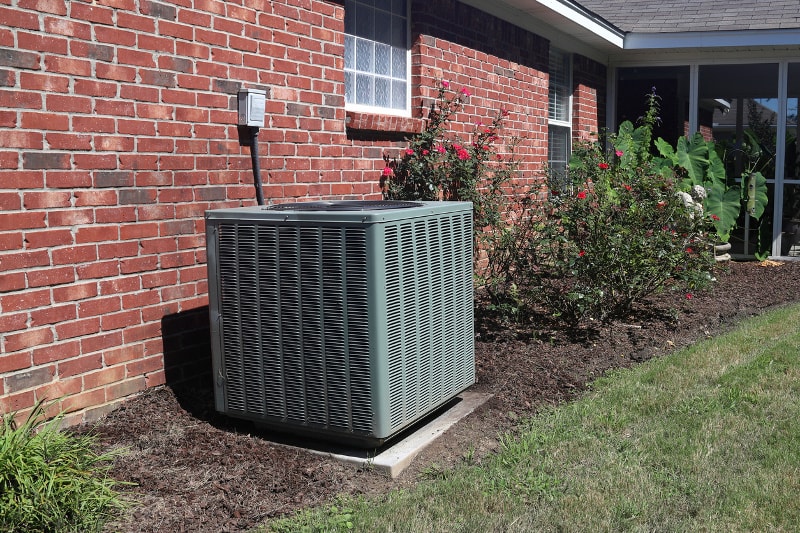
Is your heat pump working harder than it should to keep your home comfortable? If you’ve noticed rising energy bills, uneven temperatures, or longer heating and cooling cycles, your system’s efficiency may be declining. Even in Fort Ogden’s mild climate, several factors can affect how well your heat pump performs throughout the year.
Understanding what impacts heat pump efficiency can help you improve comfort, lower energy costs, and extend the life of your HVAC system. In this guide, we’ll explore the three biggest factors that influence heat pump heating efficiency, explain how to get the most from an energy efficient heat pump, and discuss when it may be time to upgrade to one of today’s high efficiency heat pumps.
What Is Heat Pump Efficiency and Why Does It Matter?
Heat pump efficiency describes how effectively a system uses electricity to heat or cool a home. A more efficient unit can maintain comfortable indoor temperatures while using less energy than an older or poorly performing system. For homeowners in Fort Ogden, improving heat pump efficiency can support lower utility costs, more consistent comfort, and reduced strain on HVAC equipment throughout the year.
How an Energy Efficient Heat Pump Works
An energy efficient heat pump does not create heat in the same way as a traditional furnace. Instead, it transfers heat from one location to another. During the summer, the system moves heat from inside your home to the outdoors. During cooler weather, it reverses the process and draws available heat from the outside air into your home.
Because heat pumps transfer heat rather than generate it, they can provide both heating and cooling from one system. Modern energy efficient heat pump systems may also include variable-speed components, advanced controls, and improved compressor technology to adjust output based on your home’s comfort needs.
Why Heat Pump Heating Efficiency Is Important in Florida
Florida homeowners rely heavily on their HVAC systems for much of the year. Although winters in Fort Ogden are generally mild, cooler mornings and seasonal cold fronts can still require dependable heating. Strong heat pump heating efficiency helps the system provide warmth without using more electricity than necessary.
Efficiency also matters during Florida’s long cooling season. A system that operates properly can maintain steady temperatures, manage indoor humidity, and avoid excessive cycling. This makes overall heat pumps efficiency important for both comfort and energy use in the local climate.
How Higher Efficiency Can Reduce Energy Costs
A high efficiency heat pump uses less electricity to deliver the same level of heating or cooling as a less efficient model. This can help reduce monthly energy costs, especially during periods of frequent HVAC use.
Higher efficiency can also reduce unnecessary system strain. When equipment does not have to run as long or cycle as often to reach the thermostat setting, components may experience less wear over time. Proper sizing, professional installation, regular maintenance, and good airflow all help high efficiency heat pumps deliver their expected performance.
1. Restricted Airflow Reduces Heat Pump Efficiency
Proper airflow is essential for maintaining heat pump efficiency. When air cannot move freely through the system, your heat pump has to work harder to heat or cool your home. This added strain can increase energy consumption, reduce indoor comfort, and place unnecessary wear on important HVAC components. Fortunately, many airflow issues can be prevented with routine maintenance and a few simple homeowner tasks.
Dirty Air Filters and Blocked Vents
A clogged air filter is one of the most common reasons a heat pump loses efficiency. As dust, pet hair, and other debris accumulate, the filter restricts airflow, making it harder for the system to circulate conditioned air throughout your home.
Blocked supply or return vents can create similar problems. Furniture, rugs, or closed vents may prevent proper air circulation, reducing overall heat pumps efficiency and causing uneven temperatures from room to room. Replacing your air filter regularly and keeping vents clear can help your system operate more effectively.
Outdoor Debris Around the Condenser Unit
The outdoor unit also needs unrestricted airflow to perform efficiently. Leaves, grass clippings, weeds, and other debris can collect around the condenser, limiting the system’s ability to release or absorb heat.
To help maintain an energy efficient heat pump, keep at least two feet of open space around the outdoor unit. Regularly removing vegetation and debris allows the system to operate more efficiently and reduces unnecessary stress on the equipment.
Dirty Indoor and Outdoor Coils
Over time, the evaporator and condenser coils can collect dirt, dust, and grime that interfere with heat transfer. When this happens, your heat pump must run longer to achieve the desired indoor temperature, reducing heat pump efficiency and increasing energy use.
Professional maintenance includes cleaning these coils to restore proper heat transfer and system performance. Keeping both the indoor and outdoor coils clean helps your heat pump deliver consistent comfort while operating as efficiently as possible throughout the year.
2. An Aging System Loses Efficiency Over Time
Even a well-maintained heat pump can become less efficient as it ages. Years of regular use can wear down key components, reduce overall performance, and make it harder for the system to maintain comfortable indoor temperatures. For Fort Ogden homeowners, recognizing the effects of an aging unit can help prevent rising energy costs and unexpected breakdowns.
How Older Heat Pumps Become Less Efficient
As heat pumps age, components such as the compressor, blower motor, coils, and electrical connections may no longer perform as effectively as they once did. Normal wear can cause the system to run longer or cycle more frequently to reach the thermostat setting.
Older equipment may also lack the advanced controls, variable-speed technology, and improved efficiency ratings found in newer energy efficient heat pump systems. Even with routine maintenance, an aging unit may eventually require more electricity to provide the same level of heating and cooling.
Signs Your Heat Pump Is No Longer Operating Efficiently
A noticeable increase in utility bills is one of the clearest signs that your heat pump may be losing efficiency. Other warning signs include uneven indoor temperatures, weak airflow, frequent cycling, unusual noises, longer operating times, and repeated repair needs.
You may also notice that the system struggles to control humidity or maintain your preferred temperature during periods of heavy use. These problems do not always mean immediate replacement is necessary, but they should be evaluated by an HVAC professional before they become more expensive.
When to Upgrade to a High Efficiency Heat Pump
It may be time to consider a high efficiency heat pump if your current system is more than 10 to 15 years old, needs frequent repairs, or no longer keeps your home comfortable without high energy use. Replacement may also make financial sense when the cost of repairing an older system approaches the cost of installing new equipment.
Modern high efficiency heat pumps are designed to provide more precise temperature control, quieter operation, and lower energy consumption than many older units. A professional HVAC evaluation can help you compare repair and replacement options and determine whether upgrading to one of today’s energy efficient heat pump systems is the right choice for your Fort Ogden home.
3. Thermostat Settings Can Affect Heat Pump Heating Efficiency
Your thermostat plays an important role in overall heat pump efficiency. Even a well-maintained system can use more energy than necessary when temperature settings change too often or are set too far from the current indoor temperature. Using the thermostat correctly can help your heat pump maintain steady comfort without placing unnecessary strain on the system.
Choosing the Right Temperature Settings
Consistent temperature settings generally help support better heat pump heating efficiency. During cooler weather, choose a comfortable setting and avoid raising the temperature several degrees at once. Large increases can cause some systems to rely on auxiliary heat, which may use more electricity.
During warmer months, setting the thermostat slightly higher when the home is unoccupied can also reduce energy use. The goal is to find a comfortable setting that does not require the heat pump to run excessively throughout the day.
Benefits of a Smart or Programmable Thermostat
A smart or programmable thermostat allows you to create a heating and cooling schedule based on your daily routine. It can automatically adjust the temperature while you are sleeping or away from home, then return the house to a comfortable setting before you wake up or arrive.
Some smart thermostats also provide energy-use reports, maintenance reminders, and remote access through a mobile device. When properly installed and configured for a heat pump system, these features can help improve comfort and support better heat pump efficiency.
Avoid Frequent Temperature Adjustments
Constantly changing the thermostat can cause the system to cycle more often or run for longer periods. This may increase energy consumption and create unnecessary wear on the equipment.
Instead of making repeated adjustments, select a reasonable temperature and allow the heat pump time to reach it. Gradual, scheduled changes are usually more efficient than sudden temperature swings and can help the system deliver more consistent heating and cooling.
4. Poor Ductwork and Air Leaks Waste Conditioned Air
How Leaky Ductwork Reduces Heat Pump Efficiency
Even the most efficient heat pump can struggle if conditioned air escapes through damaged or poorly sealed ductwork. Air leaks force the system to run longer to maintain the desired indoor temperature, increasing energy consumption and reducing overall heat pump efficiency.
Signs Your Ductwork May Be Leaking
Uneven temperatures, weak airflow, dusty rooms, and unexpectedly high energy bills may indicate leaking ductwork. If certain rooms are consistently warmer or cooler than others, your duct system could be preventing your heat pump from operating efficiently.
Professional Duct Sealing Can Improve Performance
Having your ductwork inspected and sealed by an HVAC professional can improve airflow, reduce energy waste, and help your heat pump distribute conditioned air more effectively throughout your home.
5. Low Refrigerant Levels Make Your Heat Pump Work Harder
Why Refrigerant Is Essential for Efficient Operation
Refrigerant is responsible for transferring heat between your home and the outdoor environment. When refrigerant levels are low due to a leak or other issue, the system cannot absorb or release heat as efficiently, reducing heat pump heating efficiency.
Common Signs of Low Refrigerant
Longer cooling cycles, poor heating performance, frozen coils, warm air from the vents, and rising energy bills are all potential signs of low refrigerant. These issues should be addressed promptly to avoid further damage to the system.
Leave Refrigerant Repairs to the Professionals
Handling refrigerant requires specialized training and equipment. A licensed HVAC technician can locate and repair leaks, restore the correct refrigerant charge, and verify that your heat pump is operating safely and efficiently.
6. Lack of Professional Maintenance Lowers Heat Pump Efficiency
Routine Tune-Ups Keep Your Heat Pump Performing Its Best
Regular maintenance helps ensure every component of your heat pump is operating correctly. During a professional tune-up, technicians inspect electrical connections, clean coils, check refrigerant levels, test airflow, and verify overall system performance.
Prevent Small Problems Before They Become Costly Repairs
Minor issues such as worn components, loose electrical connections, or clogged drain lines can gradually reduce efficiency if left unaddressed. Routine maintenance helps identify these concerns before they lead to expensive repairs or unexpected breakdowns.
Annual Maintenance Helps Maximize System Efficiency
Scheduling professional maintenance at least once a year can help improve heat pumps efficiency, support lower energy bills, extend equipment life, and keep your home comfortable throughout Florida’s heating and cooling seasons.
How to Improve Heat Pump Efficiency Year-Round
Improving heat pump efficiency does not always require a major upgrade. Consistent maintenance, proper airflow, and a well-sealed home can help your system use less energy while maintaining steady indoor comfort. These practical steps can also reduce unnecessary strain on the equipment and support more reliable performance throughout the year.
Replace Air Filters Regularly
A dirty air filter restricts airflow and forces the heat pump to work harder to circulate conditioned air. Check the filter every month and replace it according to the manufacturer’s recommendations, especially during periods of heavy heating or cooling use.
Homes with pets, allergy concerns, or higher dust levels may need more frequent filter changes. Keeping the filter clean is one of the simplest ways to support better heat pump efficiency and indoor air quality.
Keep the Outdoor Unit Clean
Leaves, grass clippings, dirt, and overgrown plants can block airflow around the outdoor unit. Remove visible debris and maintain clear space around the equipment so it can transfer heat properly.
Avoid placing objects against the unit, and trim nearby vegetation as needed. Before cleaning the equipment itself, follow the manufacturer’s instructions or contact an HVAC professional to prevent accidental damage.
Schedule Professional Heat Pump Maintenance
Routine professional maintenance helps identify problems that may be reducing system performance. During a service visit, a technician can inspect electrical components, clean coils, check refrigerant levels, test airflow, and confirm that the thermostat and other controls are working correctly.
Because a heat pump provides both heating and cooling, scheduling maintenance before periods of heavy seasonal use can help improve reliability and preserve heat pump heating efficiency.
Seal Air Leaks Around Your Home
Gaps around windows, doors, attic access points, and utility openings allow conditioned air to escape and outdoor air to enter. These leaks make the heat pump run longer to maintain the thermostat setting.
Weatherstripping, caulk, insulation, and professional duct sealing can reduce energy loss and improve indoor comfort. A tighter home helps an energy efficient heat pump deliver better results without using more electricity than necessary.
Why Fort Ogden Homeowners Trust Executive Cooling
Choosing the right HVAC company can make a major difference in your heat pump’s performance, reliability, and lifespan. Executive Cooling provides dependable heat pump services for Fort Ogden homeowners, with a focus on proper workmanship, clear recommendations, and long-term indoor comfort.
Experienced Heat Pump Specialists
Our experienced HVAC professionals understand how Florida’s heat, humidity, and mild winters affect heat pump performance. We carefully evaluate each home, identify system concerns, and recommend practical solutions based on the equipment’s condition and the homeowner’s comfort needs.
Whether you need help with an aging unit or want to improve heat pump efficiency, our team can provide professional guidance and service tailored to your system.
Professional Installation, Repairs, and Maintenance
Executive Cooling offers complete heat pump support, including professional installation, repairs, and routine maintenance. Proper installation helps ensure the system is correctly sized, charged, and configured, while timely repairs can address issues before they lead to larger problems.
Regular maintenance also helps keep coils clean, airflow unrestricted, electrical components secure, and refrigerant levels within the proper range. These services support dependable operation and help reduce unnecessary strain on the equipment.
Helping You Maximize Heat Pump Efficiency
Our goal is to help homeowners get the best possible performance from their heat pump systems. Through detailed inspections, professional maintenance, accurate repairs, and properly completed installations, we help protect comfort and support lower energy use.
If your system is running longer than usual, producing uneven temperatures, or increasing your utility bills, Executive Cooling can identify what may be affecting its performance and recommend the right next step for your Fort Ogden home.
FAQs About Impact of Heat Pump Efficiency
How can I improve my heat pump’s efficiency?
You can improve heat pump efficiency by replacing air filters regularly, keeping supply and return vents open, clearing debris from the outdoor unit, sealing air leaks, and using consistent thermostat settings. Professional maintenance is also important because a technician can clean coils, test airflow, inspect electrical components, and identify issues that may be increasing energy use.
How long does a heat pump remain energy efficient?
A well-maintained heat pump can remain efficient for many years, but performance may gradually decline as components wear down. Many systems last around 10 to 15 years, depending on installation quality, maintenance, usage, and local climate conditions. Rising energy bills, longer operating cycles, frequent repairs, and uneven temperatures may indicate that an older system is losing efficiency.
Are high efficiency heat pumps worth the investment?
High efficiency heat pumps can be a worthwhile investment for homeowners who want lower energy use, more consistent temperatures, quieter operation, and improved humidity control. The potential value depends on the age and condition of your current system, how often you use it, and whether the new equipment is correctly sized and professionally installed.
Does regular maintenance improve heat pump heating efficiency?
Yes. Routine maintenance can support better heat pump heating efficiency by keeping coils clean, airflow unrestricted, refrigerant levels correct, and electrical components in good condition. Regular service may also help prevent small performance issues from developing into expensive repairs or unexpected breakdowns.
Can Florida’s climate affect heat pump efficiency?
Yes. Florida’s long cooling season, high humidity, airborne debris, and heavy HVAC use can affect heat pump efficiency. Outdoor units may collect dirt, leaves, and grass more quickly, while excess humidity can make the system work harder to maintain comfort. Proper sizing, regular maintenance, clean airflow, and good thermostat habits can help a heat pump perform more efficiently in Fort Ogden’s climate.
Help your heat pump work smarter, not harder!
Maintaining good heat pump efficiency starts with understanding what affects your system’s performance. From proper airflow and thermostat settings to routine maintenance and timely upgrades, taking proactive steps can help lower energy costs, improve indoor comfort, and extend the life of your HVAC equipment. If your heat pump is no longer operating efficiently, having it inspected by a trusted HVAC professional can help you determine the best solution.
At Executive Cooling and Heating, we’re committed to helping homeowners stay comfortable year-round with expert Air Conditioning Repair Service in Punta Gorda, Air Conditioner Installation Services in Punta Gorda, Air Conditioner Maintenance Plans in Punta Gorda, and dependable Heating Services in Punta Gorda. Whether you need maintenance, repairs, or are considering a more energy-efficient heat pump, we’re here to help. We also offer convenient financing options for qualifying customers. Call us today at (941) 637-9800 or contact us to schedule your appointment. We look forward to helping you maximize your home’s comfort and efficiency.