
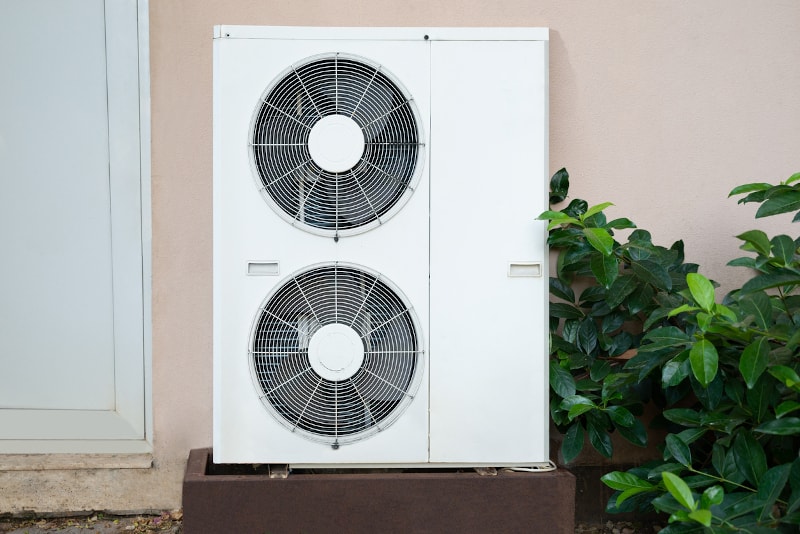
Your heat pump may still turn on even when one of its most important components is struggling. If you’re noticing weak heating or cooling, unusual noises, frequent breaker trips, or an outdoor unit that won’t start properly, you may be wondering how to know if your heat pump compressor is bad.
The compressor is essential for circulating refrigerant and allowing your heat pump to transfer heat effectively. However, a compressor not working on a heat pump does not automatically mean the compressor itself has failed. Capacitors, electrical components, refrigerant issues, and controls can cause similar symptoms. Below, we’ll explain how to tell if a heat pump compressor is bad, common warning signs to watch for, and when Cleveland, FL, homeowners should call a professional.
How to Know if Your Heat Pump Compressor Is Bad
Knowing how to know if your heat pump compressor is bad starts with understanding what the compressor does and how the system normally behaves. A failing compressor can affect heating, cooling, energy use, and system reliability, but several other HVAC problems can create similar symptoms. That is why professional diagnosis is important before assuming the compressor needs replacement.
What a Heat Pump Compressor Does
The compressor is responsible for pressurizing and circulating refrigerant through the heat pump system. That refrigerant carries heat between the indoor and outdoor coils, allowing the system to cool your home in warm weather and provide heat when temperatures drop.
Without a properly functioning compressor, the heat pump cannot complete the heat-transfer process effectively. This can lead to poor temperature control, longer run times, or a system that appears to be operating without actually heating or cooling well.
How a Healthy Compressor Should Operate
A healthy compressor should start when the thermostat calls for heating or cooling, run with a steady sound, and help the system maintain the selected temperature. The outdoor unit should operate without repeated breaker trips, excessive noise, or frequent failed startup attempts.
Normal operation varies by system, but sudden changes in sound, performance, or cycling should get your attention. If the compressor is not running on your heat pump while other components still operate, further inspection is needed.
Early Warning Signs of Compressor Trouble
Common signs of compressor trouble include loud humming or buzzing, grinding or rattling noises, poor heating or cooling, longer run times, frequent breaker trips, short cycling, and rising energy bills. You may also notice that the outdoor fan runs while the compressor does not start.
These symptoms can point to a bad compressor on a heat pump, but they can also result from a failed capacitor, contactor, refrigerant problem, or electrical issue. If several warning signs appear together, schedule professional HVAC service to determine the exact cause.
1. The Compressor Is Not Running on Your Heat Pump
If the compressor is not running on your heat pump, your system may struggle or completely fail to heat and cool your Cleveland, FL, home. However, a compressor that does not start is not automatically a failed compressor. Thermostat problems, electrical issues, capacitors, contactors, and safety controls can all prevent normal startup.
The Outdoor Unit Won’t Turn On
When the thermostat calls for heating or cooling but the outdoor unit does not respond, start with basic checks. Confirm that the thermostat is set correctly and check whether the HVAC circuit breaker has tripped.
If the breaker and thermostat appear normal but the outdoor unit still does not start, there could be a control, electrical, or compressor-related problem. Professional testing can identify which component is preventing operation.
The Fan Runs but the Compressor Doesn’t
Sometimes the outdoor fan will operate even though the compressor does not. You may hear the fan and assume the entire system is working, but your home may receive little heating or cooling because the refrigerant is not being circulated properly.
A failed capacitor, contactor, wiring issue, safety control, or bad compressor on the heat pump could be responsible. Because these problems can look similar without diagnostic testing, avoid assuming the compressor needs replacement based on this symptom alone.
Humming or Buzzing Without Compressor Startup
A loud hum or buzz from the outdoor unit may indicate that the compressor is receiving power but cannot start. A weak or failed capacitor, electrical problem, abnormal system pressure, or internal compressor damage can cause this behavior.
If you hear repeated humming or buzzing and the compressor is not working on your heat pump, turn the system off and schedule professional service. Repeatedly attempting to restart a struggling compressor may place additional stress on the equipment.
2. Weak Airflow or Poor Heating and Cooling Performance
A bad compressor on a heat pump can reduce the system’s ability to transfer heat effectively, leading to poor heating or cooling performance. Weak airflow itself is often related to filters, blower components, or ductwork, but when it appears alongside longer run times, unusual compressor noises, or startup problems, the system deserves professional attention.
Your Home Takes Longer to Reach the Set Temperature
If your heat pump previously maintained comfortable temperatures but now takes much longer to reach the thermostat setting, the system may be losing capacity. A struggling compressor can reduce refrigerant circulation and make it harder for the heat pump to transfer enough heat.
However, dirty coils, low refrigerant, restricted airflow, duct leaks, and extreme outdoor conditions can cause similar symptoms. A technician can determine whether the compressor or another component is responsible.
Air From the Vents Isn’t Warm or Cool Enough
When the system is in cooling mode, the air from your vents should be noticeably cooler than the room. During heating mode, a heat pump typically supplies moderately warm air rather than the very hot air associated with some other heating systems.
If the air suddenly feels much warmer during cooling or noticeably cooler during heating than it normally does, the heat pump may not be transferring heat effectively. A compressor not working on a heat pump is one possible cause, but refrigerant and control problems should also be considered.
Your Heat Pump Runs Constantly Without Improving Comfort
Longer heat pump cycles can be normal during periods of extreme weather. What is more concerning is a system that runs almost continuously while indoor comfort barely improves.
If constant operation occurs with poor temperature control, rising energy use, unusual noises, or a compressor not running on the heat pump consistently, schedule an HVAC inspection. Professional testing can identify the underlying issue before unnecessary strain leads to additional system problems.
3. A Bad Heat Pump Compressor Can Make Unusual Noises
Your heat pump will naturally make some noise while operating, but new, loud, or persistent sounds from the outdoor unit can signal trouble. Grinding, rattling, clanking, humming, or buzzing may indicate a bad compressor on a heat pump or a problem with one of the electrical or mechanical components that supports compressor operation. Changes in sound are especially concerning when they occur alongside poor heating or cooling performance.
Grinding, Rattling, and Clanking Sounds
Grinding noises can indicate mechanical wear or internal compressor problems, while rattling and clanking may result from loose components, damaged mounts, or parts moving where they should not. Not every unusual sound means the compressor itself has failed, so identifying where the noise originates is important.
If these sounds are loud, persistent, or getting worse, avoid continuing to run the heat pump unnecessarily. Professional inspection can help determine whether the compressor or another component requires repair.
Loud Humming or Buzzing From the Outdoor Unit
A steady operating hum can be normal, but unusually loud humming or buzzing deserves attention. If the compressor attempts to start but only produces a loud hum, it may be receiving power without successfully starting.
A failed capacitor, faulty contactor, wiring problem, abnormal refrigerant pressure, or internal compressor issue may be responsible. If the compressor is not running on your heat pump and repeated buzzing occurs, turn the system off and schedule service.
When Compressor Noises Require Professional Attention
Call an HVAC technician when unusual noises appear suddenly, become progressively louder, or occur with other warning signs such as breaker trips, burning odors, poor temperature control, or failed startup attempts.
These symptoms can help a technician determine how to tell if a heat pump compressor is bad or whether another component is causing the problem. Proper diagnostic testing is important because replacing a compressor unnecessarily can be far more expensive than correcting a capacitor, contactor, wiring, or refrigerant issue.
4. Your Heat Pump Keeps Tripping the Circuit Breaker
If your heat pump repeatedly trips the circuit breaker, the system may be drawing more electrical current than the circuit can safely handle. A bad compressor on a heat pump is one possible cause, but faulty wiring, a failing capacitor, a damaged contactor, or other electrical problems can produce the same symptom. Repeated breaker trips should be treated as a warning rather than an inconvenience.
How Compressor Problems Can Cause Excessive Electrical Draw
The compressor requires a significant amount of electricity when it starts and operates. If internal components are worn, damaged, or beginning to seize, the compressor may draw excessive current while attempting to start. The circuit breaker may then trip to interrupt power and protect the electrical system.
If the compressor is not running on your heat pump and the breaker trips whenever the system tries to start, the compressor or one of its supporting electrical components should be professionally tested.
Why You Shouldn’t Keep Resetting the Breaker
A breaker that trips once may result from a temporary issue, but repeated trips indicate that something needs attention. If the breaker trips again after one reset, do not continue switching it back on.
Repeatedly restoring power without addressing the underlying electrical problem can place additional stress on HVAC components. Avoid opening equipment panels or attempting electrical repairs yourself.
When Repeated Breaker Trips Require Professional Service
Schedule professional HVAC service if the breaker repeatedly trips, the outdoor unit will not start, or you hear buzzing or humming when the system attempts to operate. Burning odors, visible electrical damage, or signs of overheating require more immediate attention.
An HVAC technician can test the compressor, capacitor, contactor, wiring, and other electrical components to determine the cause. These checks are also an important part of determining how to know if your heat pump compressor is bad rather than assuming the compressor needs replacement.
5. Your Heat Pump Blows Warm Air When You Need Cooling
If your heat pump is set to COOL but the air coming from the vents feels warm or barely cool, the system may not be transferring heat properly. A bad compressor on a heat pump is one possible cause, but thermostat settings, refrigerant problems, airflow restrictions, and reversing valve issues can create similar symptoms. This is why professional diagnosis is important before assuming the compressor has failed.
How Compressor Problems Affect Heat Transfer
The compressor circulates refrigerant through the system so heat can be absorbed indoors and released outside. If the compressor is weak, struggling to start, or not running at all, refrigerant may not move through the system correctly.
As a result, the heat pump may continue blowing air without providing effective cooling. If the compressor is not working on your heat pump, you may also notice longer run times, rising energy bills, unusual outdoor-unit noises, or difficulty reaching the thermostat setting.
Why This Symptom Doesn’t Always Mean the Compressor Is Bad
Warm air from the vents does not automatically mean you have a bad compressor. An incorrect thermostat setting, dirty air filter, frozen coil, low refrigerant, or airflow problem can all reduce cooling performance.
Start by confirming that the thermostat is set to COOL and that the air filter is clean. If those basic checks do not help, an HVAC technician can determine how to tell if a heat pump compressor is bad or whether another component is responsible.
Refrigerant and Reversing Valve Problems to Consider
Low refrigerant from a leak can prevent the heat pump from absorbing and releasing heat effectively, leading to poor cooling performance. A malfunctioning reversing valve can also create problems because this component controls whether the heat pump operates in heating or cooling mode.
Both issues can mimic compressor failure. Professional testing of refrigerant pressures, system controls, and reversing valve operation can help identify the actual cause before major repairs are recommended.
6. Your Energy Bills Suddenly Increase
A sudden increase in energy bills can be another warning that your heat pump is no longer operating efficiently. While higher electricity costs can result from hotter weather, rate changes, or increased household use, unexplained increases combined with poor HVAC performance may indicate a developing problem. A bad compressor on a heat pump is one possible cause, especially when higher energy use appears alongside longer run times, unusual noises, or inconsistent temperatures.
A Struggling Compressor May Make the System Work Harder
The compressor plays a central role in circulating refrigerant and allowing the heat pump to transfer heat. If it begins losing performance, the system may have difficulty providing the heating or cooling your Cleveland home needs.
A struggling compressor may cause the heat pump to operate longer or less efficiently. However, higher energy use alone does not confirm compressor failure. Dirty filters, refrigerant problems, dirty coils, duct leaks, and other issues can also reduce efficiency.
Longer Heating and Cooling Cycles Increase Energy Use
When a heat pump cannot reach the thermostat setting efficiently, it may remain on for extended periods. Longer cycles mean the compressor, fans, and other components operate for more hours, potentially increasing electricity consumption.
If your system seems to run constantly without noticeably improving comfort, have it inspected. A compressor not working on a heat pump properly is one possibility, but the entire system should be evaluated before determining the cause.
Compare Current Energy Consumption With Previous Months
Compare your current electricity usage with previous months and the same period in prior years. Consider changes in outdoor temperatures, thermostat settings, occupancy, utility rates, and household habits when looking for unusual patterns.
If energy consumption has consistently increased while your heat pump’s performance has declined, schedule professional service. A technician can evaluate system efficiency and help determine how to know if your heat pump compressor is bad or whether another HVAC issue is driving up energy use.
7. Your Heat Pump Is Short Cycling
Short cycling happens when your heat pump turns on, runs briefly, shuts off, and then starts again soon afterward. This pattern can reduce comfort, increase energy use, and place extra wear on system components. A bad compressor on a heat pump can contribute to short cycling, but several other HVAC problems can cause the same symptom.
Why a Heat Pump Starts and Stops Frequently
Frequent cycling may occur when the system cannot complete a normal heating or cooling cycle. Thermostat problems, airflow restrictions, electrical issues, refrigerant problems, or equipment sizing can all cause the heat pump to shut down too soon.
If the system repeatedly starts and stops while struggling to reach the thermostat setting, professional diagnosis can help identify the underlying cause.
How Compressor Overheating Can Affect Cycling
A compressor that is overheating may trigger built-in safety controls that shut the system down temporarily. Once the compressor cools, the heat pump may try to start again, creating a repeated on-and-off pattern.
Overheating can be caused by electrical problems, dirty coils, restricted airflow, refrigerant issues, or internal compressor wear. If the compressor is not running on your heat pump consistently, or the system keeps restarting after short pauses, have it inspected before more serious damage occurs.
Other HVAC Problems That Cause Short Cycling
Short cycling does not automatically mean the compressor is bad. A clogged air filter, faulty thermostat, low refrigerant, frozen coil, dirty condenser, electrical control problem, or improperly sized system can all create similar behavior.
Because these issues often overlap, professional testing is the best way to determine how to tell if a heat pump compressor is bad or whether another component is responsible for the frequent cycling.
Why Is the Compressor Not Working on My Heat Pump?
If the compressor is not working on your heat pump, the compressor itself may not always be the problem. Several electrical, control, refrigerant, and mechanical issues can prevent it from starting or running properly. Because many of these problems create similar symptoms, professional testing is often needed before concluding that you have a bad compressor on a heat pump.
Failed Capacitor or Contactor
The capacitor helps provide the electrical boost needed to start and run the compressor, while the contactor controls power to the outdoor unit. If either component fails, the compressor may not start even though other parts of the heat pump are still operating.
A failed capacitor or contactor can sometimes make it look like the compressor itself has failed. An HVAC technician can test these components and determine whether a smaller electrical repair can restore normal operation.
Thermostat or Control Problems
The thermostat tells the heat pump when to start heating or cooling. If it is set incorrectly, loses power, or has a sensor or wiring problem, the compressor may never receive the signal to turn on.
Control board issues can also interrupt communication between the thermostat and outdoor unit. If the thermostat appears normal but the compressor is not running on your heat pump, the control system may need professional inspection.
Electrical and Wiring Issues
Loose connections, damaged wiring, tripped breakers, blown fuses, or electrical faults can prevent power from reaching the compressor. These problems may also cause repeated breaker trips, buzzing, intermittent operation, or failed startup attempts.
Because the outdoor unit contains high-voltage components, electrical troubleshooting and repairs should be handled by a qualified HVAC professional.
Low Refrigerant or Refrigerant Leaks
Low refrigerant can create abnormal pressure conditions inside the heat pump. Some systems may shut the compressor down through built-in safety controls when those pressures move outside the normal operating range.
Signs of a refrigerant issue may include poor heating or cooling, frozen coils, hissing sounds, or longer run times. Since refrigerant does not normally get used up, low levels usually indicate a leak that needs professional repair.
Compressor Overheating
The compressor can overheat when airflow is restricted, coils are dirty, refrigerant conditions are incorrect, or electrical components are malfunctioning. When temperatures become too high, internal protection devices may shut the compressor down temporarily.
If the compressor repeatedly stops and restarts after cooling, do not ignore the pattern. Ongoing overheating can contribute to more serious compressor damage.
Internal Compressor Failure
In some cases, the compressor itself has suffered internal mechanical or electrical damage. Worn motor windings, seized components, or internal wear can prevent it from starting or running normally.
A compressor not working on a heat pump does not automatically mean replacement is required, so proper diagnostic testing should come first. A technician can determine whether the problem is repairable or whether compressor or system replacement makes more sense.
What Causes a Bad Compressor on a Heat Pump?
A bad compressor on a heat pump can result from several problems that place the system under excessive strain over time. Refrigerant issues, dirty coils, electrical faults, poor airflow, skipped maintenance, and normal aging can all contribute to compressor damage. Understanding these causes can help homeowners reduce avoidable wear and recognize when professional service is needed.
Improper Refrigerant Charge
A heat pump needs the correct amount of refrigerant to operate properly. Too little refrigerant, often caused by a leak, can create abnormal pressure conditions and force the compressor to work harder. An overcharged system can also increase pressure and strain the compressor.
Because refrigerant levels should remain stable in a sealed system, low refrigerant usually indicates a leak that needs professional diagnosis and repair.
Dirty Coils and Restricted Airflow
Dirty evaporator or condenser coils make it harder for the heat pump to transfer heat efficiently. Restricted airflow from clogged filters, blocked vents, or debris around the outdoor unit can create similar problems.
When heat transfer is reduced, the compressor may run longer and under more stress. Over time, this added workload can contribute to overheating and premature compressor wear.
Electrical Problems and Power Surges
Voltage fluctuations, loose wiring, damaged capacitors, faulty contactors, and power surges can all affect compressor operation. Electrical problems may prevent the compressor from starting correctly or expose it to conditions that damage internal components.
If the breaker keeps tripping, the outdoor unit buzzes, or the compressor is not running on your heat pump, stop operating the system and schedule professional service.
Lack of Routine Heat Pump Maintenance
Skipping maintenance allows small problems to go unnoticed. Dirty coils, poor airflow, loose electrical connections, and refrigerant issues can gradually place more strain on the compressor.
Routine professional maintenance gives technicians a chance to identify these concerns early and help keep the system operating within normal conditions.
Normal Wear and System Age
Even a well-maintained compressor will eventually wear down after years of heating and cooling cycles. Internal parts, motor windings, and electrical components can deteriorate over time, especially in Florida, where heat pumps may operate for much of the year.
If an older system develops major compressor problems, replacement may be more practical than repair. An HVAC professional can compare the system’s age, condition, efficiency, and repair costs to help determine the best next step.
What to Do if Your Heat Pump Compressor Is Not Running
If the compressor is not running on your heat pump, a few simple checks can help rule out common problems before you schedule professional service. Start with the thermostat, breaker, air filter, and outdoor unit, but avoid opening equipment panels or attempting electrical or refrigerant repairs. A compressor problem involves components that require specialized tools and training to diagnose safely.
Check the Thermostat Settings
Make sure your thermostat is set to the correct heating or cooling mode and that the desired temperature is appropriate. If the thermostat uses batteries, replace them if the display is dim, blank, or unresponsive.
If the thermostat appears to work normally but the outdoor unit or compressor does not respond, a control, wiring, or equipment problem may be preventing startup.
Check the Circuit Breaker Once
Check your electrical panel to see whether the breaker supplying the heat pump has tripped. If there are no signs of burning or electrical damage, follow the breaker’s instructions to reset it once.
If the breaker trips again, stop resetting it. Repeated trips may indicate a short circuit, excessive electrical draw, failing component, or bad compressor on the heat pump that requires professional diagnosis.
Inspect and Replace a Dirty Air Filter
A clogged filter restricts airflow and can make the heat pump work harder than necessary. Severe airflow restriction can also contribute to frozen coils, overheating, and other performance problems.
Inspect the filter and replace it if it is visibly dirty or has reached the manufacturer’s recommended replacement interval. Although a new filter will not repair a failed compressor, maintaining proper airflow can help eliminate one potential source of system trouble.
Keep the Outdoor Unit Clear of Debris
Leaves, grass clippings, vegetation, and other debris can restrict airflow around the outdoor unit. Keep the surrounding area clear and remove loose debris you can safely reach without opening the equipment.
Avoid using tools or removing panels to clean internal components. If the outdoor coil is heavily soiled, professional cleaning is the safer approach.
Avoid DIY Compressor and Electrical Repairs
If basic troubleshooting does not restore operation, do not attempt to test capacitors, repair wiring, handle refrigerant, or work on the compressor yourself. Heat pumps contain high-voltage components, and capacitors can retain an electrical charge even after power is disconnected.
An HVAC technician can safely test the compressor, capacitor, contactor, controls, wiring, and refrigerant conditions. Professional diagnosis is the most reliable way to determine how to know if your heat pump compressor is bad or whether another component is preventing it from running.
When a Bad Compressor on a Heat Pump Requires Professional Repair
A bad compressor on a heat pump is not something homeowners should try to diagnose or repair internally. If the system is making unusual noises, tripping breakers, producing electrical odors, or no longer heating and cooling properly, professional service is the safest next step. These symptoms can point to compressor trouble, but they may also involve capacitors, contactors, wiring, refrigerant, or other HVAC components.
The Compressor Hums but Won’t Start
If the compressor hums or buzzes but does not start, it may be receiving power without successfully turning on. A failed capacitor, faulty contactor, electrical problem, abnormal refrigerant pressure, or internal compressor issue could be responsible.
If the compressor is not running on your heat pump after repeated startup attempts, turn the system off and schedule professional service. Continuing to force startup may place additional strain on the equipment.
Your Circuit Breaker Keeps Tripping
A breaker that repeatedly trips can indicate excessive electrical draw, damaged wiring, a short circuit, or a compressor that is struggling to start. Do not keep resetting the breaker after it trips more than once.
Repeated breaker trips should be inspected by an HVAC professional, especially if the problem occurs when the outdoor unit or compressor tries to start.
You Notice Burning or Electrical Odors
Burning smells, electrical odors, buzzing, visible wire damage, or signs of overheating require prompt attention. Turn the system off if you can do so safely and avoid touching wiring, capacitors, or electrical panels.
These symptoms may indicate a serious electrical problem that could damage the compressor or other HVAC components if the system continues operating.
Your Heat Pump No Longer Heats or Cools Properly
If the heat pump runs but provides little or no heating or cooling, the compressor may not be circulating refrigerant effectively. However, low refrigerant, a reversing valve problem, frozen coils, or control issues can produce similar symptoms.
A professional can test the system and determine how to tell if a heat pump compressor is bad or whether another repairable component is responsible.
Basic Troubleshooting Doesn’t Restore Operation
If you have checked the thermostat, inspected the air filter, checked the breaker once, and cleared debris around the outdoor unit but the compressor still will not run, stop troubleshooting there.
An HVAC technician can test the compressor, electrical components, controls, and refrigerant system to identify the actual failure. Accurate diagnosis can help you avoid unnecessary compressor replacement and determine whether repair or full system replacement offers the better long-term solution.
How to Help Prevent Heat Pump Compressor Problems
The compressor is one of the hardest-working components in your heat pump, especially in Florida, where the system may operate throughout much of the year. While not every bad compressor on a heat pump can be prevented, routine care can reduce unnecessary strain and help identify conditions that may contribute to premature failure.
Replace Air Filters Regularly
A dirty air filter restricts airflow through the HVAC system, making it harder for the heat pump to transfer heat effectively. Severe airflow restrictions can contribute to frozen coils, longer run times, and additional stress on the equipment.
Check your filter regularly and replace it according to the manufacturer’s recommendations. Homes with pets, higher dust levels, or frequent HVAC use may need more frequent filter changes.
Keep Coils and the Outdoor Unit Clean
Dirt and debris on the indoor or outdoor coils can interfere with heat transfer and force the system to work harder. Keep leaves, grass clippings, vegetation, and other debris away from the outdoor unit so air can circulate freely.
If the coils need deeper cleaning, leave the job to an HVAC professional to avoid damaging delicate components.
Address Refrigerant Problems Promptly
Low refrigerant, leaks, or an improper refrigerant charge can create abnormal operating pressures and place additional stress on the compressor. Warning signs may include frozen coils, poor heating or cooling, hissing sounds, or unusually long run times.
Refrigerant problems require professional diagnosis. Simply adding refrigerant without locating and addressing a leak may not correct the underlying issue.
Schedule Routine Professional Heat Pump Maintenance
Professional maintenance allows a technician to inspect components homeowners cannot safely evaluate. Service may include checking electrical connections, refrigerant conditions, coils, airflow, controls, and overall heat pump performance.
Regular maintenance can help identify problems such as failing capacitors, dirty coils, or abnormal system conditions before they contribute to a compressor not working on a heat pump.
Don’t Ignore Changes in System Performance
Pay attention when your heat pump suddenly becomes louder, takes longer to reach the thermostat setting, cycles unusually, trips the breaker, or causes an unexplained increase in energy use. These changes may indicate that a component is beginning to fail.
Addressing smaller problems early can reduce unnecessary strain on the compressor and other components. If something about your system’s operation changes noticeably, scheduling professional service sooner can help prevent a minor issue from becoming a larger repair.
Professional Heat Pump Compressor Service in Cleveland, FL
If your heat pump compressor isn’t working, professional diagnosis can help determine whether the compressor itself has failed or another component is causing the problem. Executive Cooling provides heat pump service in Cleveland, FL, with a focus on accurate troubleshooting, safe repairs, and restoring reliable heating and cooling performance.
Diagnose Why Your Heat Pump Compressor Isn’t Working
A compressor can fail to start or run properly because of a bad capacitor, faulty contactor, electrical issue, refrigerant problem, thermostat or control fault, overheating, or internal compressor damage. Our technicians inspect the system carefully to identify the actual cause before recommending a repair.
This approach helps avoid unnecessary compressor replacement and gives you a clearer picture of what is affecting your heat pump.
Professional Heat Pump and Compressor Repair
If the issue can be repaired, our team can address the necessary electrical, refrigerant, control, or compressor-related problem and test the system afterward to confirm proper operation. We can also inspect related components such as coils, airflow, wiring, and refrigerant conditions that may have contributed to the failure.
If you do have a bad compressor on your heat pump, we can explain whether compressor replacement or full system replacement is the more practical option based on the age and condition of your equipment.
Schedule Heat Pump Service With Executive Cooling
If the compressor is not running on your heat pump, keeps humming without starting, trips the breaker, or no longer provides dependable heating or cooling, Executive Cooling is ready to help.
Schedule heat pump service with Executive Cooling today and let our experienced technicians diagnose the problem, explain your options, and help restore reliable comfort to your Cleveland, FL, home.
FAQs About Heat Pumps in Cleveland, FL
How do I know if my heat pump compressor is bad?
Common signs include poor heating or cooling, unusual compressor noises, repeated breaker trips, short cycling, longer run times, or an outdoor fan that runs while the compressor does not. Professional testing is the most reliable way to determine how to know if your heat pump compressor is bad because several other HVAC problems can create similar symptoms.
What are the first signs of a bad compressor on a heat pump?
Early warning signs may include humming or buzzing at startup, reduced heating or cooling performance, longer system cycles, rising energy bills, or intermittent compressor operation. A bad compressor on a heat pump may worsen gradually before the system stops working completely.
Why is the compressor not running on my heat pump?
A compressor not running on a heat pump can be caused by a failed capacitor, faulty contactor, thermostat issue, electrical problem, refrigerant leak, overheating, or internal compressor failure. Since these issues can look similar, professional diagnosis is usually needed.
Can a heat pump run with a bad compressor?
Some parts of the heat pump may still operate even if the compressor is bad. For example, the indoor blower or outdoor fan may continue running, but the system will not be able to transfer heat effectively, so heating or cooling performance may be very limited.
Why does my heat pump compressor hum but not start?
A compressor that hums but does not start may be receiving power without being able to turn on properly. Possible causes include a weak capacitor, faulty contactor, electrical problem, abnormal refrigerant pressures, or internal compressor damage.
Can a bad capacitor look like a bad compressor?
Yes. A failed capacitor can prevent the compressor from starting and may cause humming or buzzing, making it appear that the compressor itself has failed. Testing the capacitor and other electrical components is an important part of determining how to tell if a heat pump compressor is bad.
What causes a heat pump compressor to go bad?
Common causes include improper refrigerant charge, dirty coils, restricted airflow, electrical problems, power surges, overheating, skipped maintenance, and normal wear over time. Addressing smaller HVAC issues early can help reduce unnecessary stress on the compressor.
Is it worth replacing a bad compressor on an older heat pump?
It depends on the age, condition, efficiency, repair history, and overall value of the system. If the heat pump is more than 10 to 15 years old or has other major problems, replacing the entire system may offer better long-term value than replacing the compressor alone. A professional can help compare both options.
When Your Compressor Skips a Beat, Call the Comfort Experts!
Knowing how to recognize a bad heat pump compressor can help you address problems before they lead to a complete system breakdown. If you notice unusual noises, poor heating or cooling, frequent breaker trips, short cycling, or a compressor that will not start, professional diagnosis can determine whether the compressor or another component is responsible.
At Executive Cooling and Heating, we’re ready to help keep your home or business comfortable with Residential HVAC services in Punta Gorda, Commercial HVAC services in Punta Gorda, Heating services in Punta Gorda, Air Conditioning Repair Service in Punta Gorda, Air Conditioner Installation Services in Punta Gorda, Air Conditioner Maintenance Plans in Punta Gorda, and Indoor Air Quality Services in Punta Gorda. We also offer convenient financing options for qualifying customers. Call us at (941) 637-9800 or contact us, and we’ll get to the heart of your heat pump problem before compressor trouble puts the squeeze on your comfort.