
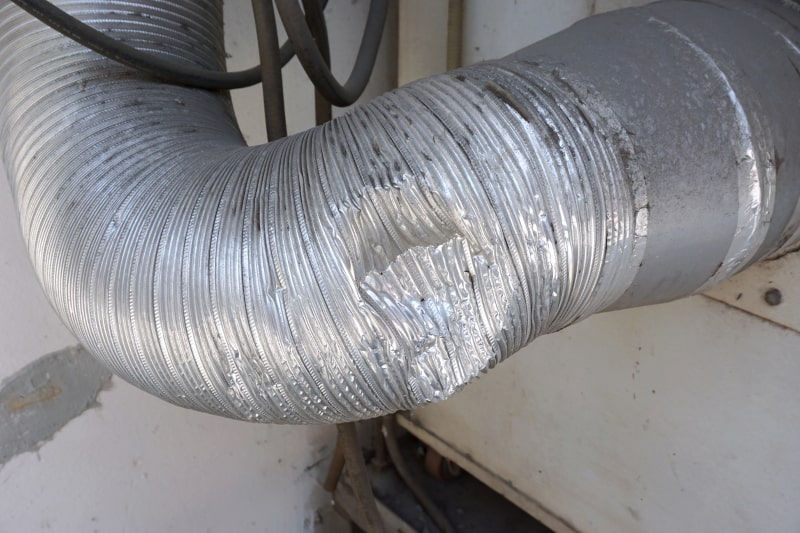
Your HVAC system can be working properly while damaged ductwork quietly wastes conditioned air behind your walls, ceilings, or attic. Leaks, crushed sections, moisture, pests, and poor installation can all reduce airflow, increase energy use, and make it harder to keep your Cleveland, FL, home comfortable.
So, what causes damaged ductwork, and how can you tell when your HVAC ductwork needs attention? Understanding the most common causes of faulty ductwork can help you recognize problems early and determine when professional ductwork repair or replacement may be necessary.
What Is Ductwork and Why Does It Matter?
Ductwork is the network of passages that carries heated or cooled air from your HVAC system to the rooms throughout your home. It also includes return ducts that move air back to the system to be conditioned again. When your HVAC ductwork is properly designed, sealed, and maintained, it helps distribute conditioned air efficiently and consistently.
How HVAC Ductwork Moves Conditioned Air
Your HVAC system conditions air and sends it through supply ducts to different areas of your home. Return ducts then carry air back to the system, where it can be filtered and conditioned again.
The size, layout, insulation, and condition of your air conditioning ductwork all affect how effectively air moves through the home. Properly connected and sealed ducts help deliver the right amount of conditioned air to each room without unnecessary losses along the way.
Why Damaged Ductwork Can Affect Comfort and Efficiency
Damaged ductwork can leak conditioned air before it reaches your living spaces. Cracks, disconnected sections, crushed ducts, damaged insulation, or loose connections can reduce airflow and make your HVAC system work harder to maintain the thermostat setting.
This can contribute to uneven temperatures, longer cooling cycles, increased energy consumption, and additional wear on HVAC equipment. In Florida, where air conditioning may run frequently, problems with AC ductwork can have an especially noticeable effect on comfort and operating costs.
Signs Your Ductwork May Have a Problem
Common warning signs of faulty ductwork include weak airflow from certain vents, rooms that remain warmer or cooler than others, unusual increases in energy bills, excessive dust, or HVAC systems that run longer than expected.
You may also notice visible gaps, tears, crushed sections, or disconnected ducts if portions of the duct system are accessible. If you suspect a problem, a professional inspection can help determine whether your ductworks need sealing, repair, or replacement.
8 Common Causes of Damaged Ductwork in Cleveland, FL
1. Improper Ductwork Installation
Poor installation is one of the most common reasons HVAC ductwork develops problems. Duct sections that are not properly connected, sealed, insulated, or supported can develop air leaks and airflow restrictions.
Incorrect duct sizing or an inefficient duct layout can also prevent your HVAC system from distributing air properly. Professional installation helps ensure that your air conditioning ductwork is appropriately sized, connected, and sealed for your home’s needs.
2. Physical Damage to HVAC Ductwork
Ductwork can be crushed, torn, punctured, or disconnected by physical impact. This can happen during remodeling projects, when items are stored near accessible ducts, or when people work around ductwork in attics and other tight spaces.
Even relatively small damage can interfere with airflow. A crushed section may restrict air movement, while a tear or disconnected joint can allow conditioned air to escape before reaching the intended room.
3. Aging Ductwork and Normal Wear
Ductwork does not last forever. As it ages, insulation can deteriorate, seals can loosen, and duct materials can become damaged or less effective. Connections that were once tight may eventually develop gaps that allow conditioned air to escape.
Older ductworks should be inspected when you notice changes in airflow, comfort, or energy use. Depending on the extent of the deterioration, individual sections may be repaired, while severely deteriorated duct systems may be better candidates for replacement.
4. Insects, Rodents, and Other Pests
Pests can cause significant damage to ductwork, particularly when ducts are located in attics, crawl spaces, or other areas where animals and insects can access them. Rodents may chew through flexible duct materials or insulation, while other pests can create openings or disturb connections.
Unusual odors, visible droppings, scratching sounds, or signs of nesting near the duct system may indicate a pest problem. Damaged ducts can also allow unwanted particles and contaminants into the air distribution system, potentially affecting indoor air quality.
5. Moisture and Condensation
Florida’s warm, humid climate can create conditions where excess moisture becomes a concern for ductwork. Condensation can develop when humid air comes into contact with cold duct surfaces, particularly when insulation is damaged or insufficient.
Persistent moisture can deteriorate duct materials and insulation and may contribute to microbial growth. If you notice moisture, staining, musty odors, or deteriorating insulation around your AC ductwork, have the source investigated rather than simply treating the visible damage.
6. Poor Duct Design and Improper Sizing
Ductwork needs to be properly sized and designed to support the airflow requirements of your HVAC system. Undersized ducts can restrict airflow and increase system resistance, while oversized or poorly designed ducts may not distribute conditioned air effectively throughout the home.
Poorly planned duct layouts can also create unnecessary bends, restrictions, or imbalances between different areas of the house. Professional duct design helps ensure that air can move efficiently from the HVAC equipment to the rooms that need it.
7. Loose Connections and Failed Duct Seals
Even when ductwork itself is not visibly damaged, loose connections can create significant air leaks. Over time, sealants and connection points can deteriorate, leaving gaps where conditioned air escapes.
Leaking ductwork means some of the air your HVAC system has already cooled may never reach your living spaces. As a result, the system may need to operate longer to maintain the thermostat setting, potentially increasing energy consumption and reducing comfort.
8. Excessive Pressure and Poorly Supported Ducts
Excessive pressure within the duct system can place additional stress on duct materials and connections. If ducts are not properly supported, they may sag, collapse, or develop restricted sections that interfere with airflow.
Sagging or compressed flexible ducts can be especially problematic because bends and kinks can narrow the passage available for air. Correct support and installation help maintain the intended shape of the ductwork and allow air to move more freely throughout the system.
How Damaged Ductwork Affects Your HVAC System
Damaged ductwork can affect much more than the air coming from your vents. Leaks, crushed sections, poor connections, and deteriorating insulation can make it harder for your HVAC system to distribute conditioned air effectively. Over time, these problems can affect comfort, energy use, indoor air quality, and the overall performance of your system.
Higher Energy Bills
Leaky or poorly insulated HVAC ductwork can allow cooled air to escape before it reaches your living spaces. Your system may then need to run longer to reach and maintain the thermostat setting, increasing energy consumption.
If your energy bills suddenly increase without a major change in how you use your HVAC system, faulty ductwork could be one possible cause.
Weak or Uneven Airflow
Ducts that are crushed, disconnected, poorly sized, or obstructed can restrict the amount of air reaching certain rooms. You may notice that some vents have significantly weaker airflow than others or that certain rooms consistently feel warmer or cooler.
Uneven airflow can make it difficult for your HVAC system to maintain consistent comfort throughout the home.
Longer Heating and Cooling Cycles
When conditioned air escapes through leaks or airflow is restricted, your HVAC system may have to operate for longer periods to satisfy the thermostat. Longer cycles can increase energy use and place additional strain on system components.
In Florida, where air conditioning systems often run for extended periods, problems with air conditioning ductwork can become particularly noticeable during hot weather.
Poor Indoor Air Quality
Damaged or poorly sealed ductwork can allow dust, insulation particles, and other unwanted contaminants to enter the air distribution system, particularly when ducts are located in areas such as attics or crawl spaces.
Moisture and pest damage can create additional concerns. If you notice excessive dust, musty odors, or unusual particles around your vents, a professional inspection can help determine whether your ductwork is contributing to the problem.
Increased HVAC Wear and Tear
When your HVAC system must work harder to compensate for leaking or restricted ducts, its components may experience additional operating strain. Longer run times can contribute to wear on motors, compressors, fans, and other components over time.
Repairing damaged ductwork can help restore proper airflow and reduce unnecessary strain on your HVAC system, potentially supporting more reliable performance and helping you avoid larger problems in the future.
5 Signs You May Have Damaged or Leaking Ductwork
1. Some Rooms Are Harder to Keep Comfortable
If certain rooms consistently feel warmer or cooler than the rest of your home, your ductwork could be contributing to the problem. Leaks, restrictions, poor duct sizing, or disconnected sections can prevent enough conditioned air from reaching specific areas.
While uneven temperatures can have several causes, persistent comfort problems are a good reason to have your duct system inspected.
2. Airflow From the Vents Feels Weak
Weak airflow from one or more vents can indicate a restriction, disconnected duct, crushed section, or significant leak. If airflow has noticeably decreased compared with how your system normally operates, faulty ductwork may be one possible cause.
A professional can inspect the accessible portions of the system and evaluate whether airflow problems are coming from the ductwork or another HVAC component.
3. Unexplained Increases in Energy Bills
A sudden increase in energy use without a corresponding change in your thermostat settings or HVAC habits may indicate that your system is working harder than it should. Leaking air conditioning ductwork can allow conditioned air to escape, forcing the system to operate longer to maintain your desired temperature.
Energy bills alone cannot confirm a ductwork problem, but they can be an important warning sign when combined with other symptoms.
4. Dust or Unusual Odors Around Your Vents
Excessive dust or unusual odors coming from your vents may indicate an issue with your duct system. Damaged or poorly sealed ducts can potentially allow particles or odors from attic and crawl-space areas to enter the air distribution system.
Musty odors may also point to moisture concerns, while unusual smells could indicate pest activity or other problems that require further investigation.
5. Visible Damage to Exposed Ductwork
Some ductwork is accessible in attics, garages, utility areas, or other spaces. If you can safely see the ducts, look for obvious signs of damage such as tears, gaps, disconnected sections, crushed areas, sagging, or deteriorating insulation.
Do not attempt to repair damaged ducts yourself if the system is difficult to access or the problem involves electrical or HVAC equipment. A professional inspection can determine the extent of the damage and whether the damaged ductwork can be repaired or should be replaced.
How to Prevent Damaged Ductwork
Preventing ductwork problems starts with regular attention to the condition of your HVAC system and the spaces where your ducts are installed. While normal wear and unexpected damage cannot always be avoided, routine inspections and timely repairs can help reduce the risk of leaks, airflow restrictions, and other ductwork problems.
Schedule Routine HVAC Ductwork Inspections
Regular inspections can help identify loose connections, damaged insulation, leaks, sagging sections, and other issues before they become more serious. A professional can also check accessible areas of your HVAC ductwork for signs of deterioration or improper airflow.
Finding a small problem early may allow you to repair a section of ductwork rather than waiting until the entire system is affecting your home’s comfort and efficiency.
Keep Ductwork Away From Physical Damage
Ducts installed in attics, garages, crawl spaces, and storage areas can be vulnerable to accidental damage. Avoid placing heavy items against exposed ducts or walking on flexible ductwork when accessing your attic.
If you’re completing remodeling or construction work near your ducts, protect the system from tools, debris, and accidental impacts. Taking these precautions can help prevent crushed, punctured, or disconnected sections.
Address Moisture and Pest Problems Quickly
Moisture and pest activity can both contribute to damaged ductwork. Address leaks, condensation, excessive humidity, and other moisture problems promptly to reduce the risk of deteriorating insulation or microbial growth.
Likewise, if you notice signs of rodents, insects, or other pests near your duct system, have the underlying problem addressed. Repairing the ductwork without dealing with the pest issue may allow the damage to happen again.
Maintain Proper HVAC Airflow
Maintaining good airflow throughout your HVAC system can help reduce unnecessary strain on the equipment and duct system. Replace dirty air filters according to the manufacturer’s recommendations and make sure supply and return vents are not blocked by furniture, rugs, or other objects.
Proper airflow also makes it easier for your HVAC system to distribute conditioned air throughout the home without unnecessary restrictions.
Have Ductwork Professionally Sealed and Repaired
If you discover gaps, leaks, disconnected sections, or deteriorating insulation, have the faulty ductwork professionally evaluated. Proper sealing and repairs can help prevent conditioned air from escaping and restore more efficient airflow.
Avoid relying on temporary fixes for significant ductwork problems. A professional can determine whether individual sections can be repaired or whether replacement is a better long-term solution for your home’s air conditioning ductwork.
Professional Ductwork Services in Cleveland, FL
When damaged ductwork affects airflow, comfort, or HVAC efficiency, professional service can help identify the underlying problem and determine the right solution. Because much of your duct system may be located in attics, ceilings, walls, or other difficult-to-access areas, a professional evaluation can help uncover problems that are not immediately visible.
Inspecting Damaged Ductwork
A professional ductwork inspection can identify issues such as disconnected sections, air leaks, crushed or sagging ducts, deteriorating insulation, and signs of moisture or pest damage. The condition of the ductwork can also be evaluated alongside overall HVAC performance to determine whether airflow problems are related to the ducts or another component.
Ductwork Repair and Sealing
Depending on the condition of your system, individual sections of faulty ductwork may be repaired, reconnected, sealed, or insulated. Proper sealing helps reduce conditioned-air loss and can improve the amount of air reaching your living spaces.
If the duct system is severely deteriorated or has widespread problems, replacement may be a more practical long-term solution. A professional can help you understand the available options based on your home’s needs.
Improving Airflow and HVAC Efficiency
Well-maintained ductwork helps your HVAC system distribute conditioned air more effectively. Addressing leaks, restrictions, and damaged sections can improve airflow and may help reduce the amount of time your system needs to operate to maintain comfortable temperatures.
Proper HVAC ductwork is also an important part of overall system performance. Duct repairs should be considered alongside appropriate maintenance, filtration, and airflow management.
Schedule Ductwork Service With Executive Cooling
At Executive Cooling, we can help identify ductwork problems that may be affecting your home’s comfort and HVAC performance. Whether you are dealing with weak airflow, uneven temperatures, rising energy bills, or visible damaged ductwork, our team can evaluate the system and recommend the appropriate next step.
FAQs About Damaged HVAC Ductwork
What are the most common causes of damaged ductwork?
Common causes include improper installation, physical damage, aging materials, loose connections, failed seals, moisture, pests, poor duct design, and inadequate support. In Florida homes, humidity and condensation can also contribute to deteriorating insulation and duct materials.
How do I know if my HVAC ductwork is damaged?
Common signs include weak airflow, rooms that are difficult to keep comfortable, unexplained increases in energy bills, longer HVAC cycles, excessive dust, unusual odors, and visible tears, gaps, or disconnected sections. These symptoms can have other causes, so a professional inspection is the best way to confirm a ductwork problem.
Can damaged ductwork increase energy bills?
Yes. Leaking or restricted HVAC ductwork can cause conditioned air to escape or make it harder for air to reach your living spaces. Your HVAC system may then operate longer to maintain the thermostat setting, which can increase energy consumption and operating costs.
Can damaged ductwork affect indoor air quality?
It can. Poorly sealed or damaged ducts located in attics, crawl spaces, or other areas may allow dust, insulation particles, odors, or other contaminants to enter the air distribution system. Moisture or pest damage can create additional indoor air quality concerns.
How long does HVAC ductwork typically last?
The lifespan of ductwork varies depending on the material, installation quality, environmental conditions, maintenance, and level of use. Well-maintained ductwork can last for many years, but aging insulation, leaks, corrosion, or repeated damage may indicate that repairs or replacement should be considered.
Is it better to repair or replace damaged ductwork?
It depends on the extent and location of the damage. A small leak, loose connection, or isolated damaged section may be suitable for repair. If the system has widespread deterioration, extensive leaks, damaged insulation, or poor original design, replacing the ductwork may provide a better long-term solution.
Can ductwork be damaged by pests?
Yes. Rodents and other pests can chew through flexible duct materials, tear insulation, create openings, or disturb duct connections. If you notice signs of pest activity near your air conditioning ductwork, address the pest problem and have the ducts inspected for damage.
How often should ductwork be inspected?
There is no universal inspection schedule for every home, but ductwork should be checked periodically as part of your overall HVAC care, particularly if you notice airflow or comfort problems. An inspection is also worthwhile when your home has older ducts, a history of pest or moisture problems, or visible signs of damaged ductwork.
Stop Losing Cool Air through the Cracks—Call Us Today!
Damaged ductwork can quietly affect your home’s comfort, airflow, energy efficiency, and indoor air quality. From improper installation and aging materials to pests, moisture, and loose connections, several problems can cause ductwork to leak or restrict airflow. Recognizing the warning signs early and scheduling professional service can help prevent minor duct problems from turning into larger HVAC issues.
At Executive Cooling and Heating, we can help you address ductwork and HVAC concerns with professional Air Conditioning Repair Service in Punta Gorda, Air Conditioner Installation Services in Punta Gorda, Air Conditioner Maintenance Plans in Punta Gorda, and Indoor Air Quality Services in Punta Gorda. We also provide Residential HVAC services in Punta Gorda, Commercial HVAC services in Punta Gorda, and financing options for qualifying services. Call (941) 637-9800 or contact us today, and let us help keep your HVAC system and ductwork working efficiently.