
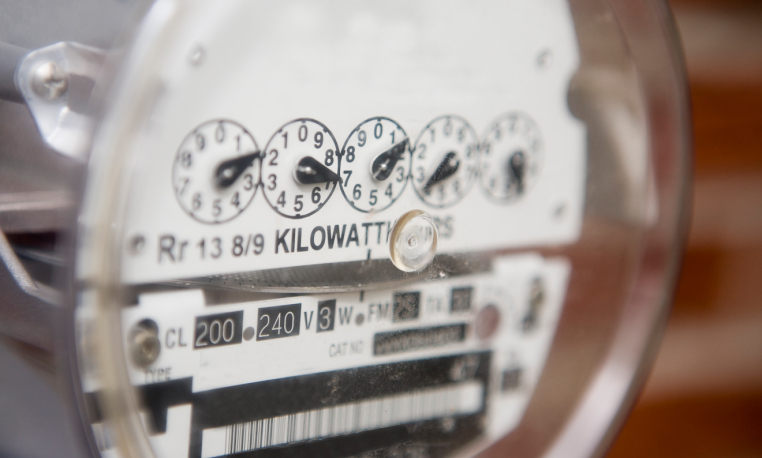
Summer is supposed to bring sunshine, not sticker shock. If you’ve opened your utility bill and wondered, “Why is my energy bill so high in the summer?”, you’re not alone. Many homeowners in Punta Gorda notice an energy bill higher in summer as air conditioners work longer to keep up with Florida’s intense heat and humidity. While higher cooling costs are common, unusually high bills may point to problems that are driving up your energy use.
In this guide, we’ll explain why your summer energy bill may be increasing, what appliances and home conditions contribute to higher electricity costs, and how to reduce your energy bill in summer. You’ll also learn practical tips to help keep your energy bill low in summer and recognize when it’s time to have your air conditioning system inspected by a professional.
Are Energy Bills Higher in Summer or Winter?
The answer depends largely on where you live, how your home is heated and cooled, and which appliances use the most electricity. In colder regions, winter heating can create the highest utility costs. In Punta Gorda, however, many homeowners see an energy bill higher in summer because air conditioning systems run frequently to manage Florida’s heat and humidity.
Why Summer Usually Brings Higher Energy Bills
Air conditioning is often the biggest reason for a high energy bill in summer. As outdoor temperatures rise, your AC must run longer and cycle more often to maintain a comfortable indoor temperature. The harder the system works, the more electricity it uses.
Florida’s humidity also increases the workload. Your air conditioner does more than cool the air. It also removes excess moisture from your home. During hot and humid days, this process can lead to longer run times and higher energy consumption.
Household electricity demand may also increase during summer. Ceiling fans, refrigerators, freezers, pool pumps, dehumidifiers, and other appliances may run more often. More people may also spend time indoors during the hottest parts of the day, increasing the use of lighting, electronics, and cooling equipment.
Does Location Affect Seasonal Energy Costs?
Yes, location plays a major role in determining whether energy bills are higher in summer or winter. Punta Gorda has a warm, humid climate and a long cooling season, so homeowners often rely on air conditioning for much of the year. During peak summer weather, the AC may operate for extended periods, making cooling one of the largest contributors to monthly electricity costs.
In colder regions, homeowners may spend more during winter because of furnaces, boilers, heat pumps, or electric heaters. Punta Gorda residents typically have milder winters, which reduces the need for prolonged heating. As a result, the summer energy bill is often higher than the winter bill for local households.
Why Is My Energy Bill So High in the Summer?
If your energy bill is higher in summer, your air conditioning system is often the main reason. Hot outdoor temperatures, high humidity, restricted airflow, and worn HVAC components can all force the system to use more electricity than usual. Understanding these common causes can help you determine whether the increase is seasonal or a sign that your AC needs attention.
Your Air Conditioner Is Working Harder Than Ever
During the hottest months, your air conditioner must run longer cooling cycles to maintain the temperature set on your thermostat. The greater the difference between the outdoor and indoor temperatures, the harder the system has to work.
Punta Gorda’s humidity adds to this workload. Your AC must remove heat and moisture from the indoor air, which can extend run times and increase electricity use. Some increase in your summer energy bill is expected, but unusually long cycles may indicate an efficiency problem.
Dirty Air Filters Restrict Airflow
A clogged air filter makes it harder for air to pass through the HVAC system. When airflow is restricted, the air conditioner may need to run longer to cool your home, resulting in reduced efficiency and higher operating costs.
Dirty filters can also place extra strain on the blower motor and contribute to frozen coils or uneven cooling. Checking and replacing the filter regularly is one of the simplest ways to help keep your energy bill low in summer.
An Aging or Inefficient AC System
Older air conditioners often use more electricity than newer, higher-efficiency systems. Units with lower SEER ratings may require more energy to produce the same amount of cooling, especially during Punta Gorda’s hottest weather.
Normal wear and tear can also reduce performance over time. Worn motors, damaged electrical components, and declining compressor efficiency may lead to longer run times and frequent repairs. If your AC is aging and your summer energy bill continues to rise, a professional inspection can help determine whether repair or replacement makes more sense.
Poor HVAC Maintenance
Skipping routine maintenance can allow small problems to reduce your system’s efficiency. Dirty evaporator or condenser coils make it harder for the AC to transfer heat, while blower problems can limit the amount of cooled air moving through your home.
Low refrigerant may also affect cooling performance and cause the system to run longer. Because refrigerant levels should not normally decrease, low levels may indicate a leak that requires professional repair. Regular HVAC maintenance can help identify these concerns before they lead to higher energy costs or a system breakdown.
4 Hidden Reasons Your Summer Energy Bill Is Higher
1. Poor Insulation Lets Cool Air Escape
Insulation helps slow heat transfer between your home and the outdoors. When insulation is thin, damaged, or missing, outdoor heat can enter through the attic, walls, and ceilings while cooled air escapes.
This forces your air conditioner to run longer to maintain the thermostat setting. In Punta Gorda, attic heat can be especially intense during summer, making proper insulation an important part of keeping cooling costs under control.
2. Air Leaks Around Doors and Windows
Small gaps around doors, windows, attic access points, and other openings can allow warm, humid air to enter your home. At the same time, cooled air can leak outside, reducing comfort and placing additional strain on the HVAC system.
Weatherstripping, caulk, and professional air sealing can help reduce unwanted air movement. Addressing these leaks may improve comfort and support efforts to reduce your energy bill in summer.
3. Your Thermostat Settings May Be Costing You
Setting the thermostat too low can make your air conditioner work harder than necessary. Large temperature differences between the indoors and outdoors may lead to longer cooling cycles and higher electricity use.
Frequent thermostat adjustments can also increase energy consumption if the system is constantly trying to reach a new setting. A programmable or smart thermostat can help maintain a more consistent schedule and reduce unnecessary cooling when no one is home.
4. Ceiling Fans Used Incorrectly
Ceiling fans can help you feel cooler by moving air across your skin, but they do not lower the temperature in an empty room. Leaving fans running when no one is present wastes electricity without improving comfort.
During summer, ceiling fans should rotate counterclockwise to create a downward breeze. Use them only in occupied rooms and adjust the thermostat slightly higher when the fan is running. This can help support your AC and keep your energy bill low in summer.
4 Household Appliances That Increase Your Summer Energy Bill
1. Water Heaters Running More Than Necessary
Water heating is one of the largest energy expenses in many homes year-round. During summer, increased showers after outdoor activities, laundry, or visiting guests can cause the water heater to operate more frequently.
Lowering the water heater temperature to the manufacturer’s recommended setting and repairing any leaks or insulation issues may help reduce unnecessary energy use without sacrificing comfort.
2. Refrigerators and Freezers Working Harder
Refrigerators and freezers naturally work harder when the surrounding air is warmer. Opening the doors frequently, overfilling the compartments, or placing hot food inside can also make the appliances run longer to maintain safe temperatures.
Keeping the condenser coils clean, checking the door seals, and allowing food to cool before refrigeration can help improve efficiency and reduce electricity consumption.
3. Ovens, Dryers, and Other Heat-Producing Appliances
Appliances that generate heat can make your air conditioner work even harder. Running the oven, clothes dryer, or dishwasher during the hottest part of the day adds heat to your home, requiring the AC to remove it.
Whenever possible, use these appliances during the early morning or evening when outdoor temperatures are lower. Outdoor grilling, air drying clothes, or using small countertop appliances instead of the oven can also help reduce indoor heat.
4. Inefficient Lighting and Electronics
Traditional incandescent light bulbs convert much of their energy into heat rather than light. Older televisions, desktop computers, gaming consoles, and other electronics also produce heat while operating, adding to your home’s cooling load.
Switching to energy-efficient LED lighting and turning off electronics when they’re not in use can help lower electricity consumption. While these changes may seem small individually, they can contribute to noticeable savings over time and help keep your energy bill low in summer.
How to Keep Your Energy Bill Low in Summer
If you’re wondering how to keep your energy bill low in summer, the good news is that small changes can make a noticeable difference. Improving your HVAC system’s efficiency and reducing unnecessary energy use can help lower cooling costs without sacrificing comfort.
Replace Your HVAC Air Filter Regularly
A clean air filter allows your air conditioner to move air efficiently throughout your home. When the filter becomes clogged with dust and debris, the system must work harder to maintain the desired temperature, increasing energy consumption.
Check your air filter every month during the cooling season and replace it as needed. This simple maintenance task can improve airflow, reduce strain on the system, and support lower energy costs.
Schedule Professional AC Maintenance
Routine maintenance helps your air conditioner operate at peak efficiency during Punta Gorda’s hottest months. During a professional tune-up, technicians inspect key components, clean the coils, check refrigerant levels, test electrical connections, and ensure the system is operating properly.
Regular maintenance can help identify small issues before they become expensive repairs while improving cooling performance and reducing unnecessary energy use.
Adjust Your Thermostat for Better Efficiency
Your thermostat setting has a direct impact on your monthly energy bill. Raising the temperature by just a few degrees when you’re away from home or asleep can reduce the amount of time your air conditioner runs.
A programmable or smart thermostat can automatically adjust temperatures based on your schedule, helping maintain comfort while avoiding unnecessary cooling throughout the day.
Seal Air Leaks Around Your Home
Cool air escaping through gaps around doors, windows, and other openings forces your air conditioner to run longer than necessary. Sealing these leaks with weatherstripping or caulk helps keep conditioned air inside and hot, humid air outside.
Improving your home’s air sealing can increase comfort, reduce HVAC workload, and contribute to lower summer energy bills.
Reduce Indoor Heat During Peak Hours
Heat generated inside your home can make your air conditioner work harder. Using the oven, clothes dryer, or other heat-producing appliances during the hottest part of the day increases the cooling load on your HVAC system.
Whenever possible, cook outdoors, use smaller countertop appliances, or schedule laundry and dishwashing during the morning or evening when temperatures are lower.
Use Ceiling Fans to Support Your AC
Ceiling fans don’t cool the air, but they help people feel cooler by circulating it. This improved airflow can allow you to raise your thermostat a few degrees without reducing comfort, helping your air conditioner run less frequently.
For the best results, make sure ceiling fans rotate counterclockwise during summer to create a downward breeze, and turn them off when rooms are unoccupied to avoid wasting electricity.
How to Reduce Your Energy Bill in Summer With HVAC Upgrades
If you’re looking for long-term ways to reduce your energy bill in summer, upgrading key parts of your HVAC system can make a significant difference. Modern equipment and preventive services are designed to improve efficiency, reduce unnecessary energy use, and help keep your home comfortable throughout Punta Gorda’s cooling season.
Upgrade to a High-Efficiency Air Conditioner
If your air conditioner is more than 10 to 15 years old, it may use considerably more electricity than newer models. Today’s high-efficiency systems feature higher SEER2 ratings and improved technology that allows them to cool your home while using less energy.
Replacing an aging AC system can also improve comfort, provide more consistent temperatures, and reduce the likelihood of unexpected breakdowns during peak summer heat.
Install a Smart Thermostat
A smart thermostat helps reduce energy waste by automatically adjusting temperatures based on your daily routine. Instead of cooling an empty home all day, the thermostat can raise the temperature while you’re away and restore your preferred setting before you return.
Many smart thermostats also provide energy reports and usage insights, making it easier to identify opportunities to improve efficiency and lower monthly utility costs.
Improve Your Home’s Indoor Air Quality
Improving indoor air quality can also support HVAC efficiency. Cleaner airflow allows your system to operate more effectively, reducing unnecessary strain on important components.
Replacing air filters regularly, keeping return vents unobstructed, and using appropriate indoor air quality solutions can improve airflow throughout your home. Cleaner filters help the system move air more efficiently, while better airflow reduces the workload placed on the blower motor and other HVAC components. Together, these improvements can contribute to lower energy use and more consistent indoor comfort.
Consider Preventive Maintenance Plans
Preventive maintenance helps keep your air conditioner operating as efficiently as possible throughout the cooling season. Routine inspections allow technicians to clean essential components, verify system performance, identify worn parts, and address small issues before they affect efficiency.
Enrolling in a maintenance plan can help extend the life of your HVAC system, improve reliability, and reduce the chances of costly repairs while supporting lower summer energy bills year after year.
When a High Summer Energy Bill Means You Need AC Repair
A higher electric bill during the hottest months is common, but a sudden or unexplained increase may point to an air conditioning problem. If your cooling costs rise alongside comfort issues, unusual system behavior, or reduced airflow, scheduling AC repair can help identify the cause before the problem becomes more serious.
Uneven Cooling Throughout the House
Some rooms may feel warmer than others when your air conditioner is not distributing cooled air properly. Uneven temperatures can result from ductwork problems, airflow restrictions, thermostat issues, or a system that is struggling to meet your home’s cooling needs.
When the AC runs longer to compensate for hot spots, energy use can increase. A professional inspection can determine whether the problem is related to the equipment, duct system, or another part of your home.
Constant Cycling or Long Run Times
An air conditioner that turns on and off frequently may be short cycling, while a system that rarely shuts off may be operating for unusually long periods. Both conditions can increase electricity use and place added strain on important components.
Frequent cycling may be caused by thermostat problems, electrical issues, restricted airflow, or an incorrectly sized system. Long run times may point to dirty coils, low refrigerant, poor insulation, or reduced equipment efficiency.
Weak Airflow
Weak airflow from the vents can make it difficult for your home to reach the thermostat setting. As a result, the air conditioner may continue running and use more energy without delivering the expected comfort.
Common causes include a clogged air filter, blower motor problems, blocked vents, dirty coils, or leaking ductwork. If replacing the filter does not improve airflow, the system should be inspected by an HVAC technician.
Strange Noises or Odors
Grinding, rattling, buzzing, squealing, or banging sounds may indicate loose, damaged, or failing components. Burning, musty, or chemical odors can also signal electrical concerns, moisture problems, microbial growth, or refrigerant issues.
These warning signs should not be ignored, especially when they occur alongside a high summer energy bill. Turning the system off may be necessary if you notice burning odors or severe mechanical noises.
Rising Bills Without Increased Usage
If your thermostat settings, household routine, and electricity use have stayed the same but your bills continue to rise, your AC may be losing efficiency. Worn parts, dirty components, refrigerant leaks, duct problems, or an aging system can all increase operating costs.
Comparing recent bills with the same months from previous years can help reveal unusual changes. Professional AC repair can identify the source of the increased energy use and determine what is needed to restore efficient operation.
Lower Your Summer Energy Bills With Executive Cooling & Heating in Punta Gorda
If your summer energy bill continues to climb despite your efforts to conserve energy, your air conditioning system may need professional attention. Executive Cooling & Heating provides trusted HVAC services in Punta Gorda, helping homeowners improve system efficiency, lower operating costs, and stay comfortable throughout Florida’s hottest months.
Professional AC Repair for Better Efficiency
An inefficient air conditioner can use far more electricity than necessary. Whether the issue involves dirty coils, low refrigerant, airflow restrictions, worn components, or electrical problems, our experienced technicians will perform a thorough inspection to identify the cause.
By restoring your system to proper working condition, we can help improve cooling performance, reduce unnecessary energy consumption, and extend the life of your equipment.
Prevent Costly Breakdowns With Routine Maintenance
Routine maintenance is one of the best ways to keep your air conditioner operating efficiently during the summer. Our maintenance services include inspecting critical components, cleaning coils, checking refrigerant levels, testing system performance, and identifying potential issues before they become major repairs.
Regular tune-ups not only help lower energy costs but also reduce the risk of unexpected breakdowns when your air conditioner is working its hardest.
FAQs About Energy Bills During Summer
Why is my energy bill so high in the summer even though I don’t change my thermostat?
Even when the thermostat setting stays the same, your air conditioner may run longer because outdoor temperatures and humidity are higher. The system has to remove more heat and moisture from your home, which increases electricity use. Dirty filters, aging equipment, air leaks, poor insulation, or an AC problem can also contribute to a higher summer energy bill.
Are energy bills higher in summer or winter?
Energy bills can be higher in either season depending on your location, home, and equipment. In Punta Gorda, summer bills are often higher because air conditioning systems operate for long periods in hot, humid weather. In colder climates, winter heating may create the larger seasonal expense.
What uses the most electricity during the summer?
Air conditioning usually uses the most electricity during summer, especially in Florida homes. Other major contributors may include water heaters, refrigerators, freezers, pool pumps, clothes dryers, ovens, and frequently used electronics. The amount each appliance uses depends on its age, efficiency, condition, and operating time.
How can I reduce my energy bill in summer without replacing my AC?
You can start by replacing dirty air filters, adjusting the thermostat, using ceiling fans in occupied rooms, sealing air leaks, closing blinds during peak sunlight, and avoiding heat-producing appliances during the hottest hours. Scheduling professional AC maintenance can also help improve efficiency without requiring a full system replacement.
Does AC maintenance lower energy bills?
AC maintenance may help lower energy costs by keeping the system clean and operating efficiently. A technician can clean the coils, check airflow, inspect electrical components, and identify problems that may be causing longer run times. The amount saved will depend on the system’s condition and the issues found during service.
How often should my air conditioner be serviced?
Most air conditioners should receive professional maintenance at least once a year, preferably before the main cooling season. In Punta Gorda, where AC systems operate heavily for much of the year, regular inspections can help maintain efficiency, reduce the likelihood of breakdowns, and catch developing problems early.
Is it worth upgrading to a more energy-efficient air conditioner?
An upgrade may be worthwhile when your current system is aging, requires frequent repairs, cools unevenly, or causes steadily rising energy bills. A high-efficiency air conditioner can reduce electricity use and improve comfort, but the potential savings depend on the system size, efficiency rating, home insulation, ductwork, and cooling habits. A professional evaluation can help determine whether repair or replacement offers better long-term value.
Stop Paying Extra for Air that Should Come Easy!
A high summer energy bill doesn’t always mean higher utility rates. In many cases, it can point to an air conditioning system that’s working harder than it should. From routine maintenance and timely repairs to improving your home’s efficiency, taking the right steps can help lower energy costs while keeping your home comfortable throughout the hottest months. At Executive Cooling & Heating, we’re here to help with trusted Air Conditioning Repair Service in Punta Gorda, Air Conditioner Maintenance Plans in Punta Gorda, Heating Services in Punta Gorda, and solutions that improve indoor air quality in Punta Gorda.
If your energy bills keep climbing, we’re ready to help you find the cause and recommend the right solution. Our experienced team can inspect your HVAC system, improve its efficiency, and help you stay comfortable without wasting energy. We also offer convenient Financing options for qualifying projects. Call us today at (941) 637-9800 or contact us to schedule your service and start taking control of your summer energy costs.