
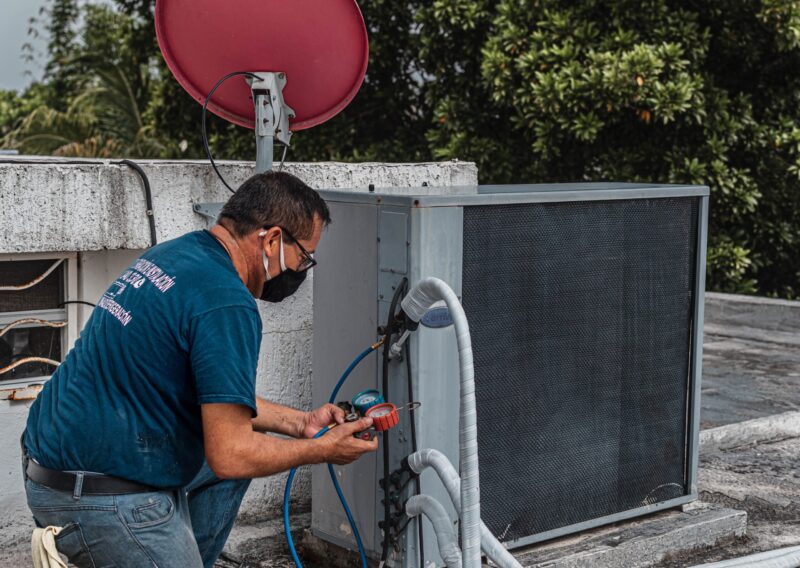
Warm air from the vents, unusual noises, or rooms that stay uncomfortable can leave you wondering whether your air conditioner needs attention. In Punta Gorda’s heat and humidity, recognizing changes early can help you decide when to schedule service. Knowing the signs your air conditioner needs professional repair starts with noticing how its performance differs from normal.
At Executive Cooling & Heating, we help homeowners identify the causes of cooling problems and understand their repair options. In this guide, we’ll cover common warning signs, safe checks you can perform, and situations that call for shutting down the system and seeking help.
10 Signs Your Air Conditioner Needs Professional Repair
1. Warm Air Comes From the Vents in Cooling Mode
If your vents deliver warm air, first confirm that the thermostat is set to cool and the temperature setting is below the current room temperature. Allow for any normal startup delay. Air moving while the fan runs between cooling cycles does not necessarily mean the system is malfunctioning.
Persistent warm air during an active cooling call may involve restricted airflow, thermostat or control problems, refrigerant issues, or equipment failure. If the settings are correct and cooling does not resume, schedule professional evaluation. Lowering the thermostat repeatedly will not correct the underlying problem.
2. Airflow Is Weak or Uneven Between Rooms
Reduced airflow can leave rooms uncomfortable even when the air coming from the vents feels cool. You might notice that one bedroom receives little air while the living room cools normally, or that airflow throughout the home has declined. An accessible filter and unobstructed supply and return grilles are reasonable starting points for a homeowner check.
Possible causes include a clogged filter, blower problems, restricted ducts, disconnected sections, or inadequate return-air pathways. Weak airflow alone does not identify which component needs repair. We assess relevant system conditions before recommending equipment service or ductwork corrections.
3. Your AC Cannot Maintain the Desired Temperature
A noticeable decline in your system’s ability to maintain comfort deserves attention, particularly under conditions it previously handled. Consider whether outdoor temperatures have increased, thermostat settings have changed, or recent renovations and household activities have added cooling demand. These details help distinguish changing conditions from declining performance.
Long operating cycles alone do not establish a malfunction. Variable-capacity systems may run for extended periods at reduced output, and other systems may run longer during demanding weather. However, if indoor temperatures continue rising or performance has deteriorated without an obvious explanation, a professional assessment can help identify the cause.
4. The System Repeatedly Starts and Stops
Short cycling occurs when an air conditioner repeatedly starts and stops without completing an appropriate cooling cycle. You may hear the equipment restart frequently while the home remains uncomfortable. This differs from equipment that stays running and adjusts its output to match demand.
Potential causes include control problems, airflow restrictions, equipment faults, or unsuitable sizing. The timing and operating conditions matter, so avoid diagnosing the problem from cycle length alone. If repeated starts and stops are new or persistent, we can inspect the system and determine what needs attention.
5. New Grinding, Banging, Screeching, or Buzzing Sounds Develop
A new, persistent, or substantially louder sound can signal a change in equipment condition. Grinding or screeching may involve moving components, while banging, rattling, or buzzing can have several mechanical or electrical explanations. Sound alone cannot establish which part has failed.
Stop operating the system if the noise is severe, accompanied by strong vibration, or occurs alongside burning odors or other signs of damage. Do not remove equipment guards or reach near a fan to investigate. Contact us to describe the sound and arrange an inspection.
6. Burning Smells or Persistent Unusual Odors Appear
A strong electrical or burning smell during AC operation needs prompt attention. Stop using the system if you can do so safely and request professional assistance. If you see smoke, sparking, or an apparent fire, leave the affected area and contact emergency services rather than approaching the equipment.
Recurring musty or other unusual odors also warrant investigation, but they require a different assessment. Moisture, drainage conditions, household sources, and HVAC components may contribute. An odor alone does not confirm mold or refrigerant leakage, so identifying its source is essential before choosing a remedy.
7. Water Collects Around the Indoor Equipment
Your air conditioner normally produces condensation during cooling, but that water should drain through the intended drainage system. Pooling water around the indoor unit, wet flooring, or nearby ceiling stains indicate that moisture is reaching an unintended area. Possible causes include drain restrictions, condensate pump problems, or ice thawing from the coil.
Stop cooling operation when active leakage is occurring and contact us for guidance. Stay away from water near electrical equipment, and do not step into standing water to reach a switch or disconnect. Cleaning up accessible water may limit damage when safe, but the source still needs correction.
8. Ice Forms on Refrigerant Lines or the Indoor Coil
Visible ice on refrigerant lines or accessible indoor components is a reason to stop cooling operation and arrange service. Airflow restrictions and refrigerant-related problems are among the possible causes. Ice itself does not establish that the system simply needs more refrigerant.
Do not scrape the ice, chip it away, or apply heat to speed up thawing. Allow it to thaw naturally and be aware that melting ice may produce water around the equipment. A technician should identify the cause before you resume normal cooling, since thawing alone does not complete the repair.
9. Your Home Feels Unusually Humid Despite Cooling
A home that suddenly feels sticky or damp despite reaching the thermostat setting may have a moisture-control problem. Changes in equipment operation, airflow, runtime, or control settings can affect moisture removal. Outdoor air leakage, cooking, showers, and unresolved water sources may also contribute.
Lowering the thermostat may make the home colder without resolving the cause. Note when the dampness occurs and consider recording indoor humidity over time. We evaluate relevant HVAC conditions and explain whether service, moisture-source correction, or further assessment is appropriate.
10. Cooling Electricity Use Rises Without a Clear Explanation
An increase in electricity consumption can be worth investigating when your cooling habits and conditions have remained similar. Compare kilowatt-hours used, rather than the bill total alone, because rate changes and billing-period length can affect charges. Weather, occupancy, thermostat settings, and other electrical appliances also influence consumption.
If increased use accompanies weaker cooling, unusual cycling, or longer operation than previously experienced under comparable conditions, schedule an evaluation. Restricted airflow, dirty components, or equipment faults may be contributing, but the cause needs confirmation. We help determine whether maintenance, repair, or another corrective measure is warranted.
When Should You Turn Off Your AC and Seek Immediate Help?
Some AC problems require stopping the equipment rather than continuing to troubleshoot. Smoke, electrical warning signs, severe noises, ice, and active leaks deserve prompt attention. Your safety comes first: only approach controls when you can do so without exposure to smoke, water, sparks, or damaged equipment.
Smoke, Sparking, or a Strong Electrical Burning Smell
If you see smoke or sparking, or suspect a fire, leave the affected area and contact emergency services from a safe location. Do not delay leaving to investigate the equipment or attempt a repair. Keep others away and do not use water on energized electrical equipment.
For a strong electrical burning smell without visible fire, stop operating the AC only if the thermostat or other controls are safely accessible. Do not open equipment panels or approach a smoking unit to disconnect it. Have the system professionally evaluated before restarting it.
Repeated Breaker Trips or Severe Mechanical Noise
A breaker that repeatedly trips may be responding to an electrical fault or another equipment problem. Do not keep resetting it to restore cooling. Leave the affected circuit off and arrange professional evaluation rather than forcing the system to continue operating.
Severe banging, grinding, screeching, or vibration also warrants stopping the system when safe. Continuing operation could worsen mechanical damage. Avoid removing guards, opening electrical panels, or reaching near moving parts; describe the symptoms to our team when requesting service.
Ice Buildup or Active Water Leakage
If you notice ice on refrigerant lines or active water leakage around the indoor unit, turn cooling off using safely accessible controls. Continued cooling can worsen icing or produce additional water damage. Stay clear of standing water near electrical components, and do not cross a wet area to reach a disconnect.
Report where the ice or water appears and any visible damage to nearby materials. Allow ice to thaw naturally without scraping it or applying heat. Thawing the system or wiping up water does not correct the underlying airflow, drainage, or equipment problem, so arrange an inspection before resuming normal operation.
Loss of Cooling During Dangerous Indoor Heat
A cooling failure can become urgent when indoor temperatures rise, especially for older adults, young children, and people with conditions that make heat harder to tolerate. Move to an air-conditioned location when needed rather than remaining in an increasingly hot home while waiting for repairs. If someone becomes seriously unwell, seek emergency medical assistance.
Loss of cooling alone differs from an electrical or fire emergency. Without warning signs such as smoke, burning odors, severe noise, ice, or leaking water, shutdown decisions depend on the symptoms and professional guidance. Contact us at 941-637-9800 to explain what the system is doing and arrange the next steps, while prioritizing a cooler location for your household.
Safe Checks Before Calling for Air Conditioning Repair
A few simple checks can help you describe an AC problem and identify an overlooked setting or airflow obstruction. Keep these checks limited to safely accessible controls and routine homeowner maintenance. If you notice smoke, sparking, a strong electrical burning smell, or water near electrical equipment, stop troubleshooting and seek appropriate assistance.
Review Thermostat Settings and Display
Confirm that the thermostat is set to cool and the setpoint is below the current room temperature. Review programmed schedules, vacation settings, or app adjustments that may have changed operation. If your thermostat uses replaceable batteries, follow its instructions to check or replace them when needed.
Allow for the system’s normal startup delay, which may temporarily prevent operation after a shutdown or power interruption. Avoid repeatedly lowering the temperature, switching modes, or cycling power to force a start. Note any blank display or error message so you can share it when requesting service.
Inspect an Accessible Air Filter
If the filter is accessible through a designated homeowner access point, follow the equipment instructions for checking it. Turn the system off as directed before removal, and replace a dirty disposable filter with the correct dimensions and a type your equipment supports. Follow the airflow-direction markings when installing the replacement.
Do not operate the system without a filter or reach inside equipment to locate one. Wash only filters specifically identified as washable, following their care instructions. If the filter location or replacement procedure is unclear, leave the task for a technician.
Check Supply Vents, Return Grilles, and Outdoor Clearance
Look for furniture, rugs, curtains, or stored items blocking supply vents and return grilles. Move accessible obstructions so air can circulate as intended. Avoid closing multiple vents in an attempt to redirect cooling, since this can interfere with system airflow.
Observe the outdoor unit from a safe distance for obvious obstructions, such as stored items or vegetation crowding the equipment. Keep the manufacturer’s clearance requirements in mind, and leave debris lodged inside the cabinet for a technician. Do not remove guards, insert tools, or reach near fan blades—even if the fan appears stopped.
Record Symptoms Without Disassembling the System
Write down when the problem began, which rooms are affected, and whether it occurs continuously or intermittently. Note thermostat messages, unusual sounds, operating patterns, and recent changes such as a power outage or renovation. Photos of visible ice or leaks may be helpful when taken without approaching unsafe areas or opening panels.
Persistent warm air, weak airflow, repeated short cycling, unusual noises, or unresolved humidity concerns warrant a service visit after basic checks. Ice, active leakage, and electrical warning signs require stopping operation when safe rather than continuing to test the system. At Executive Cooling & Heating, these observations help us understand your concern and prepare for the evaluation.
Why AC Symptoms Need Professional Diagnosis
An AC warning sign tells you something needs attention, but it rarely identifies the exact repair. Professional diagnosis connects the symptoms you notice with inspection findings and operating measurements. At Executive Cooling & Heating, we use that information to explain the problem and recommend appropriate work.
Different Problems Can Produce Similar Warning Signs
Warm air from the vents may involve thermostat settings, restricted airflow, refrigerant issues, or malfunctioning equipment. Weak airflow can result from a dirty filter, blower problems, duct restrictions, or limited return-air pathways. Because these symptoms overlap, appearance or sound alone cannot reliably identify a failed component.
Guessing at replacement parts can add expense without resolving the cause. A new thermostat, for example, will not correct a restricted duct or a refrigerant problem. We check relevant components and operating conditions to determine what is contributing to the symptom before recommending repairs.
Refrigerant and Electrical Work Require Qualified Assistance
Refrigerant and electrical repairs require appropriate tools, training, and procedures. Technicians need to evaluate system conditions, interpret measurements, and follow equipment requirements. Internal electrical components can present hazards even when the thermostat is switched off, so opening panels or handling wiring goes beyond routine homeowner checks.
Refrigerant should not be added simply because the system is cooling poorly. An apparent charge problem requires evaluation of airflow, equipment operation, and possible leakage before deciding on corrective work. Checking thermostat settings or replacing an accessible filter differs from servicing pressurized refrigerant circuits or energized components.
Diagnosis Helps Define the Necessary Repair
Inspection findings help establish which work is needed and why. We explain the identified issue, proposed repair, and any related concerns that may affect performance. This gives you a clearer basis for reviewing costs and deciding how to proceed.
After service, relevant operating checks help confirm how the system responds and whether the reported concern has been addressed. Some repairs require ordered parts, additional access, or a follow-up visit, so completion during the first appointment is not always possible. We explain those next steps and any remaining limitations before concluding the visit.
What to Expect During a Professional AC Repair Visit
A professional AC repair visit starts with understanding your concern and evaluating the equipment before recommending work. The process should give you clear information about the problem, repair options, and costs. At Executive Cooling & Heating, we explain our findings and keep you informed about the next steps.
Discuss Your Symptoms and System History
We begin by asking when the issue started, how often it occurs, and what changes you have noticed. Details about warm air, weak airflow, unusual sounds, leaks, or thermostat messages help guide the evaluation. Previous repair invoices and maintenance records can also provide useful context.
Let us know about recent renovations, power outages, thermostat adjustments, or changes in how you use the home. If available, share the equipment’s model information, approximate age, and warranty documents. You do not need to open panels or enter an unsafe area to gather these details.
Inspect and Test Relevant Components
The inspection focuses on components and operating conditions relevant to your symptoms. Checks may include thermostat controls, filter condition, airflow, blower operation, condensate drainage, and electrical components. Accessible ductwork or other related areas may also need attention when the concern involves uneven cooling.
Refrigerant operation is evaluated when the symptoms and initial findings warrant it. The diagnostic scope varies with the system, equipment access, and the problem being investigated. We use the findings together rather than treating one reading or visible symptom as a complete diagnosis.
Review Findings, Costs, and Repair Options
Once we identify the issue, we explain the recommended work and how it relates to your cooling concern. Review the proposed parts, labor, and any additional diagnostic or service charges before approving repairs. Applicable warranty or maintenance agreement benefits should also be clarified, including expenses they may not cover.
If further work becomes necessary, we explain the change and obtain any required approval before proceeding. Some components may need to be ordered, which can require a follow-up appointment. We discuss availability, scheduling, and any operating limitations while the repair remains incomplete.
Verify Operation and Explain Next Steps
After completing the repair, we perform relevant checks to evaluate the system’s response. Depending on the work, this may involve cooling performance, airflow, cycling, controls, or drainage. We also ask whether the original symptoms have changed, recognizing that intermittent problems may require further observation.
Before leaving, we explain what to monitor and any recommended filter care or maintenance. We identify remaining concerns that need separate work and distinguish those recommendations from the completed repair. This helps you understand your system’s condition and plan future service.
How Maintenance Helps Identify Developing AC Problems
Routine maintenance provides an opportunity to check your air conditioner before a noticeable problem becomes more disruptive. Clean filters, unobstructed airflow, and professional equipment checks support normal operation and help reveal conditions that need attention. At Executive Cooling & Heating, we explain our findings so you can make informed decisions about your system’s care.
Keep Filters and Airflow Paths Maintained
Check your air filter regularly and follow the manufacturer’s cleaning or replacement guidance. Actual conditions matter: pets, renovation dust, and frequent system use can affect how quickly a filter becomes dirty. Use the correct dimensions and a filter type your equipment supports rather than choosing a more restrictive option without checking compatibility.
Keep supply vents and return grilles clear of furniture, curtains, rugs, and stored items. These openings allow conditioned air to reach rooms and circulate back to the equipment. If airflow remains weak after accessible obstructions and filter concerns are addressed, schedule an evaluation rather than assuming routine cleaning has resolved the problem.
Schedule Professional Equipment and Drainage Checks
Professional maintenance includes checks appropriate to your equipment, such as inspecting coils, electrical components, controls, blower operation, and condensate drainage. Dirt buildup, deteriorating connections, or a developing drain restriction may be identified during service. Accessible coils and drains can also receive cleaning or maintenance according to the system’s needs.
These checks help assess current operation and identify concerns that may warrant repair or monitoring. However, maintenance cannot prevent every failure or predict exactly when a component will stop working. We explain which findings require attention and distinguish recommended repairs from routine preventive care.
Track Changes Between Service Visits
Pay attention to changes in cooling performance, operating sounds, cycling, and indoor comfort. Note when a problem occurs, which rooms are affected, and whether it follows a weather change or thermostat adjustment. Tracking electricity consumption alongside usage patterns can also help reveal changes worth discussing.
Report recurring symptoms promptly instead of waiting for your next scheduled tune-up. Our Energy Saving Maintenance Agreements offer a way to keep preventive visits on schedule, while repair appointments address concerns that develop between visits. Keeping service records and sharing your observations helps us evaluate how your system’s performance has changed over time.
Choose Executive Cooling & Heating for AC Repair in Punta Gorda
When your air conditioner needs attention, clear answers help you decide what to do next. At Executive Cooling & Heating, we investigate your cooling concerns, explain our findings, and recommend appropriate service. We help Punta Gorda homeowners address immediate problems and plan ongoing equipment care.
Local Service Experience Since 1988
We’ve served Southwest Florida since 1988, helping homeowners and businesses maintain dependable heating and cooling. Our residential service experience includes cooling breakdowns, airflow concerns, uneven temperatures, and equipment maintenance. We understand how disruptive an AC problem can be during Punta Gorda’s hot, humid weather.
That experience guides our approach, but each repair recommendation starts with your system’s condition. We consider the symptoms, service history, and inspection findings to determine the next steps. Whether the concern involves equipment, controls, or air distribution, we explain how it affects your comfort.
Honest Recommendations Based on Inspection Findings
You deserve to understand why a repair is recommended and what it is intended to resolve. We explain the identified issue, available options, and proposed work in straightforward language. Our comfort specialists do not work on commission-based pay, supporting our commitment to service without high-pressure sales.
Replacement enters the discussion when the equipment’s condition, repair history, or proposed repair cost makes it worth considering. A warning sign alone does not mean you need a new system. We help you compare practical options so you can make a decision that fits your needs and budget.
Emergency Service and Continued System Care
We offer 24/7 emergency service with live after-hours answering, giving you a way to report unexpected cooling problems outside regular office hours. When you call, describe the symptoms and any visible ice, water, or electrical warning signs. Our team can discuss the next steps and service availability.
FAQs About Professional AC Repair
How Do I Know Whether My AC Needs Professional Repair?
Persistent warm air, weak airflow, unusual noises, repeated short cycling, ice, or water leakage are reasons to arrange professional evaluation. Check safely accessible thermostat settings and the filter first, provided no electrical or other hazards are present. If the concern continues, we can investigate the cause and explain the recommended work.
Why Is My AC Running but Not Cooling?
Possible causes include incorrect thermostat settings, restricted airflow, frozen coils, refrigerant issues, or malfunctioning components. Confirm that the thermostat is calling for cooling and check an accessible filter according to equipment instructions. If cooling does not improve, schedule service rather than assuming the system needs refrigerant or a particular replacement part.
Should I Turn Off My AC if It Is Frozen?
Yes. Stop cooling operation using safely accessible controls and arrange professional service. Allow the ice to thaw naturally without scraping it or applying heat, and watch for melting water without approaching electrical hazards. Thawing does not resolve the underlying issue, which may involve airflow restrictions, refrigerant conditions, or another equipment problem.
Does Water Around My AC Always Mean a Refrigerant Leak?
No. Water around indoor equipment commonly involves condensate drainage, a pump problem, or melting ice. Refrigerant and condensate are different, and a puddle alone does not identify the cause. Stop cooling if active leakage is occurring, keep away from water near electrical equipment, and arrange an inspection.
Why Does My Air Conditioner Keep Turning On and Off?
Repeated short cycles may involve thermostat controls, airflow restrictions, equipment faults, or unsuitable sizing. Normal operating patterns vary, so cycle length alone does not establish a diagnosis. If frequent starts and stops are new, persistent, or accompanied by poor cooling, we can evaluate the system and identify appropriate corrective work.
Can a Dirty Filter Cause Cooling Problems?
Yes. A heavily loaded filter can restrict airflow, affecting cooling performance and potentially contributing to coil icing. Check and replace an accessible filter according to manufacturer instructions, using the correct size and supported type. If airflow or cooling remains poor afterward, additional evaluation is needed; filter replacement may not address the entire problem.
Is a Musty AC Smell Always a Sign of Mold?
No. A musty smell does not confirm mold or identify its location. Damp materials, drainage conditions, household sources, and HVAC components may contribute to recurring odors. Note where and when the smell occurs, then arrange an evaluation. Suspected contamination or unresolved water damage may require an appropriately qualified environmental professional.
How Much Does Professional AC Repair Cost?
The cost depends on the diagnosed problem, required parts, labor, equipment access, and service timing. Warranty coverage or maintenance agreement benefits may affect certain charges, but exclusions can apply. Ask for an explanation of diagnostic fees and a written repair estimate before approving work, including how any additional repairs will be authorized.
Can My Air Conditioner Be Repaired During the First Visit?
Some repairs can be completed during the initial visit when the cause is identified and suitable parts are available. Others require ordered components, additional access, or further testing of intermittent symptoms. We explain what can be completed, any remaining operating limitations, and whether a follow-up appointment is necessary.
When Is AC Replacement More Practical Than Another Repair?
Replacement may be worth considering when significant repair costs, recurring failures, and declining performance make continued repairs less practical. Equipment age provides context but should not determine the decision alone. We help you compare the proposed repair with a complete replacement option, including installation requirements, coverage, and your household’s comfort needs.
Give Breakdowns the Cold Shoulder—Call us Today!
Recognizing changes in cooling, airflow, noise, and moisture helps you know when to seek air conditioning repair in Punta Gorda. Professional diagnosis identifies the cause, while regular AC maintenance in Punta Gorda provides opportunities to catch developing concerns. Persistent comfort problems may also involve attic insulation, indoor air quality in Punta Gorda, or Duct Work in Punta Gorda homes. When replacement is appropriate, a home-specific assessment helps guide AC installation in Punta Gorda.
At Executive Cooling & Heating as a leading HVAC company in Punta Gorda, we provide residential HVAC services in Punta Gorda with clear explanations and recommendations based on inspection findings. Call us at 941-637-9800 or contact us to discuss your AC concerns, schedule service, or explore available financing options for qualifying projects. We also offer commercial HVAC services in Punta Gorda for business owners who need equipment care. Let us help you address the warning signs and restore dependable comfort.