
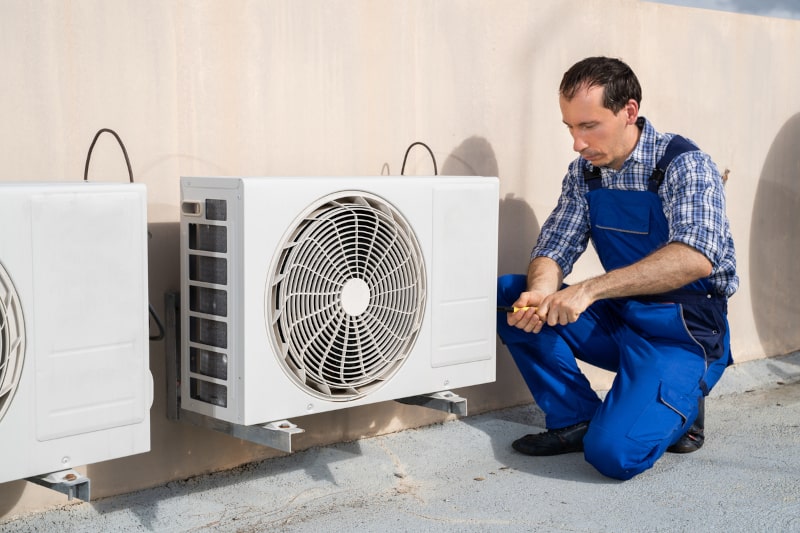
Your heat pump may still be running, but is it actually heating or cooling your home? The heat pump compressor is responsible for circulating refrigerant and making heat transfer possible, so when it begins to fail, comfort and system performance can quickly suffer. Strange noises, weak heating or cooling, electrical issues, or a heat pump compressor not starting can all signal trouble.
If you suspect your heat pump compressor is not working, recognizing the warning signs early can help you avoid further system damage and an unexpected breakdown. Below, we’ll explain the common signs of compressor trouble, what causes a heat pump compressor to fail, what you can safely check yourself, and when to call an HVAC professional in Punta Gorda, FL.
What Does a Heat Pump Compressor Do?
The heat pump compressor is one of the most important components in your HVAC system because it keeps refrigerant moving between the indoor and outdoor units. That refrigerant carries heat, allowing the system to cool your home in warm weather and provide heat when temperatures drop. If the compressor cannot operate properly, the entire heat pump can lose heating and cooling capacity.
How the Compressor Moves Refrigerant Through the System
The compressor pressurizes refrigerant and pushes it through the heat pump’s closed-loop system. As refrigerant moves through the coils, it absorbs heat in one location and releases it in another.
In cooling mode, the system moves heat from inside your home to the outdoors. In heating mode, the process reverses, allowing the heat pump to pull available heat from outdoor air and transfer it indoors.
Why the Compressor Is Essential for Heating and Cooling
Without the compressor, refrigerant cannot circulate effectively through the system. That means the heat pump cannot complete the heat-transfer process needed to maintain a comfortable indoor temperature.
A healthy compressor also supports proper system pressure and helps the heat pump operate efficiently. When it begins to fail, you may notice longer cycles, reduced comfort, unusual noises, or higher energy use.
What Happens When a Heat Pump Compressor Stops Working
If the heat pump compressor is not working, the system may continue running in some capacity, but it will not be able to heat or cool properly. In some cases, the indoor fan may still blow air even though the compressor is not operating.
You may also notice that the outdoor unit does not start, the system blows room-temperature air, or the breaker trips when the compressor tries to run. If your heat pump compressor is not turning on, professional diagnosis is recommended because the cause could involve the capacitor, contactor, refrigerant system, wiring, or the compressor itself.
1. Your Heat Pump Compressor Is Not Starting
One of the clearest signs of trouble is a heat pump compressor not starting when your system calls for heating or cooling. However, a compressor that does not turn on is not necessarily a failed compressor. The problem could involve the thermostat, electrical supply, capacitor, contactor, wiring, safety controls, or another HVAC component. Professional diagnosis can determine exactly what is preventing the compressor from operating.
The Outdoor Unit Won’t Turn On
If the entire outdoor unit remains silent when the thermostat calls for heating or cooling, start with a few basic checks. Confirm that the thermostat is set correctly and check whether the HVAC circuit breaker has tripped.
If the breaker appears normal but the outdoor unit still does not respond, avoid opening electrical panels or attempting internal repairs. A technician can test the system’s power supply, controls, and compressor to locate the problem.
The Fan Runs but the Compressor Doesn’t
Sometimes, the outdoor fan will operate even though the compressor does not. You may hear the fan running but notice that your home is not heating or cooling effectively. This can indicate a problem with the compressor itself or with a component responsible for starting and powering it.
A failed capacitor, faulty contactor, damaged wiring, or compressor problem can produce similar symptoms. Testing these components requires proper electrical equipment and should be handled by an HVAC professional.
Why a Compressor May Struggle to Start
A compressor may have difficulty starting because of electrical problems, a weak or failed capacitor, a faulty contactor, overheating, abnormal system pressures, or internal mechanical wear. You may hear humming, buzzing, or repeated attempts to start before the system shuts down.
If your heat pump compressor is not turning on or repeatedly struggles to start, don’t keep cycling the system on and off. Continuing to operate a malfunctioning heat pump may place additional stress on the compressor and electrical components. Have the system inspected to determine whether the issue can be repaired or whether the compressor requires replacement.
2. Strange Noises Are Coming From the Heat Pump Compressor
A healthy heat pump compressor should operate with a steady, relatively consistent sound. If you suddenly hear grinding, rattling, clanking, buzzing, or loud humming from the outdoor unit, the compressor or one of its supporting electrical components may be having trouble. New or worsening noises should not be ignored, especially if heating or cooling performance has also declined.
Grinding, Rattling, and Clanking Sounds
Grinding may indicate internal mechanical wear, while rattling or clanking can point to loose components, damaged mounts, or other parts moving where they should not. These sounds may come from the compressor itself or nearby components in the outdoor unit.
Because several mechanical issues can create similar noises, avoid continuing to run the system if the sound is loud or getting worse. Professional inspection can help prevent additional damage.
Buzzing or Humming When the Compressor Tries to Start
A loud hum or buzz can occur when the compressor is receiving power but cannot start properly. Possible causes include a weak capacitor, faulty contactor, electrical problem, high system pressure, or internal compressor failure.
If your heat pump compressor is not starting and you hear repeated humming or buzzing, turn the system off and schedule service rather than repeatedly trying to restart it.
When Unusual Compressor Noises Require Professional Attention
Call an HVAC technician if the noise is sudden, persistent, unusually loud, or accompanied by breaker trips, burning odors, poor heating or cooling, or a heat pump compressor not running. These symptoms can signal electrical or mechanical problems that require specialized testing.
Prompt service can help determine whether the issue involves the compressor, capacitor, contactor, fan assembly, or another component and may reduce the risk of a more extensive system failure.
3. Weak Airflow or Poor Heating and Cooling Performance
A struggling heat pump compressor can make it harder for your system to heat or cool your home effectively. While weak airflow itself is often related to filters, ductwork, or blower problems, poor temperature control combined with other compressor warning signs may indicate a more serious issue. If your heat pump runs but your Punta Gorda home never feels comfortable, professional diagnosis can help pinpoint the cause.
Your Home Takes Longer to Reach the Set Temperature
When the compressor is not operating properly, the heat pump may have difficulty transferring enough heat to reach the thermostat setting. As a result, the system may run longer than usual or operate almost continuously.
Long heating or cooling cycles can also result from dirty coils, low refrigerant, restricted airflow, duct leaks, or extreme outdoor temperatures. A technician can determine whether the compressor or another component is responsible.
Air From the Vents Doesn’t Feel Warm or Cool Enough
If your heat pump is running but the air coming from the vents feels closer to room temperature than expected, the system may not be transferring heat effectively. A heat pump compressor not working is one possible cause, but refrigerant problems, thermostat issues, or other component failures can produce similar symptoms.
Check that your thermostat is set to the correct mode and temperature. If performance does not improve, schedule an HVAC inspection rather than repeatedly adjusting the thermostat.
Uneven Temperatures Throughout Your Home
Rooms that remain noticeably warmer or cooler than others can indicate that your HVAC system is struggling to maintain consistent comfort. Compressor problems may contribute when the heat pump’s overall heating or cooling capacity has declined.
However, uneven temperatures are also commonly caused by leaky ductwork, blocked vents, insulation problems, or airflow restrictions. If uneven comfort appears alongside unusual compressor noises, longer runtimes, or difficulty starting, have the entire heat pump system evaluated to identify the actual cause.
4. Your Heat Pump Keeps Tripping the Circuit Breaker
If your heat pump repeatedly trips the circuit breaker, the system may be drawing more electrical current than it should. A failing heat pump compressor is one possible cause, especially if the breaker trips when the compressor tries to start. However, damaged wiring, a failing capacitor, a short circuit, or another electrical problem can create similar symptoms.
Why Compressor Problems Can Cause Electrical Overloads
The compressor uses a significant amount of electricity when it starts and runs. If internal components are worn, damaged, or beginning to seize, the compressor may draw excessive current and trigger the breaker as a safety response.
Electrical problems around the compressor, including a weak capacitor or faulty contactor, can also make startup more difficult. If your heat pump compressor is not starting and the breaker trips at the same time, professional testing is needed to identify the exact cause.
Don’t Keep Resetting a Tripped Breaker
If the breaker trips once, you can check it according to the manufacturer’s instructions. If it trips again, stop resetting it. Repeatedly restoring power without correcting the underlying problem can place additional stress on the compressor and other electrical components.
Leave the heat pump off until it can be inspected, especially if you notice burning odors, buzzing, overheating, or other signs of an electrical issue.
When to Call an HVAC Professional
Call an HVAC technician if the breaker repeatedly trips, the outdoor unit will not start, or the compressor hums or buzzes without running. These symptoms may point to an electrical fault, failed capacitor, wiring problem, or a heat pump compressor not working properly.
A professional can safely test the electrical components, measure compressor performance, and determine whether the issue requires a repair or a larger system solution.
5. Your Energy Bills Suddenly Increase
A noticeable increase in your energy bills without a major change in weather or household habits can be a sign that your heat pump is working harder than usual. A struggling heat pump compressor is one possible cause, although dirty filters, duct leaks, refrigerant problems, and other efficiency issues can also increase energy use. Pay attention when higher bills appear alongside longer runtimes, unusual noises, or reduced heating and cooling performance.
A Struggling Compressor May Use More Energy
The compressor plays a central role in moving refrigerant and transferring heat. If it begins operating inefficiently because of mechanical wear, electrical problems, or abnormal system conditions, the heat pump may require more energy to maintain your preferred indoor temperature.
Higher electricity use alone does not confirm compressor failure. However, when it occurs with hard starting, breaker trips, poor temperature control, or other compressor-related symptoms, professional inspection is a good next step.
Longer Heating and Cooling Cycles Increase Costs
A heat pump that cannot transfer heat efficiently may need to run longer to reach the thermostat setting. Extended heating and cooling cycles mean the compressor, fans, and other components operate for more hours, potentially increasing monthly electricity costs.
If your system seems to run almost continuously or takes much longer than before to make your Punta Gorda home comfortable, have it inspected for refrigerant, airflow, electrical, and compressor problems.
Compare Energy Use With Previous Months
Instead of looking at a single utility bill, compare your energy use with the same period from previous years while considering changes in weather, electricity rates, thermostat settings, and household occupancy. A consistent increase in usage can provide a clearer indication that HVAC efficiency has declined.
If rising consumption is accompanied by signs that your heat pump compressor is not working properly, an HVAC technician can evaluate system performance and determine whether the compressor or another component is responsible.
6. Your Heat Pump Is Short Cycling or Running Constantly
A healthy heat pump should cycle on and off based on the thermostat setting and current indoor conditions. If the system starts and stops every few minutes or runs for unusually long periods without shutting off, something may be interfering with normal operation. A failing heat pump compressor is one possible cause, but several other HVAC problems can create similar symptoms.
Why Compressor Problems Can Affect Normal Cycling
The compressor has to maintain the correct pressure and refrigerant flow for the heat pump to transfer heat effectively. If it is struggling to start, overheating, or losing performance, the system may shut down prematurely or run much longer than normal while trying to reach the desired temperature.
Electrical problems involving the capacitor, contactor, or compressor windings can also interrupt normal cycling. In some cases, built-in safety controls may shut the system down repeatedly to protect the equipment from damage.
Signs Your Heat Pump Is Working Too Hard
Warning signs include unusually long run times, frequent starts and stops, higher energy bills, reduced heating or cooling, unusual noises, and difficulty reaching the thermostat setting. You may also notice the outdoor unit starting repeatedly or the heat pump compressor not running consistently.
If these symptoms continue, the extra strain can affect other components and increase the risk of a larger breakdown.
Other Problems That Can Cause Similar Symptoms
Short cycling or constant operation does not automatically mean the compressor is failing. Dirty air filters, thermostat problems, low refrigerant, frozen coils, restricted airflow, duct leaks, dirty coils, and an incorrectly sized heat pump can all affect system cycling.
Because these issues often produce overlapping symptoms, professional diagnosis is the best way to determine whether the heat pump compressor is not working properly or another part of the system needs attention.
Why Is My Heat Pump Compressor Not Running?
If your heat pump compressor is not running, the compressor itself may not always be the problem. Thermostat issues, electrical faults, failed starting components, refrigerant problems, or safety controls can all prevent the compressor from turning on. Since several causes produce similar symptoms, professional diagnosis is often needed before replacing any major component.
Thermostat or Control Problems
Your thermostat tells the heat pump when to start heating or cooling. If the thermostat is set incorrectly, loses power, has a faulty sensor, or cannot communicate properly with the HVAC system, the compressor may never receive the signal to start.
Control-board problems can create similar symptoms. If the thermostat appears normal but the outdoor unit does not respond, the issue may be somewhere in the system’s control circuit.
Tripped Circuit Breaker or Electrical Issues
A tripped breaker can cut power to the outdoor unit and leave the heat pump compressor not working. Check the HVAC breaker once, but if it trips again after being reset, stop resetting it and call a professional.
Repeated trips may indicate damaged wiring, a short circuit, an overloaded component, or a failing compressor. Electrical issues should be inspected by a qualified technician.
Failed Capacitor or Contactor
The capacitor helps provide the electrical boost needed to start and run the compressor, while the contactor controls power to the outdoor unit. If either component fails, the fan may run while the compressor remains off, or you may hear humming or buzzing as the compressor tries unsuccessfully to start.
These components carry electrical current and should be tested and replaced by an HVAC professional.
Low Refrigerant or Refrigerant Leaks
Low refrigerant can change system pressures and interfere with normal compressor operation. Some heat pumps have pressure switches or safety controls that may shut the compressor down when refrigerant conditions fall outside a safe range.
Signs of a refrigerant problem may include poor heating or cooling, frozen coils, hissing sounds, or longer run times. Refrigerant does not normally get used up, so low levels usually indicate a leak that needs professional repair.
Overheating and Safety Shutoffs
Compressors can overheat when airflow is restricted, coils are dirty, refrigerant conditions are incorrect, or electrical components are malfunctioning. Many systems include protective controls that shut the compressor off when temperatures or pressures become unsafe.
If the compressor starts again after cooling down but repeatedly shuts off, do not ignore the pattern. Repeated overheating can lead to more serious compressor damage.
Internal Compressor Failure
Sometimes, the compressor itself has suffered internal mechanical or electrical failure. Worn internal parts, damaged motor windings, or a seized compressor can prevent the unit from starting or running normally.
A heat pump compressor not turning on does not automatically mean replacement is necessary, so the compressor should be properly tested first. An HVAC technician can determine whether the issue is repairable or whether compressor or system replacement is the more practical option.
What Causes a Heat Pump Compressor to Fail?
Understanding what causes a heat pump compressor to fail can help homeowners prevent avoidable damage and recognize problems before they become more serious. Compressor failure can result from refrigerant issues, poor airflow, electrical problems, neglected maintenance, or simple wear over time. Because the compressor is one of the most expensive components in a heat pump, protecting it with regular service is important.
Refrigerant Problems
Low refrigerant caused by a leak can force the compressor to work under abnormal pressure conditions, while an incorrect refrigerant charge can also affect performance. Over time, these conditions may cause overheating or internal damage.
Refrigerant should remain inside the sealed system, so repeated low levels usually indicate a leak. Professional repair is needed to locate the leak, correct it, and restore the proper charge.
Dirty Coils and Restricted Airflow
Dirty evaporator or condenser coils make it harder for the heat pump to transfer heat. Restricted airflow from clogged filters, blocked vents, or debris around the outdoor unit can create similar problems.
When heat transfer is reduced, the heat pump compressor may have to run longer and harder to maintain the desired temperature. This added strain can contribute to overheating and premature wear.
Electrical Problems and Power Surges
Voltage fluctuations, loose wiring, damaged capacitors, faulty contactors, and power surges can all affect compressor operation. Electrical problems may prevent the compressor from starting properly or expose it to conditions that damage internal components.
If the breaker repeatedly trips, the outdoor unit buzzes, or the heat pump compressor is not starting, stop operating the system and schedule professional service.
Lack of Routine Heat Pump Maintenance
Skipping regular maintenance allows small problems to go unnoticed. Dirty coils, poor airflow, loose electrical connections, refrigerant issues, and worn components can gradually place more strain on the compressor.
Routine tune-ups give technicians an opportunity to identify these concerns early and help keep the heat pump operating under proper conditions.
Normal Wear and System Age
Like any mechanical component, a compressor can wear down after years of heating and cooling cycles. Internal parts, motor windings, and electrical connections may deteriorate with age, especially in Florida, where heat pumps can operate for much of the year.
If an older system develops major compressor problems, repair may not always be the most cost-effective option. An HVAC professional can compare the condition and age of the equipment with repair costs to help determine whether compressor replacement or a new heat pump makes more sense.
What to Do if Your Heat Pump Compressor Is Not Working
If your heat pump compressor is not working, a few basic checks can help rule out simple problems before you schedule professional service. However, compressor and electrical issues can involve high-voltage components and refrigerant, so homeowners should limit troubleshooting to safe, accessible areas. If the compressor still won’t start after these checks, an HVAC technician can diagnose the underlying cause.
Check Your Thermostat Settings
Start by making sure your thermostat is set to the correct heating or cooling mode and that the desired temperature is appropriate. If the thermostat uses batteries, check whether they need replacement.
You can also confirm that the thermostat display is working and responding normally. A thermostat or control problem may prevent the system from sending the correct signal to the compressor.
Check the Circuit Breaker Once
Locate the breaker that supplies power to your heat pump and check whether it has tripped. If there are no signs of burning, overheating, or electrical damage, follow the breaker’s instructions to reset it once.
If it immediately or repeatedly trips again, do not keep resetting it. Repeated breaker trips can indicate an electrical fault, failing component, or compressor problem that requires professional attention.
Inspect and Replace a Dirty Air Filter
A clogged air filter restricts airflow and can contribute to overheating, frozen coils, and poor heat pump performance. Check the filter and replace it if it is visibly dirty or has reached the manufacturer’s recommended replacement interval.
Although replacing a filter will not repair a failed compressor, restoring proper airflow may resolve certain performance problems and helps protect the system from unnecessary strain.
Keep the Outdoor Unit Clear
Leaves, grass clippings, vegetation, and other debris can restrict airflow around the outdoor unit. Keep the surrounding area clear and remove loose debris you can safely reach without opening the equipment.
Do not remove panels or attempt to clean internal electrical components yourself. If the outdoor coil is heavily soiled, professional cleaning is the safer option.
Avoid DIY Compressor and Electrical Repairs
If your heat pump compressor is not starting after basic troubleshooting, avoid opening electrical panels, testing capacitors, handling refrigerant, or attempting compressor repairs yourself. Heat pumps contain high-voltage components, and capacitors can retain an electrical charge even when the system is turned off.
A qualified HVAC technician can safely test the capacitor, contactor, wiring, refrigerant pressures, controls, and compressor. Proper diagnosis can determine whether a smaller component is preventing startup or whether the compressor itself requires repair or replacement.
Heat Pump Compressor Not Turning On? When to Call a Professional
If your heat pump compressor is not turning on, the problem may involve more than a simple thermostat setting or dirty filter. Compressors depend on several electrical, mechanical, and refrigerant components to operate correctly. When warning signs persist after basic troubleshooting, professional HVAC service is the safest way to identify the problem and help prevent additional system damage.
The Compressor Hums but Won’t Start
A compressor that hums or buzzes without starting may be receiving power but struggling to operate. Possible causes include a failed capacitor, faulty contactor, electrical problem, abnormal refrigerant pressures, or internal compressor trouble.
If the heat pump compressor is not starting and continues making unusual sounds, turn the system off and schedule professional service rather than repeatedly trying to restart it.
The Breaker Keeps Tripping
A heat pump breaker that repeatedly trips may indicate excessive electrical current, a short circuit, damaged wiring, a failing component, or compressor trouble. The breaker is designed to interrupt power when it detects potentially unsafe electrical conditions.
Don’t repeatedly reset a breaker that continues to trip. Leave the heat pump off and have an HVAC professional inspect the system.
You Notice Burning Odors or Electrical Problems
Burning odors, buzzing, visible wire damage, or signs of overheating require prompt attention. Turn the system off if you can do so safely and avoid touching wiring, electrical panels, capacitors, or other internal components.
A qualified technician can inspect the electrical system and determine whether the problem involves wiring, controls, the compressor, or another component.
Your Heat Pump No Longer Heats or Cools Properly
If the heat pump runs but produces little or no heating or cooling, the compressor may not be circulating refrigerant effectively. However, refrigerant leaks, frozen coils, airflow restrictions, or control problems can cause similar symptoms.
Professional testing can determine whether the heat pump compressor is not working or another issue is reducing system performance.
Basic Troubleshooting Doesn’t Solve the Problem
If you’ve checked the thermostat, inspected the filter, checked the breaker once, and cleared debris around the outdoor unit but the compressor still won’t run, it’s time to call an HVAC technician.
Professional diagnosis can pinpoint whether the issue is a relatively minor electrical component or a more serious compressor failure. Identifying the actual cause before replacing parts can help you make a more informed repair or replacement decision.
How to Help Prevent Heat Pump Compressor Failure
The heat pump compressor works hard to keep your Punta Gorda home comfortable throughout the year, so preventive maintenance can make a meaningful difference. While compressor failure cannot always be avoided, maintaining proper airflow, keeping components clean, and addressing developing problems early can reduce unnecessary strain on the system and help support reliable operation.
Replace Air Filters Regularly
A dirty air filter restricts airflow through the heat pump and can make the system work harder to maintain the desired temperature. Severe airflow restriction may also contribute to frozen coils and other conditions that place additional stress on the compressor.
Check your filter regularly and replace it according to the manufacturer’s recommendations. Homes with pets, higher dust levels, or heavy HVAC use may require more frequent filter changes.
Keep Indoor and Outdoor Coils Clean
Your heat pump relies on its evaporator and condenser coils to transfer heat. When dirt and debris accumulate on these surfaces, heat transfer becomes less efficient and the system may need to run longer.
Routine professional cleaning can help keep the coils operating properly without damaging delicate components. Clean coils support efficient heat transfer and reduce unnecessary workload on the compressor.
Maintain Proper Airflow Around the Outdoor Unit
Leaves, grass clippings, plants, and other debris can restrict airflow around the outdoor heat pump. Keep the area surrounding the unit clear and avoid placing objects against the cabinet.
Good airflow allows the outdoor coil to exchange heat effectively. If the unit is heavily soiled or obstructed internally, leave deeper cleaning to an HVAC professional.
Schedule Routine Professional Heat Pump Maintenance
Routine maintenance allows an HVAC technician to inspect components that homeowners cannot safely or easily evaluate. A professional can check electrical connections, refrigerant conditions, coils, airflow, controls, and overall system performance for signs of developing trouble.
Regular tune-ups are especially valuable in Florida, where heat pumps may operate throughout much of the year. Preventive service can help identify conditions that could eventually contribute to a heat pump compressor not working properly.
Address Small Problems Before They Become Major Repairs
Don’t ignore unusual noises, longer run times, breaker trips, weak heating or cooling, or difficulty starting. These symptoms may begin with a smaller electrical, airflow, or refrigerant issue but can place additional strain on the compressor if left unresolved.
Scheduling service when you first notice a change in performance can give a technician an opportunity to correct the underlying issue before it leads to more extensive damage or an unexpected system breakdown.
Professional Heat Pump Compressor Repair in Punta Gorda, FL
If your heat pump compressor is not working, professional diagnosis can help determine whether the problem involves the compressor itself or another component in the system. Executive Cooling provides heat pump repair services in Punta Gorda, FL, with a focus on accurate troubleshooting, safe repairs, and dependable year-round comfort.
Diagnose Why Your Heat Pump Compressor Is Not Working
Several issues can prevent a compressor from starting or running properly, including a failed capacitor, faulty contactor, electrical problem, low refrigerant, control issue, or internal compressor damage. Our technicians inspect the system carefully to identify the actual cause before recommending a repair.
Accurate diagnosis helps avoid unnecessary part replacement and gives you a clearer understanding of whether the problem can be repaired or if a larger system replacement should be considered.
Professional Heat Pump and Compressor Repairs
If the issue can be repaired, our team can address the necessary electrical, refrigerant, control, or compressor-related problem and test the heat pump afterward to confirm proper operation. We also inspect related components that may have contributed to the failure, such as dirty coils, poor airflow, or refrigerant leaks.
Our goal is to restore reliable heating and cooling while helping protect the rest of your HVAC system from additional strain or damage.
FAQs About Heat Pump Compressor
What is the first sign that your heat pump compressor is not working?
One of the first signs may be poor heating or cooling even though the system appears to be running. You might also notice unusual noises, longer run times, breaker trips, or an outdoor fan that operates while the heat pump compressor is not working.
Why is my heat pump compressor not starting?
A heat pump compressor not starting can be caused by a failed capacitor, faulty contactor, electrical issue, thermostat problem, low refrigerant, overheating, or internal compressor failure. Because several issues can create the same symptom, professional diagnosis is usually needed.
Why is my heat pump compressor humming but not running?
A compressor that hums or buzzes without starting may be receiving power but struggling to turn on. Possible causes include a weak capacitor, faulty contactor, electrical problem, abnormal refrigerant pressures, or internal compressor damage.
What causes a heat pump compressor to fail?
Common causes include refrigerant problems, dirty coils, restricted airflow, electrical faults, power surges, lack of maintenance, overheating, and normal wear as the system ages. Addressing smaller HVAC problems early can help reduce unnecessary strain on the compressor.
Can a heat pump run if the compressor is bad?
Some parts of the heat pump may still operate even if the compressor has failed. For example, the indoor or outdoor fan may run, but the system will not be able to transfer heat properly. As a result, heating or cooling performance may be very limited or nonexistent.
Can a failing heat pump compressor be repaired?
It depends on the cause. Sometimes the problem is actually a capacitor, contactor, wiring issue, refrigerant problem, or another repairable component. If the compressor itself has suffered major internal damage, replacement may be necessary.
How long does a heat pump compressor typically last?
A heat pump compressor can often last around 10 to 15 years or longer with proper installation and maintenance. Actual lifespan depends on system usage, climate, maintenance history, refrigerant conditions, and overall equipment quality.
Is it worth replacing a compressor on an older heat pump?
It depends on the system’s age, overall condition, repair cost, efficiency, and whether other major components are also nearing failure. If the heat pump is older and needs an expensive compressor replacement, installing a new system may provide better long-term value. An HVAC professional can help compare both options.
Don’t let a Bad Compressor Put the Pressure on You!
A failing heat pump compressor can show up as poor heating or cooling, strange noises, frequent breaker trips, longer run times, or a system that simply will not start. Addressing these warning signs early can help prevent additional strain on your HVAC equipment and give you time to determine whether repair or replacement makes the most sense for your Punta Gorda home.
At Executive Cooling and Heating, we’re ready to help diagnose heat pump problems and keep your home comfortable year-round. We also provide Air Conditioning Repair Service in Punta Gorda, Air Conditioner Installation Services in Punta Gorda, Air Conditioner Maintenance Plans in Punta Gorda, and Indoor Air Quality Services in Punta Gorda, along with convenient financing options for qualifying customers. Call us today at (941) 637-9800 or contact us, and we’ll help get to the heart of your heat pump problem before your compressor calls it quits.