
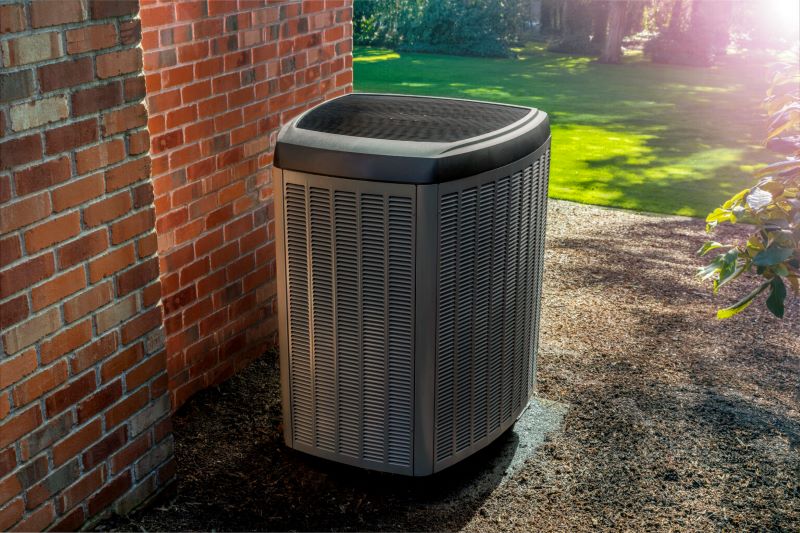
A heat pump that seems to run nonstop can quickly leave you wondering whether something is wrong, especially when your home is already at a comfortable temperature. While longer cycles can be normal during extreme Florida weather, a heat pump not turning off may also point to thermostat problems, restricted airflow, dirty coils, low refrigerant, or another HVAC issue.
So, why is my heat pump not turning off, and when should you be concerned? In this guide, we’ll cover the most common reasons a heat pump will not turn off, what to check yourself, why the heat pump fan may keep running, and when it’s time to schedule professional heat pump service in Deep Creek, FL.
Why Is My Heat Pump Not Turning Off?
If you’re wondering, “Why is my heat pump not turning off?”, the answer depends on how long it has been running, the outdoor conditions, and whether your home is reaching the thermostat setting. Heat pumps are designed to run in cycles, but they may operate for longer periods during periods of high heating or cooling demand. Continuous operation can become a concern when the system cannot maintain the desired temperature or shows other signs of poor performance.
How a Heat Pump Normally Cycles On and Off
During normal operation, your thermostat monitors the indoor temperature and signals the heat pump when heating or cooling is needed. The system runs until the home reaches the desired temperature, then shuts off until another cycle is required.
Cycle length varies based on outdoor temperature, thermostat settings, home insulation, system size, and other factors. Rather than focusing on an exact number of minutes, pay attention to significant changes in how your system normally operates.
When Longer Heat Pump Cycles Are Normal
Longer cycles do not automatically mean something is wrong. During especially hot or humid weather in Deep Creek, FL, your heat pump may need to run longer to remove heat and moisture from your home.
A properly operating heat pump may also favor longer, steadier cycles instead of frequently switching on and off. If your home remains comfortable, the system reaches the thermostat setting, and there are no other unusual symptoms, extended operation may simply reflect increased cooling demand.
When Continuous Operation May Signal a Problem
If your heat pump will not turn off even after your home reaches the desired temperature, or it runs constantly without getting your home comfortable, further investigation may be necessary. Dirty filters, thermostat problems, restricted airflow, dirty coils, refrigerant issues, duct leaks, or mechanical problems can all contribute to excessive runtime.
Watch for warning signs such as weak airflow, inadequate heating or cooling, unusual noises, rising energy bills, or a heat pump fan that will not turn off. If basic thermostat and filter checks do not resolve the problem, professional HVAC service can identify why the system continues running.
8 Common Reasons Your Heat Pump Will Not Turn Off
1. Extreme Outdoor Temperatures Are Increasing Demand
Heat pumps may run longer during very hot or cold weather because the system has to work harder to maintain the indoor temperature. In Deep Creek, FL, high heat and humidity can extend cooling cycles because the system is removing both heat and moisture from the air.
Longer operation is not automatically a problem. However, if the system runs almost continuously, never reaches the thermostat setting, or performs poorly even during milder weather, something else may be affecting performance.
2. Your Thermostat Is Set Incorrectly or Malfunctioning
Start by checking the thermostat temperature, system mode, and fan setting. Make sure it is set to HEAT or COOL as needed and that the fan is set to AUTO rather than ON.
A faulty sensor, calibration issue, wiring problem, or thermostat malfunction can also send incorrect signals to the heat pump and keep it running longer than necessary. If the displayed temperature seems inaccurate or the system does not respond correctly to thermostat changes, professional testing may be needed.
3. A Dirty Air Filter Is Restricting Airflow
A clogged air filter reduces airflow through the HVAC system and can make your heat pump work harder to reach the set temperature. Restricted airflow may also contribute to longer cycles, weak airflow, and reduced heating or cooling performance.
Check the filter regularly and replace it according to the manufacturer’s recommendations. If your heat pump is not turning off and the filter is dirty, replacing it is a simple first step.
4. Your Heat Pump Is the Wrong Size for Your Home
An undersized heat pump may run almost continuously because it does not have enough capacity to keep up with your home’s heating or cooling needs. Improper sizing can also lead to poor humidity control, uneven temperatures, and higher energy use.
A professional load calculation considers factors such as square footage, insulation, windows, occupancy, and local climate to determine the correct system size. If your heat pump has always struggled to keep up, sizing may be part of the problem.
5. Dirty Coils Are Reducing Heat Transfer
Your indoor and outdoor coils need clean surfaces to transfer heat efficiently. Dirt and debris on the coils act like insulation, making it harder for the system to absorb and release heat.
When heat transfer is reduced, the heat pump may need to run longer to maintain comfort. Professional coil cleaning can help restore performance when buildup is affecting system efficiency.
6. Refrigerant Problems Are Reducing Performance
Refrigerant is essential for moving heat through the system. Low refrigerant caused by a leak can reduce heating and cooling capacity and cause the heat pump to run for extended periods without reaching the thermostat setting.
Other signs of a refrigerant problem may include frozen coils, weak cooling or heating, hissing sounds, or unusually long cycles. Refrigerant issues require professional diagnosis and should not be handled as a DIY repair.
7. Leaky Ductwork or Poor Insulation Is Losing Conditioned Air
Leaky ducts can allow heated or cooled air to escape before it reaches your living spaces, while poor insulation can allow outdoor heat to enter or indoor heat to escape. Both problems can make your heat pump run longer as it tries to compensate.
If some rooms are harder to keep comfortable or your system never seems to catch up, ductwork and insulation should be evaluated along with the heat pump itself.
8. Your Heat Pump Is Aging or Has a Mechanical Problem
Older heat pumps can lose efficiency as compressors, motors, electrical components, controls, and other parts wear down. A mechanical or electrical problem may also keep the system operating longer than normal.
If your heat pump does not turn off and you also notice unusual noises, rising energy bills, poor heating or cooling, or frequent repairs, professional service can determine whether the issue can be repaired or whether replacement may offer better long-term value.
Why Is My Heat Pump Fan Not Turning Off?
If your heat pump fan is not turning off, the issue may be as simple as the thermostat fan setting or as complex as a relay or control problem. The first step is determining whether the indoor blower is running continuously while the heating or cooling cycle has already ended.
Check Whether the Thermostat Fan Is Set to “On”
Look at your thermostat and check the fan setting. If it is set to ON, the blower will continue circulating air even when the heat pump is not actively heating or cooling.
Switching the fan setting to AUTO allows the blower to cycle with the HVAC system instead of running constantly. If the heat pump fan will not turn off after changing the setting, another issue may be involved.
Why the Fan May Continue Running After a Heating or Cooling Cycle
Some systems allow the blower to run briefly after a heating or cooling cycle ends. This helps move the remaining conditioned air through the ductwork and can be part of normal operation.
However, if the fan continues running for an unusually long time, the thermostat, fan control, or HVAC system may not be responding correctly. Pay attention to whether the home is still being heated or cooled or if only the blower remains on.
Fan Relay and Control Board Problems
A stuck fan relay or faulty control board can keep the blower energized even when the thermostat is no longer calling for heating or cooling. Wiring issues can create similar symptoms.
These components require electrical testing, so avoid opening control panels or attempting internal repairs yourself. A technician can determine whether the fan relay, control board, or another electrical component is responsible.
When a Heat Pump Fan That Will Not Turn Off Needs Service
Schedule professional HVAC service if the fan continues running after the thermostat is set to AUTO, does not stop after a normal post-cycle delay, or runs continuously even when the system is turned off at the thermostat.
You should also call for service if the constant fan operation comes with unusual noises, electrical odors, poor heating or cooling, or rising energy bills. A professional can diagnose why the heat pump fan is not turning off and restore normal system operation.
Heat Pump Not Turning Off Because of Thermostat Problems
If your heat pump is not turning off, the thermostat may be part of the problem. Incorrect settings, faulty sensors, wiring issues, or communication errors can keep the system running even after your home reaches the desired temperature. Checking the thermostat is one of the simplest places to start before assuming there is a larger HVAC issue.
Incorrect Temperature Settings
Make sure the thermostat is set to a reasonable temperature for current outdoor conditions. Setting the temperature much lower in cooling mode or much higher in heating mode can cause the heat pump to run for extended periods while trying to reach the target.
If your home has already reached the set temperature but the system keeps running, the thermostat may not be reading indoor conditions correctly.
Thermostat Set to the Wrong Fan Mode
Check whether the fan is set to ON or AUTO. When set to ON, the indoor blower can continue running even after the heating or cooling cycle ends, making it seem like the heat pump will not turn off.
Switching the fan to AUTO should allow it to cycle with the heat pump. If the fan continues running anyway, a control or electrical issue may be responsible.
Faulty Temperature Sensors
The thermostat uses a temperature sensor to determine when your home has reached the setpoint. If the sensor is inaccurate or malfunctioning, it may continue telling the heat pump to run even when the room is already comfortable.
Signs of a sensor problem can include incorrect temperature readings, frequent cycling, or a system that runs much longer than expected.
Wiring and Communication Problems
Loose, damaged, or incorrectly connected thermostat wiring can interfere with communication between the thermostat and heat pump. In some cases, the system may continue receiving a call for heating or cooling even when it should shut off.
Smart thermostats can also experience communication or configuration issues. Professional testing can help determine whether the problem is in the wiring, thermostat, or HVAC controls.
When Thermostat Replacement May Be Necessary
Replacement may make sense if the thermostat is older, frequently loses settings, displays inaccurate temperatures, becomes unresponsive, or continues causing control problems after other issues have been ruled out.
Before replacing it, have an HVAC technician confirm that the thermostat itself is responsible. If your heat pump does not turn off because of a relay, control board, wiring, or equipment problem, installing a new thermostat alone will not solve the issue.
How a Dirty Air Filter Can Keep Your Heat Pump Running
A dirty air filter may seem like a small maintenance issue, but it can have a noticeable effect on heat pump performance. When the filter becomes clogged with dust, pet hair, and other debris, airflow through the HVAC system decreases. If your heat pump will not turn off, checking the air filter is one of the simplest troubleshooting steps you can take.
Restricted Airflow Makes the System Work Harder
Your heat pump needs steady airflow to transfer heat and distribute conditioned air throughout your home. A clogged filter restricts that airflow, which can make it harder for the system to reach the thermostat setting.
As a result, heating or cooling cycles may become longer. Severe airflow restriction can also contribute to other performance problems, including weak airflow from the vents and coil freezing during cooling operation.
Signs Your HVAC Filter Needs Replacement
A visibly dirty or clogged filter is the most obvious sign that replacement may be needed. You might also notice weak airflow, more dust around the home, longer HVAC cycles, or difficulty maintaining comfortable temperatures.
Check your filter regularly rather than waiting for these symptoms to appear. The appropriate replacement schedule depends on the filter type, manufacturer recommendations, household conditions, pets, and how frequently your HVAC system operates.
How Regular Filter Changes Support Heat Pump Performance
Replacing HVAC filters as needed helps maintain proper airflow through the system. Better airflow allows the heat pump to transfer and distribute conditioned air more effectively, which can help it reach the thermostat setting without unnecessary runtime.
Regular filter changes also help limit dirt accumulation on internal HVAC components. If you replace a dirty filter but your heat pump is not turning off, another issue, such as dirty coils, thermostat problems, duct leaks, or low refrigerant, may require professional attention.
Can Low Refrigerant Cause a Heat Pump Not to Turn Off?
Yes. Low refrigerant can contribute to a heat pump not turning off because the system may struggle to transfer enough heat to reach the thermostat setting. When refrigerant levels are too low, heating and cooling performance can drop, causing longer run times and putting additional strain on the equipment.
How Refrigerant Supports Heat Transfer
Refrigerant absorbs and releases heat as it circulates through the heat pump system. In cooling mode, it helps move heat from inside your home to the outdoors. In heating mode, the process reverses so the system can transfer heat into your home.
If the refrigerant charge is too low, the heat pump cannot move heat as effectively. The system may then run for extended periods while trying to satisfy the thermostat.
Signs Your Heat Pump May Have a Refrigerant Problem
Possible warning signs include weak heating or cooling, unusually long cycles, ice on the indoor coil or refrigerant lines, hissing sounds, and higher energy bills. You may also notice that your heat pump does not turn off because the indoor temperature never reaches the desired setting.
Low refrigerant usually points to a leak or another system issue, since refrigerant does not normally get used up during operation.
Why You Should Never Attempt DIY Refrigerant Repairs
Refrigerant work requires specialized equipment, training, and proper handling procedures. Simply adding refrigerant without locating and repairing a leak does not address the underlying problem and can lead to improper system pressures.
If you suspect low refrigerant is causing your heat pump to run constantly, schedule professional HVAC service. A technician can inspect the system, locate any leaks, repair the source of the problem, and restore the correct refrigerant charge.
What to Do When Your Heat Pump Will Not Turn Off
If your heat pump will not turn off, start with a few basic checks before assuming the system needs a major repair. Thermostat settings, dirty filters, blocked vents, and debris around the outdoor unit can all contribute to longer run times. If these simple steps do not restore normal operation, professional service can help identify the underlying problem.
Check the Thermostat Temperature and Mode
Confirm that your thermostat is set to the correct mode, either COOL or HEAT, depending on your needs. Then check the set temperature. A setting that is significantly different from the current indoor temperature can cause the heat pump to operate for an extended period.
If the room has already reached the set temperature but your heat pump does not turn off, a thermostat or HVAC control problem may be involved.
Set the Thermostat Fan to “Auto”
Check the thermostat’s fan setting. When the fan is set to ON, the indoor blower can continue running even when the heat pump is not actively heating or cooling. This can make it seem as though the entire system is running constantly.
Set the fan to AUTO so it cycles with the heating or cooling system. If the heat pump fan will not turn off afterward, professional diagnosis may be necessary.
Inspect and Replace a Dirty Air Filter
Check your HVAC filter for visible dirt and buildup. A clogged filter restricts airflow, potentially making the heat pump operate longer to reach the thermostat setting.
Replace a dirty filter with the correct type and size for your system. Continue monitoring system performance afterward. If the heat pump still runs continuously, another airflow or equipment problem may be responsible.
Make Sure Supply and Return Vents Are Open
Walk through your home and make sure supply and return vents are open and unobstructed. Furniture, rugs, curtains, boxes, and other objects can interfere with airflow and make it harder for conditioned air to circulate.
Avoid closing multiple supply vents in an attempt to redirect air. Your HVAC system and ductwork are designed to operate with specific airflow requirements, and excessive restrictions can create additional performance problems.
Check the Outdoor Unit for Obstructions
Inspect the area around the outdoor heat pump without opening or reaching inside the equipment. Remove loose leaves, vegetation, and other debris that may restrict airflow around the unit, while following manufacturer clearance recommendations.
Do not attempt to disassemble the outdoor unit or clean internal electrical components yourself. If the coil is heavily soiled or the equipment appears damaged, schedule professional service.
Know When to Stop Troubleshooting
Stop troubleshooting and call an HVAC professional if your heat pump is not turning off after these basic checks or if you notice burning or electrical odors, repeated breaker trips, unusual noises, ice buildup, weak heating or cooling, or other abnormal operation.
Avoid repeatedly resetting breakers or opening electrical panels and HVAC equipment. A technician can safely test the thermostat, controls, refrigerant system, electrical components, airflow, and other potential causes to determine why your heat pump continues running.
How to Prevent Heat Pump Problems and Excessive Runtime
Some longer heat pump cycles are normal, particularly during periods of extreme Florida heat and humidity. However, routine maintenance can help prevent airflow restrictions, dirty components, and other problems that may cause excessive runtime. Taking care of small maintenance tasks and responding to performance changes early can help your heat pump operate more reliably.
Replace Air Filters Regularly
A clean HVAC filter helps maintain proper airflow through your heat pump system. When filters become clogged with dust, pet hair, and other debris, restricted airflow can make it harder for the system to reach the thermostat setting.
Check your filter regularly and replace it according to the filter and equipment manufacturer’s recommendations. Homes with pets, higher dust levels, or frequent HVAC use may require more frequent filter changes.
Keep the Outdoor Unit Clean and Clear
Your outdoor heat pump needs adequate airflow to transfer heat effectively. Keep leaves, grass clippings, vegetation, and other debris from accumulating around the unit, following the manufacturer’s clearance recommendations.
Avoid placing objects against the equipment or attempting to clean internal components yourself. If the outdoor coil has significant buildup, professional cleaning may be appropriate.
Maintain Proper Airflow
In addition to keeping the filter clean, make sure supply and return vents throughout your home remain open and unobstructed. Furniture, rugs, curtains, and other items should not block airflow.
If some rooms consistently receive weak airflow, the problem could involve ductwork, the blower, or another HVAC component. Correcting airflow problems can help the system distribute conditioned air more effectively.
Address Performance Changes Early
Pay attention to changes in how your heat pump operates. If heating or cooling cycles suddenly become much longer, airflow weakens, energy bills rise, or your home becomes harder to keep comfortable, do not wait for the problem to become more severe.
A heat pump not turning off can sometimes be an early indication of an underlying performance issue. Addressing the cause early may help prevent additional strain on the equipment.
Schedule Routine Professional Heat Pump Maintenance
Professional maintenance allows a technician to inspect important components, check system operation, evaluate airflow, clean components when needed, and identify developing problems.
Routine service cannot prevent every breakdown, but it can help keep your heat pump operating as intended and catch issues before they contribute to excessive runtime or unexpected repairs. If your heat pump will not turn off despite regular maintenance and basic troubleshooting, schedule professional diagnosis to determine the cause.
Professional Heat Pump Repair in Deep Creek, FL
If your heat pump will not turn off, professional service can help determine whether the problem involves the thermostat, airflow, refrigerant, electrical controls, or another system component. Executive Cooling provides heat pump repair in Deep Creek, FL, with a focus on accurate diagnosis, practical repairs, and dependable system performance.
Diagnose Why Your Heat Pump Will Not Turn Off
Continuous operation can have several possible causes, including thermostat problems, dirty filters, low refrigerant, dirty coils, duct leaks, improper system sizing, or aging components. Our technicians inspect the system carefully to determine why the heat pump is not turning off rather than treating only the symptom.
Accurate diagnosis helps identify whether the issue is minor and repairable or part of a larger performance problem.
Professional Heat Pump and Thermostat Repair
If the problem involves a faulty thermostat, sensor, fan relay, control board, refrigerant issue, wiring problem, or other HVAC component, our team can recommend the appropriate repair.
We can also address situations where the heat pump fan will not turn off or the system continues running after the thermostat reaches the set temperature.
Heat Pump Maintenance for Reliable Performance
Routine heat pump maintenance can help reduce the risk of excessive runtime and unexpected breakdowns. Professional service may include checking airflow, filters, coils, electrical components, thermostat operation, refrigerant conditions, and overall system performance.
Regular maintenance also provides an opportunity to identify small issues before they affect comfort or lead to more expensive repairs.
Schedule Heat Pump Service With Executive Cooling
If your heat pump does not turn off, runs constantly without keeping your home comfortable, or continues operating after basic troubleshooting, Executive Cooling is ready to help.
Schedule heat pump service with Executive Cooling in Deep Creek, FL, and let our experienced technicians diagnose the problem, explain your options, and help get your system back to normal cycling.
FAQs About Heat Pump in Deep Creak
Is it normal for a heat pump to run continuously?
A heat pump may run for extended periods during very hot or cold weather, particularly when heating or cooling demand is high. In Deep Creek, FL, high temperatures and humidity can contribute to longer cooling cycles. However, if your heat pump will not turn off even during milder conditions or cannot reach the thermostat setting, it may need professional attention.
Why does my heat pump run constantly even after reaching the set temperature?
If your home has reached the desired temperature but the heat pump continues operating, check whether the thermostat fan is set to ON instead of AUTO. A thermostat sensor problem, stuck relay, control board issue, or electrical fault could also keep parts of the system running when they should shut off.
Can a dirty filter cause a heat pump to run constantly?
Yes. A clogged air filter can restrict airflow and make it harder for your heat pump to distribute conditioned air effectively. The system may run longer as it attempts to reach the thermostat setting. Replacing a dirty filter is one of the first steps to try when your heat pump is not turning off.
Can low refrigerant cause a heat pump to keep running?
Yes. Low refrigerant, often caused by a leak, can reduce the heat pump’s ability to transfer heat effectively. This may result in poor heating or cooling and longer operating cycles because the system struggles to reach the desired temperature. Refrigerant problems require professional diagnosis and repair.
Should I turn off my heat pump if it won’t stop running?
Not necessarily. Longer operation can be normal during periods of high heating or cooling demand. However, turn the system off and seek professional help if you notice burning or electrical odors, repeated breaker trips, unusual or severe noises, or other signs of an electrical or mechanical problem. If the system simply runs too long without maintaining comfort, schedule HVAC service for diagnosis.
Can a bad thermostat cause a heat pump not to turn off?
Yes. A faulty thermostat sensor, incorrect setting, wiring problem, or control issue can cause the thermostat to continue calling for heating or cooling after it should stop. If the temperature displayed on the thermostat seems inaccurate or your system does not respond correctly to setting changes, the thermostat should be inspected.
When should I call an HVAC professional if my heat pump does not turn off?
Call a professional if your heat pump does not turn off after checking the thermostat, setting the fan to AUTO, replacing a dirty filter, and making sure vents are open. Professional service is also recommended if the system cannot reach the set temperature, runs continuously in mild weather, produces weak heating or cooling, makes unusual noises, or causes your energy use to increase unexpectedly.
Heat Pump Stuck on Repeat? Let’s Change the Tune!
A heat pump that will not turn off may simply be responding to extreme Florida weather, but continuous operation can also point to thermostat problems, restricted airflow, dirty coils, low refrigerant, or other HVAC issues. Checking basic settings and addressing performance changes early can help protect your comfort, while professional diagnosis can determine why the system is running longer than it should.
At Executive Cooling and Heating, we can help keep your home comfortable with Air Conditioning Repair Service in Punta Gorda, Air Conditioner Installation Services in Punta Gorda, Air Conditioner Maintenance Plans in Punta Gorda, Indoor Air Quality Services in Punta Gorda, Heating services in Punta Gorda, and Ductwork in Punta Gorda. We also offer financing options for qualifying services. Call (941) 637-9800 or contact us today, and let us help put an end to nonstop HVAC operation and get your comfort cycling normally again.