
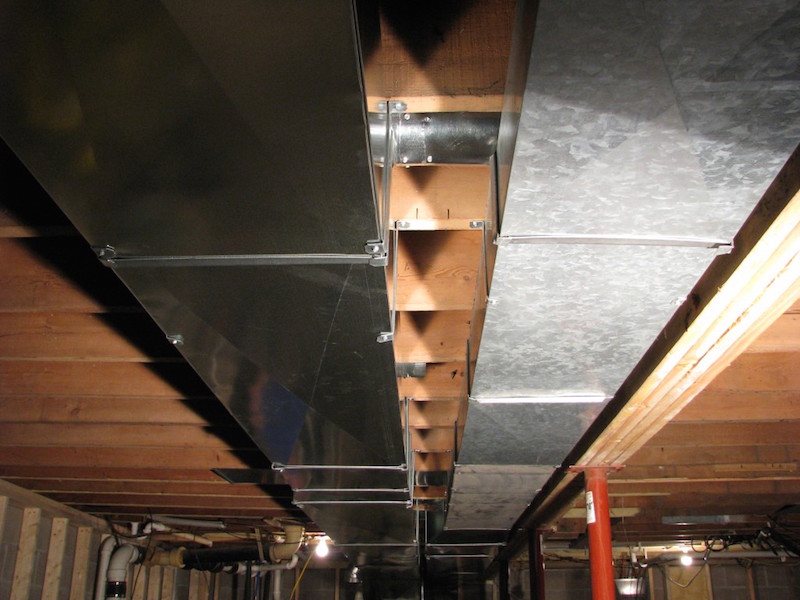
If your home always seems dusty, your allergies flare up indoors, or your energy bills keep climbing, your HVAC system could be part of the problem. While dirty air ducts often go unnoticed, they can affect your home’s indoor air quality and make your heating and cooling system work harder than necessary. Over time, dust, dirt, pet dander, and other debris can build up inside your ductwork, circulating through your home whenever the system runs.
So, can dirty air ducts cause health problems? In some cases, dirty ducts may contribute to poor indoor air quality and aggravate allergy or respiratory symptoms, especially for people who are more sensitive to airborne particles. They can also reduce HVAC efficiency, leading to higher energy costs and additional wear on your equipment. In this guide, we’ll explain how dirty ducts can impact your health and finances, the warning signs to watch for, and when professional duct cleaning may be the right solution.
What Are Dirty Air Ducts?
Dirty air ducts are sections of an HVAC ductwork system that have accumulated dust, debris, or other contaminants over time. Because air ducts carry heated and cooled air throughout the home, anything inside them may be disturbed when the system operates. While a light layer of dust is common, heavier buildup can affect airflow, indoor cleanliness, and HVAC performance.
How Air Ducts Become Dirty
Air ducts can become dirty as airborne particles move through the HVAC system. Dust, pet hair, pollen, and other debris may enter through return vents, gaps in the ductwork, or an overdue air filter. Renovation projects can also introduce drywall dust, sawdust, and construction debris into the system.
Poorly sealed ducts are especially vulnerable because they may pull contaminants from attics, crawl spaces, garages, and other unconditioned areas. High indoor humidity, water leaks, pest activity, and neglected HVAC maintenance can also contribute to dirty ductwork.
What Can Build Up Inside Dirty Ducts?
The materials found inside dirty air ducts vary depending on the home and surrounding environment. Common contaminants may include:
- Household dust and dirt
- Pet hair and dander
- Pollen and other outdoor particles
- Fibers from carpets, furniture, and clothing
- Construction or renovation debris
- Insect remains or pest droppings
- Moisture-related growth
- Debris from damaged duct insulation
When these materials collect in large amounts, they may restrict airflow or be redistributed through the home. Visible buildup around vents, persistent odors, and excessive indoor dust may indicate that the ductwork needs professional attention.
Are Dirty Air Ducts Always a Problem?
Not every dusty air duct requires immediate cleaning. A small amount of settled dust is normal and may remain inside the ductwork without entering the living space. Dirty duct cleaning is generally more appropriate when there is excessive debris, visible contamination, pest activity, moisture, or material that is affecting airflow.
Homeowners should also consider the condition of the entire HVAC system. Dirty filters, leaky ducts, high humidity, and poorly maintained equipment may continue introducing contaminants even after cleaning. A professional inspection can help determine whether dirty ducts are contributing to a larger problem and whether cleaning, sealing, repairs, or routine maintenance would provide the most effective solution.
Can Dirty Air Ducts Cause Health Problems?
Can dirty air ducts cause health problems? Dirty ducts are not automatically a health hazard, and a light layer of settled household dust is generally considered normal. However, air ducts may contribute to indoor air quality concerns when they contain excessive dust, mold, pest debris, or other contaminants that enter the home’s airflow. The potential impact depends on what is inside the ductwork, whether those materials are being distributed into living areas, and how sensitive the occupants are.
How Dirty Air Ducts Affect Indoor Air Quality
Your HVAC system circulates air through the home several times each day. If dirty air ducts contain loose dust, pollen, pet dander, mold spores, or pest-related debris, some particles may enter the air passing through the system. This can add to the overall level of indoor air pollution and make rooms feel dustier.
Dirty ducts may be only one part of the problem. Poor filtration, leaky ductwork, high humidity, outdoor pollutants, cleaning products, pet activity, and everyday household dust can also affect indoor air quality. For that reason, improving the air inside a home may require more than dirty duct cleaning alone.
Allergies and Respiratory Irritation
Airborne particles may irritate the eyes, nose, throat, and airways, especially among people with allergies or respiratory sensitivities. Possible symptoms can include sneezing, a stuffy or runny nose, coughing, itchy eyes, throat irritation, or wheezing.
These symptoms do not prove that dirty air ducts are the cause. However, if irritation becomes more noticeable when the HVAC system runs, or if visible debris is blowing from the vents, the ductwork and other system components should be inspected. Replacing the air filter, controlling dust sources, and addressing moisture may also help improve indoor conditions.
Asthma and Other Respiratory Conditions
People with asthma, chronic lung conditions, or other respiratory concerns may be more sensitive to airborne irritants and allergens. Dust, pollen, mold, and pest debris can act as triggers for some individuals, potentially worsening coughing, wheezing, chest tightness, or other symptoms.
Dirty duct cleaning should not be presented as a treatment for asthma or respiratory illness. However, removing confirmed contamination and correcting the source may be one part of creating a cleaner indoor environment. Anyone experiencing ongoing or severe respiratory symptoms should seek guidance from a qualified healthcare professional.
Mold Growth and Moisture Concerns
Mold needs moisture to grow, which means wet duct insulation, condensation, plumbing leaks, clogged drain lines, or high humidity should be addressed promptly. If mold develops inside an HVAC system, airflow may carry spores or fragments into occupied areas.
Mold exposure may cause nasal congestion, coughing, wheezing, eye irritation, or skin irritation in sensitive individuals. People with mold allergies, asthma, weakened immune systems, or chronic lung disease may experience more serious reactions.
Cleaning visible mold without correcting the moisture source is not an effective long-term solution because the growth may return. Wet or mold-damaged duct insulation may also need to be replaced rather than cleaned.
Who Is Most Sensitive to Dirty Air Ducts?
Although anyone may experience irritation from poor indoor air quality, certain household members can be more sensitive to airborne contaminants. These may include:
- People with asthma or environmental allergies
- Individuals with chronic respiratory conditions
- Older adults
- Infants and young household members
- People with weakened immune systems
- Anyone who is sensitive to dust, mold, pollen, or pet dander
If household members repeatedly experience symptoms indoors, consider having the entire HVAC system evaluated rather than assuming dirty air ducts are the only cause. A professional inspection can help identify visible contamination, moisture, air leaks, filtration problems, and other conditions that may be affecting indoor air quality.
How Dirty Ducts Can Impact Your Home and Finances
Dirty ducts can affect more than indoor cleanliness. When dust, debris, and other contaminants accumulate inside the ductwork, they may interfere with airflow and place additional strain on the HVAC system. Over time, these issues can reduce comfort, increase operating costs, and contribute to avoidable repairs.
Reduced HVAC Efficiency
Your HVAC system depends on steady airflow to distribute heated and cooled air throughout the home. When dirty air ducts contain heavy dust buildup, debris, or damaged insulation, airflow may become restricted. Leaky ductwork can also pull contaminants into the system or allow conditioned air to escape before it reaches the rooms.
Reduced airflow forces the system to run longer to maintain the thermostat setting. Some rooms may feel warmer or cooler than others, while the HVAC equipment continues operating without delivering consistent comfort. Dirty duct cleaning, duct sealing, or airflow corrections may help improve performance when contamination is contributing to the problem.
Higher Energy Bills
An HVAC system that works harder usually consumes more energy. If dirty ducts restrict airflow or allow conditioned air to leak into an attic, crawl space, or garage, the system may run more frequently to compensate for the lost heating or cooling.
Higher utility bills do not always mean the ductwork is dirty, but unexplained increases can be a warning sign. Dirty filters, aging equipment, refrigerant issues, poor insulation, and thermostat problems can also increase energy use. A professional inspection can identify whether the ductwork or another HVAC component is responsible.
Increased Wear and Tear on HVAC Equipment
Restricted airflow can place additional stress on important HVAC components, including the blower motor, evaporator coil, compressor, and heat exchanger. These parts may need to work harder or operate for longer periods when air cannot move freely through the system.
Dust and debris may also collect on HVAC components if the filter is overdue for replacement or contaminants enter through leaky return ducts. This buildup can interfere with heat transfer and cooling performance, increasing strain on the equipment during periods of heavy use.
More Frequent Repairs and Maintenance
Dirty air ducts may contribute to recurring HVAC problems when the underlying source is not corrected. Restricted airflow can lead to frozen evaporator coils, overheating components, weak airflow, and uneven temperatures. Moisture or pest activity inside the ductwork can create additional repair needs.
Cleaning alone may not prevent these problems from returning. The system may also need new filters, sealed duct connections, repaired insulation, drainage service, or humidity control. Addressing the full cause of dirty ducts can reduce repeated service calls and help prevent minor problems from becoming more expensive repairs.
Shorter HVAC System Lifespan
Heating and cooling equipment naturally wears down over time, but excessive strain may accelerate that process. When the system frequently runs longer because of restricted airflow, duct leaks, or poor air distribution, motors and other mechanical components experience additional operating hours.
Keeping the ductwork, filters, and HVAC equipment in good condition can help the system perform more efficiently and reduce unnecessary stress. Routine maintenance, timely repairs, and professional dirty duct cleaning when needed may support a longer service life and help homeowners delay the expense of premature equipment replacement.
5 Common Signs You May Have Dirty Air Ducts
1. Dust Around Supply Vents
A light layer of dust around air vents is normal, but excessive buildup that returns soon after cleaning may indicate dirty air ducts or airflow issues. If you notice dust collecting on vent covers or particles blowing from the registers when the HVAC system starts, debris may be circulating through the ductwork.
Dirty air filters, leaky return ducts, and construction debris can also contribute to this problem, so a complete HVAC inspection is often the best way to identify the source.
2. Musty or Unpleasant Odors
Persistent musty odors coming from your vents may suggest moisture, mold, mildew, or accumulated debris somewhere within the HVAC system. In some cases, unpleasant smells may also result from pest activity, dirty evaporator coils, clogged condensate drains, or standing water near the air handler.
If odors continue after replacing the air filter and cleaning your home, professional inspection can help determine whether dirty duct cleaning or another HVAC repair is needed.
3. Increased Dust Throughout the Home
If you find yourself dusting furniture more often than usual, your HVAC system may be circulating additional airborne particles. Dirty air ducts can contribute to excess household dust when loose debris is disturbed by moving air.
However, dirty ducts are only one possible cause. Leaky ductwork, poor filtration, open windows, pets, and everyday household activities can also increase indoor dust levels. An HVAC technician can evaluate whether the duct system is contributing to the problem.
4. Uneven Airflow or Reduced Comfort
Dirty ducts, heavy debris, or damaged ductwork can interfere with proper airflow throughout the home. As a result, some rooms may feel warmer or cooler than others, while the HVAC system runs longer to reach the desired temperature.
Reduced airflow may also be caused by clogged air filters, blocked vents, failing blower components, or leaking ducts. Identifying the underlying issue can help restore comfort and improve HVAC efficiency.
5. Visible Mold or Pest Activity
Visible mold around supply vents or signs of rodents or insects near the ductwork should never be ignored. Moisture inside the HVAC system can encourage mold growth, while gaps in the ductwork may allow pests to enter and leave behind nesting materials or droppings.
Because mold and pest contamination can affect both indoor air quality and HVAC performance, these issues should be inspected and addressed promptly. A professional can determine whether dirty duct cleaning, duct repairs, moisture control, or pest remediation is the appropriate solution.
When Is Dirty Duct Cleaning Recommended?
Dirty duct cleaning is not necessary for every home on a fixed schedule. In many cases, a small amount of settled dust inside the ductwork does not affect HVAC performance or indoor air quality. Professional cleaning may be appropriate when there is visible contamination, pest activity, excessive debris, or another condition that allows particles to enter the living space.
After Home Renovations
Remodeling and construction projects can release large amounts of drywall dust, sawdust, insulation fibers, and other fine debris. Even when contractors cover the vents, some particles may enter the ductwork and circulate when the HVAC system runs.
Dirty ducts cleaning may be recommended after a major renovation, especially if the system operated during the project or visible debris is present inside the vents. Replacing the air filter and cleaning nearby HVAC components may also be necessary to prevent construction dust from continuing to circulate.
Following Pest Infestations
Rodents, insects, and other pests can enter air ducts through damaged sections, loose connections, or unsealed openings. They may leave behind nesting materials, hair, droppings, or other contaminants that should not remain inside the HVAC system.
Before scheduling dirty duct cleaning, the pest infestation must be eliminated and all entry points should be sealed. Otherwise, the contamination may return. Damaged or heavily contaminated duct materials may need to be repaired or replaced rather than cleaned.
When Mold Is Present
Professional air duct cleaning may be appropriate when mold growth is confirmed inside hard-surface ductwork or on other HVAC components. However, the source of the moisture must also be corrected. Common causes include high humidity, condensation, clogged drain lines, water leaks, and damaged duct insulation.
Cleaning visible growth without addressing the moisture problem can allow it to return. Porous materials, such as wet or mold-contaminated fiberglass duct insulation, may not be suitable for cleaning and could require replacement. Because substances that look like mold are not always mold, professional evaluation may be needed.
If Dust and Debris Restrict Airflow
Heavy accumulations of dust, construction material, or other debris can reduce airflow through the duct system. Warning signs may include weak airflow from vents, uneven temperatures, longer HVAC cycles, and visible particles blowing into rooms.
Dirty duct cleaning may help when debris is physically blocking airflow, but the system should also be checked for clogged filters, crushed duct sections, closed dampers, leaks, and blower problems. Removing the buildup without correcting these related issues may not fully restore performance.
Understanding When Air Duct Cleaning May Be Appropriate
Air duct cleaning is generally most useful when there is clear evidence of a specific problem. This may include substantial visible mold growth, pest contamination, excessive debris, or particles being released through the supply registers. Cleaning may also be considered after renovations, water damage, or long periods of HVAC neglect.
Homeowners should be cautious of claims that routine dirty duct cleaning will prevent every health concern or automatically lower energy bills. The results depend on the condition of the ductwork and the rest of the HVAC system. A qualified technician can inspect the ducts, filters, coils, blower, insulation, and moisture levels to determine whether cleaning, sealing, repairs, or another service is the most appropriate solution.
How Professional Dirty Duct Cleaning Helps
Professional dirty duct cleaning removes accumulated dust, debris, and other contaminants from your HVAC ductwork using specialized equipment designed for the job. While cleaning is not necessary for every home, it can provide noticeable benefits when excessive buildup, construction debris, pest contamination, or other issues are present. When combined with proper HVAC maintenance, dirty duct cleaning can help improve system performance and contribute to a cleaner indoor environment.
Removes Dust and Debris
Over time, air ducts can collect dust, dirt, pet hair, pollen, insulation fibers, and other debris. Professional technicians use powerful vacuums, brushes, and other specialized tools to remove these materials from the ductwork without spreading them throughout the home.
If the duct system contains contamination from remodeling projects or pest activity, cleaning can also help remove loose debris that may otherwise continue circulating through the HVAC system.
Supports Better Indoor Air Quality
Removing excessive buildup from dirty air ducts may reduce the amount of dust and other airborne particles that circulate throughout the home. This can contribute to a cleaner indoor environment, particularly when combined with clean air filters, proper humidity control, and routine HVAC maintenance.
Because indoor air quality is influenced by many factors, dirty duct cleaning should be viewed as one part of a comprehensive approach. Filtration, ventilation, moisture control, household cleaning habits, and sealing air leaks also play important roles in maintaining healthier indoor air.
Helps Improve HVAC Performance
When heavy debris restricts airflow, the HVAC system may have to work harder to heat or cool the home. Cleaning dirty ducts can help restore proper airflow when buildup inside the ductwork is contributing to the restriction.
Improved airflow may help the system distribute conditioned air more evenly, reduce unnecessary strain on HVAC components, and support more efficient operation. If performance issues continue after cleaning, additional services such as duct sealing, equipment repairs, or system maintenance may be needed.
Creates a Cleaner Home Environment
A cleaner duct system can help reduce the amount of dust that settles on furniture, flooring, and other surfaces when excessive debris has been circulating through the HVAC system. Many homeowners also notice fresher-smelling indoor air after contaminants and odor-causing debris are removed from the ductwork.
Professional dirty duct cleaning is most effective when it is paired with ongoing HVAC care, including regular filter changes, routine maintenance, and prompt repairs. Together, these services help keep the entire heating and cooling system operating as efficiently and cleanly as possible.
How to Help Keep Your Air Ducts Clean
Keeping your air ducts clean starts with taking care of your entire HVAC system. While some dust buildup is unavoidable, regular maintenance and a few simple habits can reduce the amount of debris that enters your ductwork. These preventive measures can also help improve indoor air quality, support efficient system performance, and reduce the need for dirty duct cleaning.
Replace Air Filters Regularly
Your HVAC air filter is the first line of defense against dust, dirt, pollen, pet dander, and other airborne particles. A clean filter captures many of these contaminants before they can enter the ductwork or reach sensitive HVAC components.
Most homeowners should check their air filter every month and replace it according to the manufacturer’s recommendations or whenever it becomes dirty. Homes with pets, frequent HVAC use, or allergy concerns may require more frequent filter changes.
Schedule Routine HVAC Maintenance
Routine HVAC maintenance helps keep your heating and cooling system operating efficiently while reducing the buildup of dirt and debris. During a maintenance visit, a technician can inspect the ductwork, replace or recommend air filters, clean critical system components, and identify issues such as duct leaks, airflow restrictions, or drainage problems before they become more serious.
Regular maintenance also provides an opportunity to determine whether dirty ducts cleaning is actually needed or whether another HVAC issue is contributing to dust, odors, or reduced performance.
Control Indoor Humidity
High indoor humidity can contribute to moisture problems inside the HVAC system, increasing the risk of condensation and mold growth. In Southwest Florida’s humid climate, maintaining balanced humidity is an important part of keeping your ductwork in good condition.
Using your air conditioner properly, repairing water leaks promptly, improving ventilation, and using a whole-home or portable dehumidifier when necessary can help keep indoor humidity at comfortable levels. Managing moisture also helps protect duct insulation and other HVAC components.
Keep Vents and Registers Clean
Supply and return vents naturally collect dust over time. Vacuuming and wiping vent covers regularly can help prevent loose debris from being pulled into or blown out of the HVAC system.
It’s also important to keep furniture, rugs, and curtains from blocking vents and registers. Good airflow allows your HVAC system to operate more efficiently and helps reduce unnecessary strain on the equipment. If you notice excessive dust returning soon after cleaning the vents, it may be time to schedule a professional HVAC inspection to identify the underlying cause.
Need Professional Air Duct Cleaning in Port Charlotte?
If you’re concerned about dirty air ducts, recurring dust, musty odors, or declining HVAC performance, the team at Executive Cooling & Heating is here to help. We take the time to inspect your HVAC system, identify the source of the problem, and recommend the services that best fit your home’s needs. If air duct cleaning is the right solution, we’ll explain why. If another issue is affecting your indoor air quality or system performance, we’ll help you address that instead.
Why Homeowners Trust Executive Cooling & Heating
Since 1988, homeowners throughout Port Charlotte and the surrounding communities have trusted Executive Cooling & Heating for honest recommendations and dependable HVAC service. We believe in solving problems the right way, not selling services you don’t need. Our experienced technicians provide thorough inspections, quality workmanship, and straightforward communication so you can make informed decisions about your home’s comfort.
Experienced Duct Cleaning Professionals
Our team understands that every HVAC system is different. We use professional equipment and proven techniques to remove excessive dust and debris from your ductwork while carefully inspecting the rest of the system for airflow restrictions, duct leaks, moisture issues, and other conditions that may be affecting performance. Our goal is to help improve your HVAC system’s efficiency and support cleaner indoor air whenever dirty duct cleaning is appropriate.
FAQs About Dirty Air Ducts
How often should air ducts be cleaned?
There is no universal schedule for air duct cleaning. Many homes do not need routine cleaning if the ductwork is in good condition and free of excessive debris. Professional cleaning may be recommended after major renovations, pest infestations, water damage, or when there is visible mold, substantial dust buildup, or debris being released from the vents. A professional inspection can help determine whether dirty duct cleaning is appropriate for your home.
Is dirty duct cleaning worth it?
Dirty duct cleaning can be worthwhile when there is a specific issue affecting your HVAC system or indoor environment. Removing excessive dust, construction debris, pest contamination, or other buildup may help improve airflow and contribute to better indoor air quality. However, cleaning is most effective when it addresses an identified problem rather than being performed as routine maintenance for every home.
Can dirty air ducts increase my energy bills?
They can in some situations. Heavy dust or debris that restricts airflow may force your HVAC system to run longer to heat or cool your home, which can increase energy use. Leaky ductwork, dirty air filters, aging equipment, and poor insulation can also affect efficiency. If your utility bills have increased unexpectedly, a professional HVAC inspection can identify whether dirty air ducts or another issue is contributing to the problem.
Can dirty ducts make allergies worse?
Dirty air ducts may contribute to poor indoor air quality if dust, pollen, pet dander, mold spores, or other airborne particles are circulating through the HVAC system. For people with allergies or respiratory sensitivities, these contaminants may aggravate symptoms such as sneezing, coughing, congestion, or itchy eyes. Because many factors influence indoor air quality, it’s important to have the entire HVAC system evaluated rather than assuming dirty ducts are the only cause.
Should I have my air ducts professionally inspected?
A professional inspection is a good idea if you notice excessive dust around vents, musty odors, visible mold, pest activity, weak airflow, or higher-than-normal energy bills. An HVAC technician can examine your ductwork, air filter, insulation, airflow, and other system components to determine whether dirty duct cleaning, duct repairs, sealing, or another service is the most appropriate solution. An inspection helps ensure the underlying cause of the problem is identified before unnecessary work is performed.
Give Dust the Boot—Your Ducts will Thank You!
Dirty air ducts can affect more than just your HVAC system. Excessive dust, debris, moisture, or other contaminants may contribute to poor indoor air quality, reduce system efficiency, and increase operating costs over time. While not every home requires professional duct cleaning, recognizing the warning signs and addressing HVAC issues early can help protect your comfort, improve performance, and extend the life of your heating and cooling system.
If you think dirty air ducts may be affecting your home, we’re here to help. At Executive Cooling & Heating, we’ll inspect your HVAC system, determine whether duct cleaning is the right solution, and recommend the services that best fit your needs. Whether you’re looking for Air Conditioning Repair Service in Punta Gorda, Indoor Air Quality Services in Punta Gorda, Duct Work in Punta Gorda, or want to protect your system with our Air Conditioner Maintenance Plans in Punta Gorda, our experienced team is ready to assist. We also offer GreenSky Financing for qualified customers to help make larger HVAC projects more manageable. Call us today at (941) 637-9800 or contact us to schedule your inspection and let us help you enjoy a cleaner, healthier, and more comfortable home.