
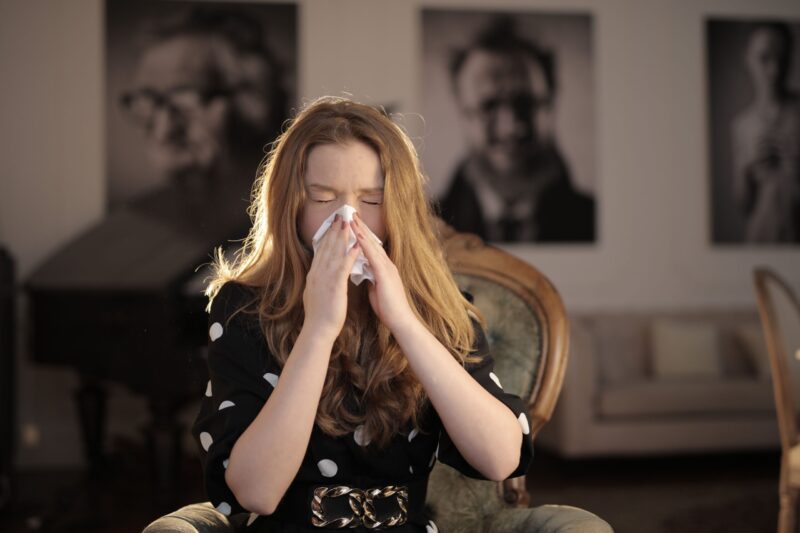
Indoor air quality plays an important role in your home’s comfort, especially if you experience sneezing, congestion, itchy eyes, or other allergy symptoms while indoors. Everyday contaminants such as dust mites, pet dander, pollen, mold spores, and household irritants can circulate through your living spaces and contribute to poor air quality. In Southwest Florida, warm temperatures and high humidity can also create conditions that encourage mold growth and dust mite activity. Since many homeowners rely on their air conditioning systems for much of the year, proper filtration, ventilation, and humidity management are important parts of maintaining a comfortable indoor environment.
Fortunately, several indoor air quality solutions for allergy relief can help reduce exposure to common indoor allergens and airborne irritants. Options such as upgrading HVAC filtration, installing compatible air purification equipment, using portable HEPA air purifiers, and managing indoor humidity can address different air quality concerns. Regular HVAC maintenance and simple cleaning habits can also support these efforts by helping maintain proper airflow and reduce the buildup of dust and moisture. In this guide, we’ll explore common indoor allergy triggers, practical ways to improve your home’s air quality, and how professional HVAC services from Executive Cooling & Heating can help homeowners in Punta Gorda find solutions suited to their home’s needs.
How Indoor Air Quality Affects Allergy Symptoms
The air inside your home can contain a variety of particles and pollutants that affect your comfort and respiratory health. Dust, pollen, pet dander, mold spores, and other airborne irritants may circulate through your living spaces, potentially triggering or aggravating allergy symptoms in sensitive individuals. Since people spend a significant amount of time indoors, managing these contaminants is an important part of creating a more comfortable home environment.
Improving indoor air quality can help reduce exposure to certain allergens, but it does not eliminate every trigger or replace medical treatment for allergies. Understanding what affects the air inside your home can help you identify potential concerns and choose practical solutions, including proper HVAC filtration, humidity management, ventilation, and regular equipment maintenance.
What Is Indoor Air Quality?
Indoor air quality (IAQ) refers to the condition of the air inside a home, office, or other enclosed space. It is influenced by the presence of airborne particles, gases, moisture, and other pollutants, as well as how effectively indoor air circulates and is filtered. When contaminants accumulate or ventilation is inadequate, indoor air may become less comfortable for occupants, particularly those sensitive to certain allergens and irritants.
Several factors contribute to indoor air quality, including:
- Airborne particles: Dust, pollen, pet dander, and mold spores can circulate through indoor spaces and settle on furniture, floors, and other surfaces.
- Gases and chemical pollutants: Cleaning products, paints, adhesives, smoke, and some household materials can release substances that affect indoor air.
- Moisture levels: Excess indoor humidity can encourage mold growth and create favorable conditions for dust mites.
- Ventilation: Proper ventilation helps remove stale air and dilute indoor pollutants by bringing in outdoor air when conditions allow.
- Filtration: HVAC filters and compatible air purification equipment can capture certain airborne particles as air moves through the system.
Your HVAC system also plays an important role in indoor air quality. As it circulates conditioned air throughout your home, its filter captures some airborne particles before they move through the equipment. Proper maintenance, suitable filtration, and adequate airflow help support this process. However, standard HVAC filters are not designed to remove every type of indoor pollutant, so additional solutions may be needed depending on your home’s air quality concerns.
Can Poor Indoor Air Quality Make Allergies Worse?
Yes. Exposure to certain indoor allergens can trigger or aggravate symptoms in people who are sensitive to them. When particles such as dust mite waste, pet dander, pollen, or mold spores become airborne, they may be inhaled or come into contact with the eyes and nasal passages. Repeated exposure can make indoor spaces uncomfortable for people with existing allergies.
Common symptoms associated with allergic reactions include:
- Sneezing and a runny or stuffy nose
- Itchy, watery, or irritated eyes
- Nasal congestion and postnasal drip
- Coughing or throat irritation
- Skin irritation in some individuals
Not every instance of coughing, congestion, or eye irritation is caused by poor indoor air quality. Other environmental factors and medical conditions can produce similar symptoms. If symptoms persist, become severe, or interfere with daily activities, consult a healthcare professional for proper evaluation.
Improving indoor air quality focuses on reducing exposure to potential triggers rather than treating the underlying allergy. For example, a suitable air filtration system may capture certain airborne particles, while humidity control can help discourage conditions that support mold and dust mite activity. Combining these measures with regular cleaning and addressing moisture sources can help make your home more comfortable.
Why Indoor Air Quality Matters in Florida Homes
Florida’s warm temperatures and high humidity create indoor air quality concerns that homeowners should not overlook. In Punta Gorda and throughout Southwest Florida, air conditioning systems often operate for extended periods to maintain comfortable indoor temperatures. While air conditioning removes some moisture as it cools the air, it may not resolve every humidity problem, particularly when equipment has drainage issues, airflow restrictions, or other performance concerns.
Excess indoor moisture can contribute to two common allergy-related concerns:
- Mold growth: Mold can develop in damp areas such as bathrooms, around windows, beneath sinks, and near HVAC equipment with drainage problems. As mold grows, it may release spores into the surrounding air.
- Dust mite activity: Dust mites thrive in warm, humid environments and are commonly found in mattresses, bedding, upholstered furniture, and carpets. Their waste and body fragments can become airborne and trigger allergic reactions in sensitive individuals.
Managing these concerns requires more than simply running your air conditioner. Homeowners should monitor indoor humidity, replace HVAC filters according to manufacturer recommendations, keep condensate drainage in good condition, and address leaks or persistent dampness promptly. A properly maintained HVAC system can also support consistent airflow and the operation of compatible filtration equipment.
For Florida homeowners, paying attention to indoor air quality is an important part of maintaining a comfortable home throughout the year. If your home feels persistently humid, develops musty odors, or has recurring airflow concerns, an HVAC professional can help evaluate the system and identify potential improvements.
5 Common Indoor Allergens and Air Pollutants That Trigger Allergies
1. Dust Mites and Household Dust
Dust mites are microscopic organisms that feed primarily on shed human and animal skin cells. They thrive in warm, humid environments and commonly live in places where dust and skin flakes accumulate. Although dust mites themselves are not usually airborne, their waste particles and body fragments can become airborne and trigger allergic reactions when inhaled.
Common places where dust mites and household dust collect include:
- Mattresses, pillows, and blankets
- Carpets and rugs
- Upholstered furniture
- Curtains and fabric window coverings
- Bedding and stuffed toys
Regular cleaning can help reduce exposure. Wash bedding according to care instructions, vacuum carpets and upholstery frequently, and use damp cloths when dusting to avoid spreading particles into the air. Allergen-resistant mattress and pillow covers may also help limit exposure to dust mite allergens. Since dust mites thrive in humid conditions, keeping indoor relative humidity at a manageable level can make your home less favorable to their growth.
2. Pet Dander and Hair
Pet dander consists of tiny flakes of skin shed by animals such as cats and dogs. These particles can carry proteins that trigger allergic reactions in sensitive individuals. Unlike larger pieces of pet hair, dander is small enough to remain airborne for a period of time and travel through indoor spaces.
Dander can also settle on surfaces throughout your home, including:
- Sofas, chairs, and upholstered furniture
- Carpets, rugs, and fabric-covered flooring
- Bedding, pillows, and blankets
- Curtains and other soft furnishings
- Pet beds and favorite resting areas
If you have pets, regular cleaning can help reduce the amount of dander that accumulates indoors. Wash pet bedding, vacuum floors and furniture, and clean frequently used areas. You may also consider keeping pets out of bedrooms to limit allergen buildup where you sleep. Appropriate HVAC filtration and air purification can complement these habits by capturing some airborne particles.
3. Mold Spores and Excess Moisture
Mold is a type of fungus that grows in areas where moisture is present. It can develop on damp surfaces and materials following plumbing leaks, roof leaks, condensation, or inadequate ventilation. As mold grows, it may release spores into the air, which can trigger allergic reactions in some people.
Common places to check for moisture and potential mold growth include:
- Bathrooms with poor ventilation
- Window frames and areas with recurring condensation
- Cabinets and spaces beneath sinks
- Damp closets and storage areas
- Areas around HVAC equipment with condensate drainage problems
- Attics or other spaces affected by roof leaks
Controlling moisture is essential to managing mold concerns. Repair plumbing or roof leaks, use exhaust fans in bathrooms, and address recurring condensation. If you notice standing water near your indoor HVAC unit, persistent musty odors, or repeated drain problems, have the system inspected by a qualified professional. Simply cleaning visible mold without correcting the moisture source may allow the problem to return. Extensive mold growth may require a qualified mold assessment or remediation professional.
4. Pollen and Outdoor Allergens
Pollen from trees, grasses, and weeds is a common outdoor allergen that can also affect indoor air quality. Even when your windows and doors are closed most of the time, pollen can enter your home through everyday activities. It may cling to clothing, shoes, hair, and pet fur before being transferred to indoor surfaces.
Once inside, pollen can collect on:
- Floors and carpets near entryways
- Upholstered furniture
- Bedding and curtains
- Window sills and other surfaces
- HVAC filters and other areas where airborne particles accumulate
During periods of high pollen levels, keeping windows and doors closed can help limit the amount entering your home. Removing shoes at the entrance, changing clothes after spending time outdoors, and cleaning surfaces regularly can also reduce pollen buildup. Your air conditioning system can help circulate indoor air through its filter, while an appropriately selected filtration or air purification system may capture additional airborne particles.
5. Volatile Organic Compounds (VOCs) and Household Irritants
Volatile organic compounds, commonly called VOCs, are gases released by certain liquids and solid materials. They can enter indoor air through everyday household products and building materials. Some VOCs may cause irritation, particularly when concentrations are high or ventilation is limited.
Common household sources include:
- Paints, varnishes, and paint removers
- Cleaning products and disinfectants
- Adhesives, sealants, and some building materials
- Air fresheners and scented sprays
- Furniture and certain household furnishings
- Stored fuels and solvents
Other irritants, including tobacco smoke, cooking fumes, and strong fragrances, can also affect indoor comfort. These substances do not all cause allergic reactions, but some can irritate the eyes, nose, throat, and respiratory system, especially in people with sensitivities.
One of the most practical ways to manage these pollutants is to reduce their sources. Choose lower-emission or fragrance-free products when practical, follow product instructions, and store chemicals safely in appropriate areas. Use kitchen and bathroom exhaust fans when needed, and provide adequate ventilation when using products that release fumes. Air filtration may capture certain particles, but ordinary HVAC filters do not remove every gas or VOC. Source control and appropriate ventilation remain important parts of maintaining healthier indoor air.
Indoor Air Quality Solutions That Can Help Reduce Allergy Triggers
Reducing indoor allergens often requires more than one approach. While regular cleaning helps remove particles from surfaces, HVAC filtration, air purification, humidity control, and proper ventilation can address different sources of indoor air quality concerns. The right combination depends on the contaminants in your home, your existing HVAC equipment, and the needs of your household.
For homeowners in Punta Gorda and throughout Southwest Florida, managing indoor air quality also means accounting for high humidity and frequent air conditioning use. Here are several indoor air quality solutions that may help reduce exposure to common allergy triggers and support a more comfortable home environment.
Upgrade Your HVAC Air Filtration System
Your HVAC air filter plays an important role in capturing airborne particles as air moves through your heating and cooling system. Depending on the filter type, it can trap contaminants such as dust, pollen, and pet dander before they continue circulating through your home. A suitable filter can help manage certain airborne allergens while supporting the system’s normal airflow.
One factor to consider when choosing an HVAC filter is its Minimum Efficiency Reporting Value, or MERV rating. This rating measures how effectively a filter captures particles of different sizes. In general, filters with higher MERV ratings capture a greater percentage of smaller particles. However, a higher rating is not automatically the best choice for every HVAC system.
Before upgrading your filter, consider the following:
- Check your equipment requirements: Review the manufacturer’s recommendations for the appropriate filter type and MERV rating.
- Consider airflow: Some higher-efficiency filters create greater resistance to airflow. If your system is not designed to accommodate them, this added restriction may affect performance.
- Choose the correct size: A properly fitted filter helps prevent unfiltered air from bypassing the filter.
- Follow a regular replacement schedule: Check your filter monthly and replace or clean it according to its condition and the manufacturer’s instructions.
If you’re unsure which filter is suitable for your equipment, an HVAC professional can help evaluate your system’s requirements. Choosing compatible filtration is important because capturing more particles should not come at the expense of proper airflow.
Consider Whole-Home Air Purification Systems
A whole-home air purification system works with your central HVAC equipment to treat air as it circulates through the home’s ductwork. Depending on the technology used, these systems may capture or help reduce certain airborne particles and contaminants throughout multiple rooms.
Unlike portable air purifiers that are designed for individual spaces, whole-home systems are integrated into the central heating and cooling setup. This can make them worth considering for homeowners who want an air quality solution that works with their existing HVAC system.
Potential benefits include:
- Broader coverage: A properly selected system can treat circulating air throughout the home rather than focusing on one room.
- Integration with existing equipment: Some systems are designed to work alongside central HVAC filtration.
- Convenience: Once installed, the equipment operates as part of the home’s HVAC system, subject to its specific controls and maintenance requirements.
- Targeted filtration: Different technologies are designed to address different types of airborne contaminants.
Not all whole-home air purification systems work the same way. Some use particle filtration, while others use different air-cleaning technologies. Their effectiveness depends on the equipment, installation, maintenance, and pollutants being targeted. Before choosing a system, consider your home’s layout, HVAC compatibility, and primary air quality concerns. A qualified HVAC professional can help determine which options are appropriate for your equipment.
Use HEPA Air Purifiers in Frequently Used Rooms
High-Efficiency Particulate Air (HEPA) filters are designed to capture at least 99.97% of airborne particles measuring 0.3 microns under specified test conditions. These filters can capture many common airborne allergens, including pollen, dust, and pet dander.
Portable HEPA air purifiers can be useful in rooms where household members spend a significant amount of time. For example, placing an appropriately sized unit in a bedroom may help reduce airborne particles in the space where you sleep. Living rooms and other frequently occupied areas may also benefit from additional filtration.
When selecting a portable air purifier, consider these factors:
- Room size: Choose a unit rated for the square footage of the room where you plan to use it.
- Clean Air Delivery Rate (CADR): This rating helps indicate how quickly an air purifier can deliver filtered air for certain particle types.
- Filter replacement: Check the manufacturer’s recommended replacement schedule and the availability and cost of replacement filters.
- Placement: Position the unit where its air intake and outlet have enough clearance for proper circulation.
- Noise level: Consider operating noise, especially if the purifier will run in a bedroom.
Keep in mind that a portable air purifier generally treats the air in its designated room, not the entire home. It also does not remove allergens that have settled on furniture, bedding, or floors. Combining air purification with regular cleaning and appropriate HVAC maintenance can provide a more complete approach to managing indoor allergens.
Improve Indoor Humidity Control
Humidity management is particularly important in Florida homes because warm, moist conditions can encourage mold growth and dust mite activity. When indoor moisture remains high, these allergens may become more difficult to manage, even if your home has an air filtration system.
A useful target for many homes is approximately 30% to 50% relative humidity. You can monitor indoor moisture levels with a hygrometer or a compatible thermostat that displays humidity readings. If your home consistently feels damp or humid, consider whether your cooling system is removing moisture effectively.
Several measures may help manage indoor humidity:
- Use your air conditioning system appropriately: A properly operating AC system removes some moisture as it cools indoor air.
- Consider a dehumidifier: Depending on your home’s conditions, a properly sized dehumidifier may provide additional moisture control.
- Address leaks promptly: Repair plumbing leaks, roof leaks, and other sources of unwanted moisture.
- Use exhaust fans: Run bathroom and kitchen exhaust fans to remove moisture and cooking-related pollutants.
- Monitor problem areas: Check closets, bathrooms, window frames, and areas around HVAC equipment for condensation or dampness.
If humidity remains high despite running your air conditioner, the issue may involve more than the thermostat setting. Restricted airflow, duct leakage, drainage problems, or equipment sizing can affect moisture removal. An HVAC professional can inspect the system and help identify potential causes rather than relying on lower thermostat settings alone.
Improve Ventilation and Air Circulation
Proper ventilation helps remove stale indoor air and reduce the buildup of certain pollutants. Everyday activities such as cooking, cleaning, showering, and using household products can release particles, moisture, or gases into your home. Without adequate ventilation, some of these contaminants may remain indoors longer.
You can improve ventilation and air circulation through several practical steps:
- Use kitchen exhaust fans: Run the range hood or exhaust fan while cooking to help remove cooking fumes, moisture, and airborne particles.
- Ventilate bathrooms: Use exhaust fans during and after showers to help remove excess moisture.
- Keep air vents unobstructed: Avoid placing furniture, curtains, or other objects in front of supply vents and return grilles.
- Consider mechanical ventilation: Depending on your home’s design, a mechanical ventilation system may help bring in outdoor air and remove stale indoor air in a controlled manner.
Opening windows can also introduce fresh outdoor air, but it is not always the best option for allergy-sensitive households. During periods of high pollen levels or poor outdoor air quality, keeping windows and doors closed may help limit the amount of outdoor pollutants entering your home. In Florida’s humid climate, opening windows can also introduce additional moisture.
The goal is to maintain suitable air circulation while managing outdoor pollutants and indoor humidity. If certain rooms feel stuffy or have inconsistent temperatures, an HVAC professional can evaluate airflow and ventilation concerns.
Keep Your HVAC System Clean and Properly Maintained
Even a suitable air filtration or purification system needs a properly maintained HVAC system to operate as intended. Over time, dust and debris can accumulate on internal components, while clogged condensate drains or restricted airflow may affect equipment performance. Routine maintenance helps identify these concerns and supports the proper operation of your heating and cooling equipment.
During a professional HVAC maintenance visit, a technician may inspect:
- Air filters and filter compartments: Check for proper fit, condition, and signs of airflow restriction.
- Evaporator and condenser coils: Inspect for dirt buildup that may affect heat transfer and system operation.
- Blower components: Check components responsible for moving conditioned air through the system.
- Condensate drainage: Inspect the drain pan and condensate line for signs of blockage, leaks, or water accumulation.
- Electrical and mechanical components: Check relevant equipment connections and operating conditions as part of routine service.
Ductwork may also deserve attention if you notice persistent airflow problems, visible damage, disconnected sections, or signs of contamination. Leaking ducts can allow conditioned air to escape and may draw unwanted particles into the system, depending on their location and condition. However, duct cleaning is not automatically necessary for every home. An inspection can help determine whether cleaning, sealing, repairs, or another solution is appropriate.
For homeowners in Punta Gorda, regular HVAC maintenance is especially important because air conditioning systems often operate for much of the year. Keeping the equipment in good condition can support airflow, filtration, and humidity management while helping you identify issues that may affect indoor comfort.
5 Ways to Reduce Indoor Allergens Throughout Your Home
1. Establish a Regular Dusting and Vacuuming Routine
Dust can collect on furniture, floors, shelves, and other surfaces, carrying particles such as pollen, pet dander, and dust mite allergens. When disturbed, some of these particles can become airborne and circulate through your living spaces. Regular cleaning helps remove accumulated dust before it spreads.
For a more effective routine, consider these practices:
- Use damp cloths when dusting: Wipe shelves, tables, window sills, and other surfaces with a damp microfiber cloth to capture dust instead of spreading it into the air.
- Vacuum carpets and upholstery: Use a vacuum cleaner with a HEPA filter to capture smaller particles from carpets, rugs, and furniture.
- Clean overlooked areas: Include ceiling fans, light fixtures, shelves, curtains, and furniture in your regular cleaning schedule.
- Pay attention to floors: Sweep or vacuum frequently, especially near entryways where pollen and outdoor debris can collect.
- Clean HVAC vent surfaces: Remove visible dust from accessible supply vents and return grilles without opening or disturbing internal ductwork.
The frequency of cleaning may depend on your household. Homes with pets, carpeting, or occupants who are sensitive to dust may benefit from more frequent vacuuming and dusting.
2. Wash Bedding and Reduce Bedroom Allergens
Bedrooms can contain significant amounts of dust mite allergens because mattresses, pillows, blankets, and other fabric surfaces collect shed skin cells. Since people spend several hours sleeping each night, reducing allergen buildup in these areas can be an important part of managing indoor exposure.
Start by washing sheets, pillowcases, and blankets regularly according to their care instructions. You can also consider allergen-resistant covers for mattresses and pillows to help limit exposure to dust mite allergens. These covers create a barrier between occupants and allergens that may be present inside bedding materials.
A few additional bedroom habits can help:
- Wash stuffed toys and other fabric items regularly when possible.
- Reduce unnecessary clutter that can collect dust.
- Choose washable curtains or easier-to-clean window coverings.
- Vacuum bedroom carpets and rugs regularly.
- Keep bedding clean and avoid storing unused blankets or pillows in open areas.
Keeping the bedroom clean and manageable can make it easier to maintain a consistent allergen-reduction routine.
3. Manage Pet Dander in Living Areas
Pet dander can settle on furniture, carpets, rugs, and other surfaces throughout your home. Even if you regularly groom your pets, tiny skin flakes can continue to accumulate and become airborne when people or animals move around. This can be a concern for household members who are sensitive to pet allergens.
To manage pet dander in shared living spaces, wash pet bedding regularly and vacuum areas where your pets spend the most time. Clean upholstered furniture and other frequently used surfaces, and consider using washable furniture covers that can be cleaned as needed.
You may also want to keep pets out of bedrooms, particularly if someone in the household experiences allergy symptoms while sleeping. This can help limit the amount of dander accumulating on mattresses, pillows, and bedding.
Air filtration can complement these cleaning habits. A compatible HVAC filter or appropriately sized portable HEPA air purifier may capture some airborne pet dander. However, filtration works best as part of a broader approach that also includes regular cleaning and managing where allergens accumulate.
4. Reduce Moisture in Kitchens and Bathrooms
Kitchens and bathrooms are common sources of indoor moisture. Cooking, washing dishes, and showering release water vapor into the air, while plumbing leaks and condensation can leave surfaces damp. When moisture is not properly managed, mold may develop and release spores into indoor air.
To help keep these areas dry, make a few simple habits part of your routine:
- Use exhaust fans: Run kitchen ventilation while cooking and bathroom exhaust fans during and after showers to help remove moisture.
- Dry wet surfaces: Wipe down shower walls, sinks, countertops, and other damp surfaces when practical.
- Address plumbing leaks: Repair dripping faucets, leaking pipes, and damaged seals promptly.
- Check hidden areas: Inspect beneath sinks, around appliances, near windows, and inside cabinets for signs of dampness.
- Improve air circulation: Avoid keeping damp towels and other wet materials in enclosed spaces for extended periods.
If you notice recurring condensation, standing water, or musty odors, investigate the source rather than simply cleaning the visible moisture. Persistent dampness may indicate a plumbing, ventilation, or HVAC drainage issue. Addressing the underlying cause is important because cleaning alone will not prevent mold from returning if the area remains wet.
5. Limit Household Fragrances and Chemical Irritants
Some everyday household products release gases or particles that can affect indoor air quality. Scented candles, air fresheners, aerosol sprays, cleaning products, and certain paints or adhesives may release volatile organic compounds (VOCs) or other irritants. These substances do not necessarily cause allergic reactions, but they may irritate the eyes, nose, throat, or respiratory system, especially in sensitive individuals.
Reducing unnecessary sources of these pollutants can help improve your indoor environment. Consider choosing fragrance-free or lower-emission cleaning products when practical, limiting the use of scented sprays and candles, and following product instructions when using household chemicals.
Proper ventilation is also important. Use kitchen and bathroom exhaust fans where appropriate, and provide adequate ventilation when cleaning, painting, or working with products that release fumes. Store chemicals in their original containers and keep them away from frequently occupied living areas.
How to Choose the Right Indoor Air Quality Solution for Your Home
The best indoor air quality solution depends on what’s affecting the air inside your home. While some homeowners may benefit from better HVAC filtration or an air purifier, others may need to address excess moisture, poor ventilation, or sources of chemical irritants. Choosing the right approach starts with understanding the problem rather than relying on a single product to address every concern. Consider the following factors when deciding which improvements may be appropriate for your home.
Identify the Main Source of Indoor Allergens
Indoor air quality problems can come from several sources, and each may require a different solution. Airborne particles such as dust, pollen, and pet dander may be addressed through appropriate HVAC filtration or air purification. However, allergens that settle on carpets, bedding, furniture, and other surfaces also require regular cleaning. Air purifiers can capture certain particles while they circulate through the unit, but they cannot remove allergens that remain on surfaces.
Excess moisture presents a different concern because it can encourage mold growth and dust mite activity. In these cases, improving humidity control and correcting leaks or drainage problems are important steps. Chemical irritants and volatile organic compounds (VOCs) may require reducing the use of certain household products, improving ventilation, or addressing the source of the emissions. Identifying the main source helps you choose solutions that target the actual concern instead of investing in equipment that may not address it.
Consider Your HVAC System’s Compatibility
Before upgrading your HVAC filter or installing whole-home air purification equipment, consider whether your existing system can support the change. Filters with higher MERV ratings can capture smaller particles, but they may also create more resistance to airflow. If a filter is too restrictive for your equipment, it can affect system performance and place additional strain on certain components.
Whole-home air purification systems also have specific installation and operating requirements. The equipment must be compatible with your HVAC system, ductwork, and airflow capacity. Check your manufacturer’s specifications before making changes, especially if you’re considering a filter with a higher efficiency rating than your current one. A professional HVAC technician can evaluate your equipment and help determine which filtration or purification options are appropriate.
Compare Portable and Whole-Home Air Purification
Portable and whole-home air purifiers serve different needs. A portable unit is designed to clean the air in a specific room, making it a practical option for bedrooms, home offices, or frequently used living areas. When choosing one, consider the room’s square footage, the unit’s clean air delivery rate (CADR), filter type, noise level, and replacement filter costs. A properly sized HEPA air purifier can capture fine airborne particles in the room where it operates, but it does not provide filtration throughout the entire house.
A whole-home air purification system works with your central HVAC equipment to treat air as it circulates through the system. Depending on the technology and setup, it may provide filtration or other air treatment across multiple rooms served by the HVAC system. This option may be worth considering if you want a solution integrated with your existing heating and cooling equipment. However, installation requirements, maintenance needs, coverage, and compatibility should all factor into your decision. Comparing these details can help you determine whether a portable unit or a whole-home system better fits your home’s layout and air quality concerns.
Know When to Request a Professional HVAC Inspection
Some indoor air quality concerns may point to an HVAC issue that requires more than a filter replacement or portable air purifier. Persistent humidity, weak airflow, unusual odors coming from vents, frequent filter problems, or visible moisture around your indoor equipment are reasons to consider a professional inspection. These conditions may be related to restricted airflow, duct leaks, condensate drainage problems, or other equipment concerns.
During an inspection, an HVAC technician can evaluate relevant components, including the air filter, evaporator coil, blower, ductwork, and condensate drain. They can also check for airflow concerns and determine whether your existing system can support additional filtration or air purification equipment. If the inspection reveals a concern outside routine HVAC service, such as significant mold growth, you may need a qualified mold assessment or remediation professional. Addressing the underlying issue is important because installing an air purifier alone will not correct equipment problems or eliminate the source of excess moisture.
FAQs About Indoor Air Quality and Allergy Relief
What Is the Best Indoor Air Quality Solution for Allergies?
The best indoor air quality solution depends on the allergens or pollutants affecting your home. HVAC filtration and air purifiers can help capture airborne particles such as dust, pollen, and pet dander. Humidity management can help limit conditions that encourage mold and dust mites, while proper ventilation and source control can reduce exposure to certain household irritants. Combining these approaches may provide better results than relying on one solution alone.
Do Air Purifiers Help With Allergies?
Yes, appropriately selected air purifiers can help reduce certain airborne allergens, including pollen, dust, and pet dander. Their effectiveness depends on the filtration technology, room size, placement, and maintenance. For example, a portable purifier should be sized for the room where it will operate, and its filters should be cleaned or replaced according to the manufacturer’s instructions. Air purifiers do not remove allergens that have already settled on furniture, carpets, or bedding.
Is HEPA Filtration Better for Allergies?
HEPA filtration can be useful for capturing fine airborne particles. A true HEPA filter is designed to capture at least 99.97% of particles measuring 0.3 microns under specified testing conditions. Portable HEPA air purifiers are commonly used in individual rooms, while HVAC and whole-home filtration systems have different filter designs and performance requirements. The right option depends on your air quality concerns, coverage needs, and equipment compatibility.
What Is the Best Indoor Humidity Level for Allergy Sufferers?
A commonly recommended indoor relative humidity range is 30% to 50%. Keeping humidity within this range can help limit conditions that support dust mite activity and mold growth. Excess moisture may also contribute to musty odors and damp indoor surfaces. If your home consistently feels humid even when the air conditioner is running, consider checking for leaks, drainage concerns, or other issues affecting moisture control.
Can My HVAC System Help Reduce Indoor Allergens?
Yes. Your HVAC system can help capture certain airborne allergens when equipped with compatible filters or whole-home air cleaning equipment. As air circulates through the system, these components can collect particles such as dust, pollen, and pet dander. Regular maintenance is also important because dirty filters, restricted airflow, or neglected components can affect system performance. The filtration options you choose should match your equipment’s specifications.
How Often Should I Change My HVAC Filter to Reduce Allergens?
Check your HVAC filter at least once a month to see whether it needs cleaning or replacement. The actual replacement schedule depends on the filter type, manufacturer recommendations, household dust levels, pets, and how frequently you use your air conditioning system. Homes with pets or heavier dust buildup may need more frequent filter changes. Always follow the filter and equipment manufacturer’s instructions to maintain proper airflow.
Can Indoor Air Quality Problems Cause Allergy-Like Symptoms?
Yes. Exposure to indoor allergens and irritants such as dust mites, pet dander, mold spores, pollen, and household chemicals may contribute to sneezing, nasal congestion, coughing, and eye irritation. However, these symptoms can have several possible causes and are not always related to indoor air quality. If symptoms persist, worsen, or interfere with daily activities, consult a healthcare professional to help identify the cause.
How Much Do Indoor Air Quality Solutions Cost in Punta Gorda?
The cost of indoor air quality solutions in Punta Gorda depends on the equipment, installation requirements, compatibility with your existing HVAC system, and scope of work. Replacing a standard air filter will generally involve a different expense than installing whole-home air purification equipment or addressing a humidity control concern. A professional evaluation can help identify the source of the problem and determine which improvements are appropriate. Request an estimate from an HVAC professional to understand the equipment and installation costs for your home.
Give Indoor Allergens Less Room to Circulate!
Indoor air quality plays an important role in maintaining a comfortable and healthy-feeling home, especially in Southwest Florida, where heat and humidity can contribute to excess moisture, mold growth, and indoor allergen buildup. Common triggers such as dust mites, pet dander, pollen, and household irritants can affect the air you breathe every day. The right combination of HVAC filtration, air purification, humidity control, ventilation, and regular maintenance can help reduce exposure to certain airborne particles and improve your home’s indoor environment. Since every property has different air quality concerns, identifying the source of the problem is the first step toward choosing an effective solution.
At Executive Cooling & Heating as a leading HVAC contractor in Punta Gorda, we help homeowners find practical ways to improve comfort and system performance through our residential HVAC services in Punta Gorda. Whether you need indoor air quality in Punta Gorda, AC maintenance in Punta Gorda, air conditioning repair in Punta Gorda, or AC installation in Punta Gorda, our team can help you determine the right next step. We also provide duct work in Punta Gorda and commercial HVAC services in Punta Gorda to support the comfort of local homes and businesses. If you’re planning an HVAC upgrade or considering indoor air quality improvements, ask us about our available financing options. Call us at 941-637-9800 or contact us to schedule an evaluation and discuss solutions that fit your property’s needs.