
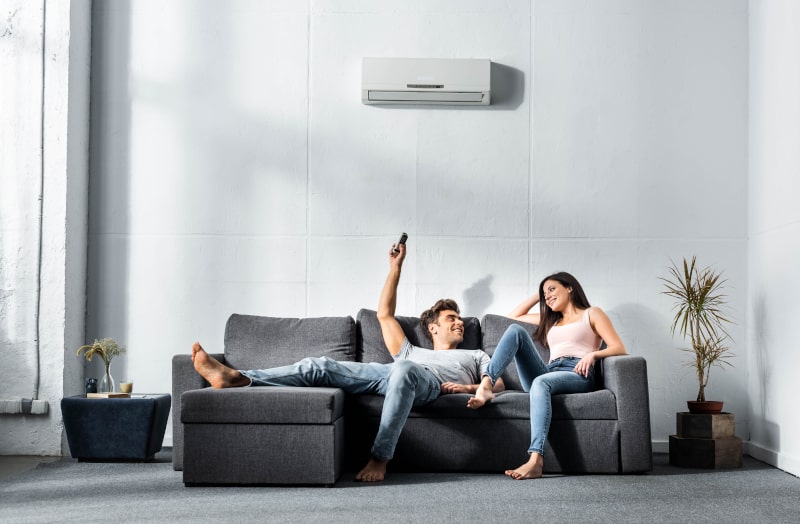
Is your ductless mini-split not cooling, making unusual noises, or refusing to turn on? While these issues can be frustrating, they don’t always mean your system needs a major repair. In many cases, a few simple checks can help identify the problem and determine whether it’s something you can address yourself or if it’s time to call an HVAC professional.
This guide walks you through basic ductless mini split system troubleshooting, steps to help restore comfort and keep your ductless mini-split AC system running efficiently. You’ll also learn about common mini-split problems, when professional repairs are necessary, and how routine maintenance can help prevent future issues.
Understanding How a Ductless Mini-Split System Works
Before troubleshooting a problem, it helps to understand how a ductless mini-split system operates. Unlike traditional central HVAC equipment, a mini-split does not rely on a network of ducts to distribute conditioned air. Instead, it uses one or more indoor units connected to an outdoor unit to provide targeted heating and cooling.
Because each component has a specific job, even a small issue can affect overall performance. Knowing how the main parts work together can make it easier to identify the source of weak airflow, poor temperature control, leaks, or other common problems.
What Is a Ductless Mini-Split AC System?
A ductless mini-split AC system is a heating and cooling system designed to control the temperature in individual rooms or zones. It typically includes an outdoor condenser and one or more indoor air handlers connected by refrigerant lines, electrical wiring, and a condensate drain.
Many ductless mini-split HVAC systems can provide both cooling and heating, making them a flexible option for bedrooms, garages, home additions, and spaces without existing ductwork. Each indoor unit can usually be controlled separately, allowing homeowners to adjust comfort based on how each room is used.
Common Components That Affect Performance
The indoor air handler distributes conditioned air directly into the room. If the blower, coil, or vents become dirty or blocked, the unit may produce weak airflow or struggle to maintain the desired temperature.
The outdoor condenser releases heat during cooling and absorbs heat during heating. Dirt, leaves, vegetation, or mechanical problems around the outdoor unit can reduce performance and place extra strain on the system.
Air filters trap dust, pet hair, and other particles before they reach the internal components. When filters become clogged, airflow drops and the system may freeze, overheat, or operate inefficiently.
The remote controller allows you to choose the operating mode, temperature, fan speed, and timer settings. Dead batteries or incorrect settings can make a properly functioning system appear to have a problem.
The drain line carries condensation away from the indoor unit. If it becomes clogged, disconnected, or damaged, water may back up and leak into the room. Checking these components is an important first step when you troubleshoot a ductless mini-split system.
Ductless Mini-Split System Troubleshoot: Check the Basics First
1. Make Sure the System Has Power
If your ductless mini-split AC system will not turn on, confirm that it is receiving power. Check your home’s electrical panel for a tripped breaker and reset it only once if needed. If the breaker trips again, leave it off and contact an HVAC professional, as repeated tripping may indicate an electrical problem.
You should also inspect the outdoor disconnect switch, which is usually located near the condenser. Make sure it has not been turned off accidentally. Finally, replace the batteries in the remote controller, since weak or dead batteries can make it seem like the system is not responding.
2. Verify the Remote Control Settings
Incorrect remote settings are a common reason ductless mini-split systems appear to be malfunctioning. Confirm that the unit is set to the correct operating mode. Choose cooling mode during hot weather and heating mode when you need warmth.
Check that the selected temperature is appropriate for the room. If the setting is too close to the current indoor temperature, the system may not run as expected. Review the fan mode as well, since auto, low, or quiet settings can affect airflow.
Timer settings may also prevent the unit from turning on or cause it to shut off unexpectedly. Cancel any active timers and restart the system to see whether normal operation returns.
3. Inspect for Error Codes
Many ductless mini-split HVAC systems use display lights, blinking indicators, or digital error codes to signal a problem. Look at the indoor unit for flashing lights or a code on the display panel.
Consult the owner’s manual to determine what the code means, as each manufacturer uses different signals. Error codes can help identify issues involving temperature sensors, communication wiring, refrigerant pressure, fan motors, or other components.
Avoid repeatedly resetting the system without addressing the code. If the error returns or the manual recommends professional service, schedule an inspection to prevent further damage.
Troubleshoot Poor Heating or Cooling Performance
If your ductless mini-split system is running but your home still feels uncomfortable, reduced heating or cooling performance may be the result of restricted airflow or simple operating conditions rather than a major mechanical failure. Before requesting service, perform a few basic checks that can help restore normal operation.
Clean Dirty Air Filters
Dirty air filters are one of the most common causes of poor performance in a ductless mini-split HVAC system. As dust, pet hair, and other debris build up on the filter, airflow becomes restricted, making it harder for the indoor unit to heat or cool the room effectively.
Remove the filter and clean it according to the manufacturer’s instructions. If the filter is damaged or excessively dirty, replace it if applicable. Keeping filters clean helps improve airflow, maintain energy efficiency, and reduce strain on the system.
Remove Airflow Obstructions Around the Indoor Unit
The indoor air handler needs adequate space to distribute conditioned air throughout the room. Furniture, curtains, shelves, or other objects placed directly in front of the unit can block airflow and reduce comfort.
Check that the supply vents are unobstructed and that nothing is preventing air from moving freely. Clearing the area around the indoor unit allows the system to deliver more consistent heating and cooling.
Check Outdoor Unit for Debris
The outdoor condenser also needs proper airflow to operate efficiently. Leaves, grass clippings, dirt, branches, and other debris can accumulate around the unit, restricting airflow and reducing system performance.
Inspect the area surrounding the condenser and remove any visible debris while keeping plants and shrubs trimmed back. Maintaining adequate clearance around the outdoor unit helps your ductless mini-split AC system operate more efficiently.
Make Sure Doors and Windows Are Closed
Open doors and windows allow conditioned air to escape while letting hot, humid outdoor air enter your home. This forces your mini-split system to work harder to maintain the desired temperature and may make it seem like the unit isn’t cooling or heating properly.
Before assuming there’s a mechanical problem, make sure all doors and windows are closed tightly. Reducing unwanted air leaks can improve comfort, increase efficiency, and help your ductless mini-split perform as intended.
6 Common Ductless Mini-Split Problems and What They Mean
1. Water Leaking from the Indoor Unit
Water leaking from the indoor unit is often caused by a clogged condensate drain line, a frozen evaporator coil, or a damaged drain pan. When condensation cannot drain properly, it may overflow and drip into your home.
If you notice water around the indoor unit, turn the system off and inspect the air filter for excessive dirt. If the leak continues after cleaning the filter or appears severe, schedule professional service to diagnose and repair the problem.
2. Strange Noises During Operation
Most ductless mini-split HVAC systems operate quietly, so new or unusual sounds should not be ignored. Rattling may indicate loose panels or hardware, while buzzing can point to electrical issues. Clicking during startup and shutdown is often normal, but persistent clicking, grinding, or squealing noises may signal worn or damaged components.
If unusual sounds continue after checking for obvious obstructions, have the system inspected to prevent additional wear.
3. Weak Airflow
Weak airflow usually indicates that conditioned air is being restricted before it reaches your living space. Dirty air filters, blocked vents, debris around the indoor unit, or blower problems are common causes.
Start by cleaning the air filter and making sure nothing is obstructing the indoor air handler. If airflow does not improve, the issue may involve internal components that require professional diagnosis.
4. Frozen Evaporator Coil
A frozen evaporator coil can prevent your ductless mini-split AC system from cooling properly. Restricted airflow, dirty filters, blocked coils, or low refrigerant are among the most common causes.
If you see ice forming on the indoor unit, turn the system off and allow the coil to thaw. Continuing to operate the system while it is frozen may lead to additional damage. Once thawed, schedule an inspection if the problem returns.
5. Unpleasant Odors
Musty, stale, or unpleasant odors coming from your mini-split may indicate mold, mildew, bacteria, or accumulated dirt inside the indoor unit or drain system. In some cases, odors can also result from standing water caused by a clogged condensate drain.
Cleaning the filters may improve minor odors, but persistent smells should be evaluated by an HVAC technician to identify and address the underlying cause.
6. Short Cycling
Short cycling occurs when the ductless mini-split system turns on and off repeatedly without completing a normal heating or cooling cycle. This can reduce comfort, increase energy consumption, and place unnecessary strain on the equipment.
Common causes include dirty air filters, incorrect thermostat or remote settings, refrigerant problems, oversized equipment, or electrical issues. Because several different factors can cause short cycling, professional diagnosis is often the best way to restore reliable operation.
When DIY Troubleshooting Isn’t Enough
Basic checks such as cleaning filters, replacing remote batteries, and clearing debris around the outdoor unit can resolve some minor issues. However, certain problems with a ductless mini-split system require specialized tools, technical knowledge, and professional repair. Continuing to operate the equipment when a serious issue is present may lead to additional damage, reduced efficiency, or safety concerns.
Refrigerant Problems
Low refrigerant can cause weak cooling, frozen coils, longer operating cycles, and reduced efficiency. Because refrigerant moves through a sealed system, low levels usually indicate a leak rather than normal use.
Refrigerant leaks should always be handled by a licensed HVAC technician. A professional can locate the leak, repair the damaged area, test the system, and recharge it to the correct level. Simply adding refrigerant without fixing the leak will not provide a lasting solution.
Electrical Issues
Electrical problems may prevent the unit from turning on, cause the breaker to trip repeatedly, or create buzzing, burning odors, and intermittent operation. Possible causes include damaged wiring, failed capacitors, faulty control boards, loose connections, or communication problems between the indoor and outdoor units.
Do not repeatedly reset a tripped breaker or attempt to open electrical panels. Turn the system off and schedule professional service, especially if you notice sparks, smoke, or a burning smell.
Condensate Drain Problems
A clogged, disconnected, or damaged condensate drain can cause water to leak from the indoor unit. While homeowners may be able to remove a small, visible blockage, deeper clogs often require professional cleaning equipment.
A technician can inspect the drain line, drain pan, and condensate pump, if equipped, to determine why water is backing up. Prompt repair can help prevent moisture damage, mold growth, and repeated leaks.
Compressor or Fan Motor Failure
The compressor and fan motors are essential to the operation of ductless mini-split HVAC systems. A failing compressor may cause poor cooling, unusual noises, hard starting, or a complete loss of operation. A damaged fan motor can lead to weak airflow, overheating, or problems transferring heat.
These components should not be repaired without professional training. An HVAC technician can test the motors, electrical controls, and related parts to determine whether a repair or replacement is the most practical solution.
How Regular Maintenance Prevents Mini-Split Problems
Routine maintenance is one of the most effective ways to keep your ductless mini-split system operating efficiently and reduce the likelihood of unexpected breakdowns. Many of the most common mini-split problems, including weak airflow, poor cooling, water leaks, and frozen coils, can often be prevented with regular care. A little maintenance goes a long way toward improving performance, lowering energy use, and extending the life of your HVAC system.
Clean Filters Monthly
Your mini-split’s air filters collect dust, pet hair, pollen, and other airborne particles every day. As these contaminants build up, airflow becomes restricted, forcing the system to work harder to maintain the desired temperature.
Check the filters at least once a month and clean them according to the manufacturer’s instructions. Homes with pets, frequent HVAC use, or higher indoor dust levels may benefit from more frequent cleaning.
Schedule Professional Maintenance
While homeowners can handle basic cleaning tasks, professional maintenance helps ensure every part of your ductless mini-split HVAC system is operating properly. During a maintenance visit, an HVAC technician can inspect electrical components, clean coils, check refrigerant levels, clear the condensate drain, test system performance, and identify developing issues before they become costly repairs.
Scheduling routine maintenance also helps keep your system running efficiently throughout the cooling and heating seasons.
Keep the Outdoor Unit Clear
The outdoor condenser needs unrestricted airflow to release and absorb heat efficiently. Leaves, grass clippings, dirt, branches, and overgrown landscaping can block airflow and reduce the system’s performance.
Regularly inspect the area around the outdoor unit and remove debris while maintaining adequate clearance on all sides. Keeping the condenser clean helps improve efficiency and reduces unnecessary strain on the equipment.
Replace Worn Components Before They Fail
Like any HVAC equipment, certain mini-split components naturally wear over time. Belts, motors, sensors, capacitors, electrical connections, and other parts may gradually lose efficiency or begin to fail.
Routine inspections allow technicians to identify worn components early and recommend replacement before they cause larger system failures. Addressing minor issues proactively can help reduce repair costs, prevent unexpected breakdowns, and keep your ductless mini-split AC system operating reliably for years to come.
Professional Ductless Mini-Split Repair in Punta Gorda
When basic troubleshooting doesn’t solve the problem, it’s time to call a trusted HVAC professional. At Executive Cooling & Heating, we provide reliable repair services for ductless mini-split systems, helping homeowners in Punta Gorda restore comfort quickly and efficiently. Whether your system isn’t cooling, is leaking water, or is displaying an error code, our technicians are ready to identify the cause and recommend the right solution.
Fast Diagnosis for Mini-Split Problems
Many mini-split issues can have similar symptoms, making it difficult to pinpoint the exact cause without professional testing. Our technicians perform a thorough inspection of your ductless mini-split HVAC system, checking components such as the refrigerant lines, electrical connections, drain system, indoor air handler, outdoor condenser, and controls.
By identifying the underlying issue rather than treating only the symptoms, we can recommend repairs that help restore reliable heating and cooling performance.
Experienced HVAC Technicians
Since 1988, Executive Cooling & Heating has proudly served homeowners throughout Punta Gorda and the surrounding communities. Our experienced HVAC technicians are trained to diagnose and repair all major brands of ductless mini-split AC systems.
We believe in honest recommendations, quality workmanship, and clear communication throughout the repair process. Whether the problem is minor or more complex, we’ll explain your options and help you make an informed decision.
FAQs About Ways to Troubleshoot Ductless Mini-Split System
Why is my ductless mini-split not cooling?
A ductless mini-split may stop cooling because of dirty air filters, incorrect remote settings, blocked airflow, debris around the outdoor unit, low refrigerant, or a frozen evaporator coil. Start by checking the filters, thermostat settings, and outdoor condenser. If cooling does not improve, schedule professional service.
Why won’t my mini-split turn on?
Your mini-split may not turn on because of dead remote batteries, a tripped breaker, an inactive disconnect switch, timer settings, or an electrical problem. Confirm the system has power and replace the remote batteries. If the breaker trips again after being reset once, turn the system off and contact an HVAC technician.
Why is my mini-split leaking water?
Water leaks are commonly caused by a clogged condensate drain, frozen coil, damaged drain pan, loose drain connection, or condensate pump problem. Turn the unit off if water is pooling near electrical components or damaging the wall or floor. A technician can locate the source and restore proper drainage.
How often should mini-split filters be cleaned?
Mini-split filters should generally be checked and cleaned about once a month, especially during periods of heavy use. Homes with pets, smokers, or higher dust levels may need more frequent cleaning. Always follow the manufacturer’s care instructions for your specific ductless mini-split AC system.
Can I troubleshoot a mini-split myself?
You can safely perform basic troubleshooting, such as cleaning the filters, replacing remote batteries, checking settings, confirming the breaker is on, and removing debris around the outdoor unit. Refrigerant, electrical, motor, compressor, and internal drainage problems should be handled by a trained HVAC professional.
Why is my mini-split making strange noises?
Rattling may indicate loose hardware or debris, while buzzing can point to an electrical issue. Grinding, squealing, or persistent clicking may signal worn motors, fan problems, or damaged internal parts. Because most ductless mini-split systems operate quietly, new or ongoing noises should be inspected.
When should I call an HVAC professional?
Call an HVAC professional if your mini-split repeatedly trips the breaker, leaks water, freezes, short cycles, produces burning odors, displays recurring error codes, or continues to perform poorly after basic troubleshooting. Prompt service can help prevent additional damage and restore safe, reliable operation.
Keep Your Cool. We’ll Handle the Heat!
A few simple troubleshooting steps can often resolve minor issues with a ductless mini-split system, but persistent problems usually require professional attention. Whether you’re dealing with weak airflow, water leaks, unusual noises, or inconsistent temperatures, addressing the issue early can help prevent more extensive repairs and keep your home comfortable year-round. At Executive Cooling & Heating, we’re committed to providing dependable Air Conditioning Repair Service in Punta Gorda, expert Duct Work in Punta Gorda, solutions that support healthier indoor air quality in Punta Gorda, and preventative Air Conditioner Maintenance Plans in Punta Gorda to help your HVAC system perform at its best.
If your ductless mini-split isn’t operating the way it should, we’re here to help. Our experienced technicians will diagnose the problem, recommend the right solution, and get your system back to running efficiently as quickly as possible. We also offer flexible financing options to make unexpected HVAC repairs and replacements easier on your budget. Call us today at (941) 637-9800 or contact us to schedule your service. We look forward to helping you stay comfortable in every season.