
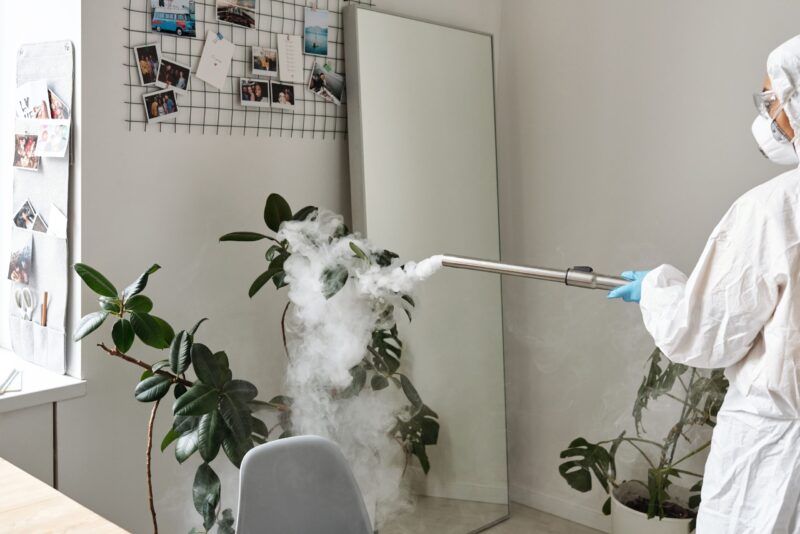
The air inside your home may contain more pollutants than you realize. Dust, pet dander, mold spores, cleaning chemicals, smoke, and other airborne contaminants can accumulate indoors through everyday activities, household materials, and outdoor exposure. When ventilation is limited or moisture levels remain high, these pollutants may linger in the air and affect your home’s comfort. Some can also contribute to eye, nose, and throat irritation or aggravate existing respiratory conditions. Because many indoor air quality problems are not immediately visible, understanding their common sources is an important step toward creating a healthier indoor environment.
So, what causes poor indoor air quality in your home? Several everyday factors can contribute, including dirty HVAC filters, inadequate ventilation, excess humidity, household cleaning products, and poorly maintained ductwork. In Florida, warm temperatures, high humidity, and an extended air conditioning season make moisture management and regular HVAC maintenance particularly important. In this guide, we’ll explain the most common causes of poor indoor air quality, identify the warning signs homeowners should watch for, and explore practical ways to reduce indoor pollutants. We’ll also discuss how your HVAC system affects air circulation, filtration, and humidity so you can make informed decisions about improving the air inside your home.
10 Causes of Poor Indoor Air Quality in Your Home
1. Excess Moisture, High Humidity, and Mold Growth
Excess moisture is one of the common contributors to poor indoor air quality. Plumbing leaks, roof damage, flooding, window condensation, and water intrusion can leave building materials damp. When moisture remains in areas such as bathrooms, kitchens, closets, and attics, it can create conditions that support mold growth. Mold releases spores into the air, which can circulate throughout the home.
High indoor humidity can also encourage dust mites and other biological pollutants. This is particularly important in Florida, where warm temperatures and naturally humid conditions can make moisture management more challenging. An air conditioner helps remove some moisture as it cools the home, but it may not resolve every humidity problem, especially if the system has drainage, airflow, or performance issues.
Watch for warning signs such as persistent musty odors, visible mold, condensation on windows, damp walls, and recurring moisture around your HVAC equipment. Addressing the source of the moisture is essential. Simply cleaning visible mold or covering up an odor will not correct an ongoing water or humidity problem.
2. Dust, Dust Mites, and Pet Dander
Dust is a common indoor pollutant that comes from several sources, including fabric fibers, skin particles, household materials, outdoor debris, and everyday activities. It can settle on furniture, flooring, shelves, and other surfaces before becoming airborne again when people move around or clean. Dust accumulation may also carry other particles and allergens into your home’s indoor environment.
Dust mites are microscopic organisms that feed on organic material found in household dust. They commonly live in mattresses, pillows, carpets, upholstered furniture, and bedding. Warm, humid conditions can support dust mite populations, making them an additional concern for homeowners in Southwest Florida.
Pet dander is another common source of indoor particles. It consists of tiny flakes of skin shed by animals and can become airborne or collect on carpets, furniture, clothing, and bedding. Regular vacuuming, washing household fabrics, cleaning surfaces, and maintaining appropriate HVAC filtration can help reduce the amount of dust and pet-related particles inside your home.
3. Dirty or Improperly Fitted HVAC Air Filters
Your HVAC air filter plays an important role in capturing certain airborne particles as air circulates through your heating and cooling system. Depending on its filtration rating, a filter can trap particles such as dust, pollen, and pet dander before they move through the equipment and back into your living spaces.
However, a neglected filter can become clogged with accumulated debris. This restricts airflow and may make it harder for your HVAC system to circulate conditioned air properly. A filter that is incorrectly sized or does not fit securely can also allow unfiltered air to bypass the filtration material, reducing its effectiveness.
Check your air filter monthly and replace disposable filters or clean reusable ones according to their condition and the manufacturer’s instructions. It is also important to choose a filter that is compatible with your equipment. A higher MERV rating does not automatically mean better performance for every HVAC system because some filters may create too much airflow resistance for certain equipment.
4. Poor Ventilation and Limited Fresh Air
Ventilation helps remove stale indoor air and bring in fresh outdoor air when conditions allow. Without sufficient air exchange, pollutants from cooking, cleaning, household products, and everyday activities can accumulate inside your home. Moisture and odors may also linger longer when indoor air is not adequately ventilated.
Homes with tightly sealed windows and doors may have less natural air exchange. Although sealing gaps can help improve comfort and reduce unwanted air infiltration, it can also make intentional ventilation more important. Kitchen and bathroom exhaust fans help remove cooking emissions, odors, and excess moisture at their source, particularly when they vent outdoors.
Opening windows can also improve ventilation when outdoor air quality and weather conditions are suitable. However, this may not be the best approach during periods of high humidity, heavy pollen, smoke, or elevated outdoor pollution. In Florida, bringing in excessively humid outdoor air can add to your home’s moisture load. If certain rooms consistently feel stuffy, an HVAC professional can help evaluate your home’s airflow and ventilation needs.
5. Smoke and Emissions From Fuel-Burning Appliances
Smoke and combustion emissions can introduce harmful particles and gases into your home’s indoor environment. Common sources include tobacco smoke, cooking activities, fireplaces, gas stoves, and other fuel-burning appliances. Depending on the source and conditions, combustion can release pollutants such as fine particulate matter, carbon monoxide, and nitrogen dioxide.
Proper installation, maintenance, and ventilation are important for appliances that burn fuel. Kitchen range hoods and exhaust systems can help remove cooking emissions, while fireplaces and other combustion appliances need appropriate venting to direct exhaust outdoors. Never operate fuel-burning equipment in ways that are not recommended by the manufacturer.
Carbon monoxide deserves particular attention because it is colorless and odorless, meaning you cannot detect it by smell. Install functioning carbon monoxide alarms in appropriate locations throughout your home and follow their testing and replacement instructions. If a carbon monoxide alarm sounds, leave the home immediately and contact emergency services from a safe location. Do not re-enter until authorities confirm it is safe.
6. Cleaning Products, Air Fresheners, and Household Chemicals
Some household products release volatile organic compounds (VOCs), which are gases emitted by certain liquids and solids. Common sources include cleaning solutions, aerosol sprays, paints, paint removers, adhesives, solvents, air fresheners, and fragranced products. Depending on the ingredients, concentration, and exposure, these emissions can contribute to indoor air pollution.
Using these products frequently in rooms with limited ventilation may allow chemical vapors to accumulate. Some VOCs can cause irritation or discomfort, particularly when exposure occurs in enclosed spaces. New furniture, flooring, and recently painted surfaces may also release VOCs into the indoor environment.
To limit unnecessary exposure, follow product labels, use only the recommended amounts, and provide appropriate ventilation when cleaning, painting, or working with household chemicals. Store products securely and avoid using more than necessary. Never mix cleaning products, especially bleach with ammonia or acidic cleaners, because dangerous gases can form.
7. Outdoor Air Pollution, Pollen, and Allergens
Not all indoor air pollutants originate inside your home. Outdoor particles can enter through open doors and windows, gaps around the building, and ventilation systems. Common examples include pollen, vehicle emissions, smoke, dust, and other airborne pollutants that can affect the air you breathe indoors.
Pollen from trees, grasses, and weeds may enter through open windows or attach to shoes, clothing, and pets. Smoke from nearby fires, vehicle exhaust, and airborne dust can also move indoors, depending on weather conditions and your home’s location. Once inside, some particles can settle on surfaces or remain suspended in the air.
You can reduce the amount of outdoor debris entering your home by using doormats, removing shoes indoors, cleaning surfaces regularly, and maintaining compatible HVAC filtration. Check local outdoor air quality and pollen conditions before opening windows, particularly during periods of heavy smoke, high pollen counts, or poor air quality.
8. Poorly Maintained HVAC Equipment and Ductwork
Your HVAC system helps circulate conditioned air throughout your home, so its condition can influence indoor comfort and air quality. Dirty components, restricted airflow, drainage problems, and damaged ductwork may interfere with normal system operation. When moisture collects around the indoor unit or within other parts of the system, it can also create conditions that support unwanted biological growth.
Leaking or damaged ductwork may affect indoor air conditions depending on where the leaks are located. For example, return-side duct leaks in dusty areas can draw unwanted particles into the system. Supply-side leaks can allow conditioned air to escape, reducing the amount delivered to certain rooms and affecting overall comfort.
Regular HVAC maintenance can help identify concerns involving filters, airflow, condensate drainage, and equipment components. However, an HVAC filter cannot address every indoor air quality issue. It does not automatically remove all gases, chemical vapors, or pollutants produced by moisture problems. If you notice persistent dust, unusual odors, water around your air handler, or uneven airflow, consider having your system and ductwork professionally evaluated.
9. Building Materials, Furniture, and Home Renovations
Certain building materials and household furnishings can release pollutants into the air. Paints, adhesives, carpets, flooring materials, pressed-wood furniture, and some insulation products may emit VOCs or other substances, particularly when they are new or recently installed. These emissions can contribute to indoor air pollution, especially in rooms with limited ventilation.
Home improvement projects can introduce additional airborne particles. Sanding, drilling, cutting, painting, and removing old materials may release dust, fibers, and chemical vapors. Renovation activity can temporarily increase indoor pollutant levels, making it important to follow product instructions and use appropriate ventilation and dust-control practices.
When planning a renovation, choose materials with lower emissions when practical and allow newly installed products to ventilate according to their manufacturers’ recommendations. Older or damaged building materials may require specialized assessment before removal. Avoid disturbing materials that could contain hazardous substances, such as asbestos or lead-based paint, unless they have been properly evaluated and handled by qualified professionals.
10. Radon and Other Gases That Can Enter the Home
Some indoor air pollutants are gases that cannot be identified through sight or smell. Radon is a naturally occurring radioactive gas produced by the breakdown of uranium in soil and rock. It can enter homes through cracks in foundations, openings around pipes, and other gaps where the building meets the ground. Because radon is invisible and odorless, testing is the only reliable way to determine whether it is present at elevated levels.
Carbon monoxide is another potentially dangerous indoor gas, but it has a different source and risk profile. It is produced by incomplete combustion from fuel-burning appliances, vehicles, generators, and other equipment. Unlike radon, carbon monoxide can pose an immediate poisoning hazard when it accumulates indoors.
If you are concerned about radon, arrange appropriate home testing and consult a qualified radon professional if elevated levels are detected. For suspected carbon monoxide exposure or an active alarm, leave the property and contact emergency services. These gas-related concerns require specific detection and safety measures, not just routine HVAC maintenance or air filtration.
5 Signs of Poor Indoor Air Quality in Your Home
1. Persistent Musty or Unusual Odors
A persistent musty smell may indicate excess moisture, particularly in areas such as bathrooms, closets, laundry rooms, attics, or around your HVAC equipment. Damp building materials can support mold growth, which may produce a noticeable earthy or musty odor. However, the absence of a smell does not guarantee that mold or moisture problems are not present.
Other unusual odors may come from cooking, tobacco smoke, cleaning products, paint, or household chemicals. If these smells linger long after the activity has ended, pollutants may be accumulating because of limited ventilation or an ongoing source.
Using air fresheners to cover up unpleasant odors does not eliminate the substances causing them. Instead, identify where the smell originates and address the underlying issue. Persistent musty odors may warrant an inspection for leaks, condensation, or hidden moisture.
2. Excessive Dust Buildup Around the Home
Frequent dust accumulation on furniture, shelves, vents, and other surfaces may indicate that airborne particles are continually entering or circulating through your home. Dust can come from fabric fibers, household materials, skin particles, outdoor debris, and everyday activities. Pets can also contribute hair and dander that collect on surfaces and become airborne again when disturbed.
If you notice that surfaces become dusty shortly after cleaning, consider whether outdoor particles are entering through windows and doors, your HVAC filter needs attention, or certain areas are collecting more debris than others. Check your air filter for visible dirt and make sure it fits properly in the filter slot.
Dust buildup alone does not prove that your indoor air quality is poor. However, persistent accumulation, especially when accompanied by other signs such as poor airflow or lingering odors, may justify a closer look at your home’s cleaning routine, ventilation, and HVAC filtration.
3. Condensation, Damp Spots, or Visible Mold
Moisture-related problems can be important warning signs of poor indoor air quality. Look for condensation on windows, water stains on ceilings or walls, damp flooring, peeling paint, and recurring wet spots around plumbing fixtures or HVAC equipment. These conditions may indicate leaks, inadequate ventilation, or elevated indoor humidity.
Visible mold can appear as spots or patches on walls, ceilings, grout, and other surfaces exposed to moisture. Mold growth may release spores into the air, while damp environments can also encourage dust mites and other biological pollutants. In Florida, where humidity and rainfall are common, it is especially important to address water intrusion and persistent moisture.
Rather than simply wiping away visible mold or repainting a stained surface, investigate and correct the source of the water. Small, isolated problems may be manageable with appropriate precautions, but recurring moisture, extensive mold growth, or suspected hidden contamination should be evaluated by qualified professionals.
4. Stuffy Rooms and Uneven Air Circulation
Some rooms may feel stale, humid, or uncomfortable even when your air conditioner is running. This can happen when ventilation is limited or conditioned air is not circulating properly throughout the home. Blocked supply vents, restricted return grilles, ductwork problems, and HVAC performance issues may all contribute to uneven airflow.
For example, one bedroom may feel noticeably warmer or more humid than the rest of the house. You might also notice that certain areas have lingering odors or feel stuffy compared with rooms that receive better airflow. These conditions do not necessarily mean that pollutants are present, but they can point to ventilation or equipment concerns worth investigating.
Start by checking that furniture, curtains, and other objects are not blocking supply vents or return grilles. If uneven temperatures, weak airflow, or persistent stuffiness continue, an HVAC professional can evaluate your ductwork, airflow, and system operation to help identify possible causes.
5. Irritation or Discomfort That Seems Worse Indoors
Certain indoor pollutants may contribute to physical discomfort, particularly when exposure occurs repeatedly or in poorly ventilated spaces. Possible signs include irritated eyes, a runny or stuffy nose, throat irritation, headaches, coughing, or respiratory discomfort. Dust, pollen, pet dander, mold, smoke, and some chemical emissions may contribute to these reactions.
Pay attention to whether discomfort seems to occur more often in certain rooms or during activities such as cleaning, cooking, or using household products. You may also notice that symptoms change when you leave the home. These patterns can provide useful information when investigating potential indoor environmental concerns.
However, these symptoms can have many causes, including allergies, infections, and other health conditions. They do not independently confirm poor indoor air quality or identify a particular pollutant. If symptoms persist, worsen, or cause concern, consult a healthcare professional. You may also need an appropriate indoor air quality assessment to investigate possible environmental sources.
How Does Florida’s Climate Contribute to Poor Indoor Air Quality?
Florida’s warm temperatures, high humidity, frequent rainfall, and coastal conditions create several challenges for maintaining good indoor air quality. For homeowners in Punta Gorda and throughout Southwest Florida, excess moisture can encourage mold growth, while outdoor particles and pollutants may enter through doors, windows, and ventilation openings. Air conditioning also plays an important role because many homes rely on their HVAC systems for much of the year.
Understanding how Florida’s climate affects your indoor environment can help you recognize potential problems and take appropriate steps to manage moisture, maintain airflow, and care for your cooling equipment.
High Humidity Can Encourage Indoor Moisture Problems
Florida’s outdoor air often contains significant moisture, especially during the warmer months. When humid air enters your home through open doors, windows, gaps, or ventilation pathways, it can increase indoor humidity. If moisture levels remain elevated, damp surfaces and poorly ventilated areas may become more favorable environments for mold and dust mites.
Your air conditioning system helps manage indoor humidity by removing some moisture as it cools the air. However, its ability to control humidity depends on proper equipment sizing, airflow, drainage, maintenance, and operating conditions. A system that runs improperly or has drainage and performance issues may not manage indoor moisture as expected.
Monitor indoor humidity with a hygrometer or compatible thermostat. Relative humidity is generally best kept between 30% and 50% when possible and below 60%. If your home continues to feel damp or sticky despite regular AC use, look for signs of leaks, condensation, or drainage problems and consider having your HVAC system inspected.
Heavy Rain and Storms Can Lead to Water Intrusion
Frequent rainfall and tropical storms can expose Florida homes to moisture problems. Roof leaks, damaged windows, flooding, and water entering through walls or foundations can leave building materials wet. If moisture is not addressed promptly, it can create conditions that support mold growth and affect indoor air quality.
Pay attention to water stains on ceilings, damp drywall, wet carpets, peeling paint, and musty odors after heavy rain. Even when standing water is no longer visible, moisture may remain inside walls, flooring, insulation, or other building materials. Simply drying the surface may not resolve the problem if water continues entering the home.
Correct the source of water intrusion and dry affected materials as quickly and thoroughly as possible. Significant flooding, recurring leaks, or extensive moisture damage may require professional water damage restoration and mold remediation. If your HVAC equipment has been flooded or exposed to standing water, do not turn it on until it has been professionally evaluated.
Coastal Conditions Can Bring Outdoor Particles Indoors
Living near the coast offers many advantages, but outdoor conditions can also affect the air inside your home. Wind can carry dust, pollen, smoke, and other airborne particles toward residential properties. These contaminants may enter through open windows and doors, gaps in the building envelope, or ventilation pathways.
The type and amount of outdoor particles entering a home can vary depending on its location, nearby vegetation, traffic, construction activity, and weather. Homes closer to coastal areas may also experience different exposure to wind and airborne debris than properties farther inland.
To limit unwanted particles, keep doors and windows closed when outdoor air quality is poor or pollen levels are high. Use appropriate HVAC filtration and check filters regularly to help capture certain airborne particles. When outdoor conditions are suitable, intentional ventilation can help refresh indoor air. The right approach depends on local weather, outdoor air quality, and your home’s ventilation needs.
Long Cooling Seasons Put HVAC Systems to Work
Unlike homeowners in regions with shorter summers, Florida residents often depend on their air conditioners for much of the year. Extended cooling periods mean HVAC filters, coils, blowers, condensate drains, and other components need consistent attention. When these parts are neglected, problems may affect airflow, moisture removal, and overall system operation.
A clogged air filter can restrict airflow, while drainage problems may allow water to collect around the indoor equipment. Dirty components and ductwork issues can also interfere with normal air circulation. These concerns may affect indoor comfort and contribute to moisture or dust problems if left unaddressed.
Check your air filter monthly and replace or clean it according to its condition and the manufacturer’s instructions. Keep supply vents and return grilles unobstructed, watch for water around your indoor unit, and pay attention to unusual noises or changes in cooling performance. Scheduling professional HVAC maintenance can help identify developing equipment issues and support proper system operation throughout Florida’s long cooling season. While routine maintenance is important, remember that it does not eliminate every source of indoor air pollution.
How Can You Improve Indoor Air Quality at Home?
Improving indoor air quality starts with identifying where pollutants come from and taking steps to reduce them. Dust, smoke, household chemicals, excess moisture, and inadequate ventilation can all affect the air inside your home. While air filters and purification equipment can help manage certain airborne contaminants, they work best when combined with proper cleaning, moisture control, and source reduction.
For homeowners in Punta Gorda and throughout Southwest Florida, managing humidity and maintaining your HVAC system are also important parts of an indoor air quality routine. The following steps can help reduce common pollutants and create a more comfortable indoor environment.
Identify and Reduce Sources of Indoor Pollution
One of the most effective ways to improve indoor air quality is to address pollutants at their source. Start by identifying common contributors around your home, including tobacco smoke, cleaning chemicals, cooking emissions, excess moisture, pet dander, and accumulated dust. Reducing these sources can limit the amount of pollution entering your indoor environment.
Repair plumbing and roof leaks, dry damp materials, and investigate recurring condensation instead of relying on air fresheners or air purifiers to mask odors. Avoid smoking indoors, use household cleaning products according to their labels, and store chemicals properly. If your home has fuel-burning appliances, make sure they receive appropriate maintenance and have proper ventilation to direct combustion emissions outdoors.
Improve Ventilation Throughout Your Home
Proper ventilation helps remove stale indoor air, odors, moisture, and certain airborne pollutants. Without sufficient air exchange, contaminants from cooking, cleaning, and everyday household activities may accumulate, particularly in enclosed rooms.
Use kitchen range hoods and bathroom exhaust fans that vent outdoors to remove cooking emissions and excess moisture at their source. Keep ventilation openings unobstructed and allow fresh outdoor air inside when weather and air quality conditions are suitable. However, opening windows may not be ideal during periods of high humidity, heavy pollen, smoke, or outdoor pollution.
If certain rooms consistently feel stuffy or humid, consider having an HVAC professional evaluate your home’s ventilation and airflow. Depending on the home’s layout and existing equipment, additional ventilation solutions may be worth considering.
Replace HVAC Filters Regularly
Your HVAC filter helps capture certain airborne particles as air moves through the heating and cooling system. Depending on its filtration efficiency, it can trap dust, pollen, pet dander, and other particles before they circulate through your home. Keeping the filter clean helps maintain airflow and supports the system’s filtration function.
Check your air filter monthly, especially during Florida’s long cooling season. Replace disposable filters or clean reusable ones according to their condition and the manufacturer’s instructions. Homes with pets, heavy dust, or ongoing renovations may require more frequent filter attention.
Always choose the correct filter size and type for your equipment. Although higher-efficiency filters can capture smaller particles, they may also create additional airflow resistance if your HVAC system is not designed to accommodate them. Consult a technician before upgrading to a higher MERV-rated filter to make sure it is compatible with your equipment.
Manage Indoor Humidity and Address Water Problems
Keeping indoor humidity under control can help reduce conditions that support mold and dust mites. High humidity can also make rooms feel damp and uncomfortable, particularly during Florida’s warmer months. Monitoring moisture levels is a useful way to recognize potential problems before they become more extensive.
Use a hygrometer or compatible thermostat to monitor indoor relative humidity. A range of 30% to 50% is generally recommended when possible, while keeping humidity below 60% helps limit excess moisture. If levels remain elevated, look for possible sources such as plumbing leaks, roof damage, condensation, or inadequate ventilation.
Repair leaks promptly and dry affected materials thoroughly. Pay particular attention to recurring moisture around your indoor HVAC unit, since a clogged condensate drain or other equipment issue may be involved. If water continues to collect around the air handler or your home remains humid despite regular AC use, schedule a professional inspection.
Keep Your Home Clean and Reduce Dust Accumulation
Regular household cleaning helps reduce dust, pet hair, dander, and other particles that can accumulate on surfaces and become airborne. Pay attention to areas where dust and allergens tend to collect, including carpets, upholstered furniture, bedding, curtains, and hard-to-reach corners.
Vacuum carpets and upholstery regularly, preferably with a vacuum equipped with an appropriate filtration system. Use a damp microfiber cloth when dusting to capture particles rather than spreading them into the air. Wash bedding regularly and clean areas where pets spend time to help manage accumulated hair and dander.
You can also reduce outdoor debris by placing doormats near entrances and removing shoes before walking through the home. These simple habits help limit the amount of dust, pollen, and dirt tracked indoors.
Consider Air Filtration and Purification Solutions
Air filtration and purification products can provide additional support when you want to reduce specific airborne contaminants. HVAC filters help capture particles as air passes through your system, while portable air cleaners can filter air in individual rooms. Some specialized products are also designed to address certain gases or odors, depending on their technology and filtration materials.
It is important to understand that different air cleaning technologies target different pollutants. Particle filters can capture dust, pollen, and other airborne particles, but they do not necessarily remove gases, chemical vapors, or every type of odor. Gas-phase filters, such as those containing activated carbon, are designed to address certain gaseous pollutants, but their effectiveness depends on the product and the substances involved.
Air purifiers also cannot repair water leaks, eliminate the source of mold, or correct inadequate ventilation. Before investing in additional equipment, identify the indoor air quality concern you want to address and consider your home’s size, HVAC setup, and filtration requirements. An HVAC professional can help determine which solutions are appropriate for your system and household needs.
How Can Your HVAC System Affect Indoor Air Quality?
Your HVAC system plays an important role in maintaining indoor air quality by circulating air, filtering certain airborne particles, and helping manage indoor humidity. When the system operates properly, it can support a more comfortable indoor environment. However, dirty filters, airflow restrictions, drainage problems, and damaged ductwork may affect its performance and contribute to indoor air quality concerns.
It’s also important to understand that an HVAC system cannot address every source of indoor air pollution. While filtration, air conditioning, and specialized air quality equipment can help with specific concerns, controlling pollutants at their source and maintaining proper ventilation are equally important.
HVAC Filters Help Capture Airborne Particles
HVAC air filters capture some airborne particles as indoor air passes through the system. Depending on the filter type and efficiency, these may include dust, lint, pollen, and certain other particles. This helps limit the amount of debris circulating through your home’s HVAC equipment and indoor spaces.
However, a filter can only work effectively when it is clean, properly fitted, and compatible with the system. A clogged filter can restrict airflow, while an incorrectly sized filter may allow unfiltered air to bypass it. Check your filter regularly and replace or clean it according to the manufacturer’s recommendations. Before upgrading to a higher-efficiency filter, make sure your HVAC system can accommodate it without restricting airflow.
Keep in mind that standard HVAC filters do not remove every indoor pollutant. Most are designed primarily to capture particles, not gases, odors, or all volatile organic compounds (VOCs) released by cleaning products, furniture, and other household materials.
Air Conditioning Helps Manage Indoor Humidity
Your air conditioner does more than cool your home. During normal operation, warm indoor air passes over the system’s cold evaporator coil, causing some of the moisture in the air to condense and drain away. This process helps control indoor humidity, which is particularly important in Florida’s warm, humid climate.
However, drainage problems, restricted airflow, incorrect equipment sizing, or other mechanical issues may interfere with normal operation. For example, a clogged condensate drain can prevent moisture from draining properly, while airflow problems may affect the system’s ability to cool and dehumidify your home.
If your home continues to feel damp or humid despite regular AC use, consider scheduling a professional inspection. A technician can evaluate the system’s operation, airflow, drainage, and other components to identify potential problems. Maintaining indoor relative humidity between 30% and 50% when possible, and generally below 60%, can also help discourage conditions that support mold and dust mite growth.
Ductwork and Airflow Can Influence Indoor Air Conditions
Your ductwork distributes conditioned air throughout your home. When ducts are properly sealed, insulated, and unobstructed, they help the HVAC system deliver air more consistently to different rooms. However, damaged ducts, air leaks, deteriorating insulation, or restricted airflow can interfere with this process.
For example, leaks in return ductwork may draw dust or other particles from unconditioned spaces into the system, depending on where the leaks occur. Damaged duct insulation can also contribute to condensation when temperature and humidity conditions allow moisture to collect. Meanwhile, blocked or poorly designed ducts may cause certain rooms to receive less conditioned air than others.
If some rooms consistently feel stuffy, humid, or warmer than the rest of your home, have your ductwork and airflow evaluated. A professional can check for leaks, obstructions, insulation issues, and other conditions affecting system performance. Duct cleaning may be appropriate in certain situations, but frequent dust buildup alone does not automatically mean your ducts need cleaning.
Indoor Air Quality Equipment Can Address Specific Concerns
Depending on your home’s indoor air quality concerns, additional filtration or air purification equipment may provide another layer of support. These products are designed to address different types of airborne contaminants, so choosing the right option starts with understanding what you want to manage.
For example, high-efficiency particle filters and certain air cleaners can capture smaller airborne particles, while activated carbon products may help reduce some odors and gaseous pollutants. Other air purification technologies use different methods to target specific contaminants. Their effectiveness depends on the product, installation, maintenance, and the pollutant being addressed.
Before investing in an indoor air quality solution, identify the underlying concern. Persistent dust, household odors, excess humidity, and suspected mold growth require different approaches. An HVAC professional can assess your existing equipment and discuss compatible filtration or air purification options. Addressing the pollutant source, improving ventilation, and correcting moisture problems should remain part of the overall plan.
Indoor Air Quality Services in Punta Gorda From Executive Cooling & Heating
If you’re concerned about dust buildup, inconsistent airflow, excess humidity, or other indoor comfort issues, your HVAC system may be worth evaluating. Executive Cooling & Heating helps homeowners in Punta Gorda and nearby Southwest Florida communities maintain their residential cooling systems and explore solutions for specific indoor air quality concerns. With experience serving the region since 1988, our team can help you understand whether your HVAC equipment, filtration, or ductwork may be contributing to the problem.
Get Help Evaluating Your Home’s HVAC and Airflow
Indoor air quality concerns can have several causes, and not all of them originate in your HVAC system. However, problems with equipment operation, restricted airflow, inadequate filtration, or condensate drainage may affect your home’s comfort and moisture levels.
An HVAC professional can evaluate how your system operates, inspect its filters and airflow, and look for equipment-related issues that may contribute to indoor air quality concerns. This assessment can help identify whether maintenance, repairs, ductwork improvements, or additional air quality equipment may be appropriate for your home.
Explore Indoor Air Quality and Residential HVAC Services
Executive Cooling & Heating offers indoor air quality services alongside residential HVAC solutions designed to support your home’s cooling, airflow, and comfort needs. Depending on the conditions in your home, recommendations may involve evaluating your existing equipment, addressing performance issues, or considering compatible filtration and air purification options.
Schedule HVAC Service in Punta Gorda and Nearby Communities
Executive Cooling & Heating proudly serves homeowners in Punta Gorda, Port Charlotte, North Port, Englewood, and surrounding Charlotte County communities. Whether you’re dealing with persistent humidity, uneven airflow, or concerns about your HVAC system’s filtration, our team can help you determine the next steps.
Contact Executive Cooling & Heating at (941) 637-9800 to discuss your indoor air quality concerns and confirm service availability in your area. We’ll help you explore practical HVAC solutions based on your home’s needs.
FAQs About Poor Indoor Air Quality
How Do I Know If My Indoor Air Quality Is Poor?
Possible signs of poor indoor air quality include persistent odors, excessive dust, condensation, visible mold, and rooms that feel stuffy or poorly ventilated. These conditions can have several causes, so identifying the source may require further inspection or indoor air quality testing.
Can My HVAC System Cause Poor Indoor Air Quality?
Yes. Dirty filters, moisture around HVAC equipment, clogged condensate drains, and damaged ductwork may contribute to indoor air quality concerns. However, not all indoor pollutants come from HVAC systems. Cooking, cleaning products, tobacco smoke, building materials, and outdoor pollution can also affect the air inside your home.
Does Air Conditioning Improve Indoor Air Quality?
Air conditioning can support indoor air quality by helping manage humidity and circulating indoor air through the system’s filter. However, its effectiveness depends on proper equipment operation, regular maintenance, and appropriate filtration. An air conditioner does not remove every type of airborne pollutant.
Can a Dirty AC Filter Affect Indoor Air Quality?
Yes. A dirty or improperly fitted AC filter may reduce effective particle filtration and allow some airborne debris to bypass the filter. A clogged filter can also restrict airflow and affect system performance. Check your filter monthly and clean or replace it according to the manufacturer’s instructions.
What Indoor Humidity Level Is Best for a Home?
Indoor relative humidity is generally recommended between 30% and 50% when possible. Keeping humidity below 60% helps limit conditions that support mold growth and dust mite activity. A hygrometer can help you monitor moisture levels and determine whether additional humidity control may be needed.
Can Poor Indoor Air Quality Make You Feel Sick?
Certain indoor pollutants can cause eye, nose, and throat irritation, headaches, or respiratory discomfort. Dust, mold, smoke, and chemical emissions may also aggravate existing respiratory conditions. However, these symptoms can have other causes and do not automatically indicate poor indoor air quality. Discuss persistent or worsening symptoms with a healthcare professional.
Do Air Purifiers Remove All Indoor Air Pollutants?
No. Air purifiers can reduce certain airborne particles, depending on their filtration technology and performance. Some products also help reduce specific odors or gases, but no single air purifier removes every indoor pollutant. They also cannot fix moisture problems, ventilation issues, or pollution sources such as leaks and household chemicals.
How Can I Improve Indoor Air Quality in Florida?
To improve indoor air quality in Florida, monitor indoor humidity, repair leaks promptly, maintain your HVAC filters, improve ventilation when outdoor conditions allow, and reduce sources of indoor pollutants. If you continue experiencing uneven airflow, cooling problems, or drainage issues, schedule a professional HVAC inspection to identify potential equipment-related concerns.
Don’t Let Stale Air Steal Your Comfort. Give Us a Call!
Poor indoor air quality can affect your home’s comfort, particularly in Florida, where high humidity, frequent air conditioning use, and seasonal allergens create additional challenges. Dust, pet dander, mold spores, chemical emissions, and other airborne pollutants can accumulate when ventilation is limited or moisture levels are not properly managed. Understanding what causes poor indoor air quality, recognizing the warning signs, and maintaining your HVAC system can help you address potential problems before they become ongoing comfort concerns. With proper filtration, humidity control, ventilation, and routine maintenance, you can take practical steps toward creating a cleaner and more comfortable indoor environment.
At Executive Cooling & Heating as a trusted HVAC contractor in Punta Gorda, we help homeowners maintain comfortable indoor environments through dependable residential HVAC services in Punta Gorda. Whether you need AC maintenance in Punta Gorda, air conditioning repair in Punta Gorda, or AC installation in Punta Gorda, our team can help you keep your cooling system operating properly. We also provide solutions for indoor air quality in Punta Gorda, duct work in Punta Gorda, and Commercial HVAC services in Punta Gorda. If you’re planning a system repair or installation, ask us about available financing options to help make your project more manageable. Call us at 941-637-9800 or contact us to discuss your HVAC concerns and find out how we can help improve your home’s comfort and indoor air quality.