
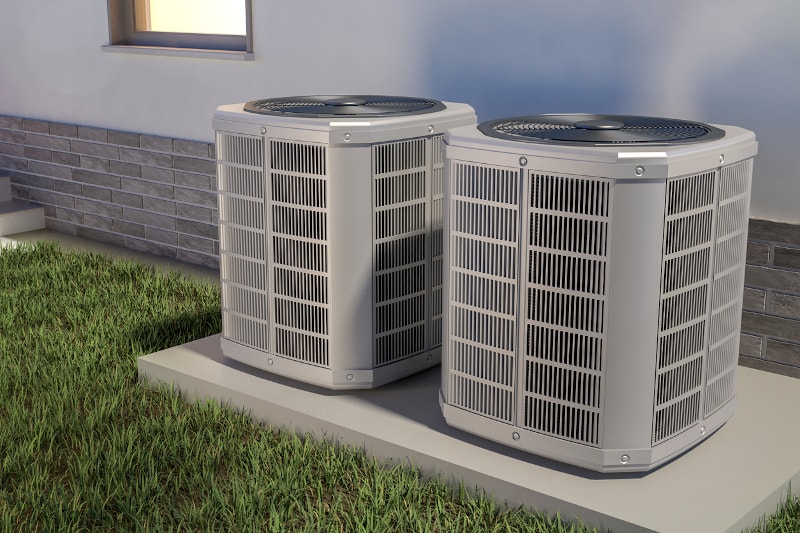
A puddle of water around your heat pump can be alarming, but it doesn’t always mean something is seriously wrong. In some cases, water dripping is a normal part of how a heat pump system operates. However, persistent leaks, indoor water damage, or excessive moisture can signal a problem that needs prompt attention.
If you’re wondering, “Why is my heat pump leaking water?”, understanding the possible causes is the first step toward protecting your home and avoiding more costly repairs. In this guide, we’ll explain the most common reasons for a heat pump leaking water, when it’s considered normal, what you can safely check yourself, and when it’s time to schedule professional heat pump service in Arcadia, FL.
Is It Normal for a Heat Pump to Leak Water?
Some moisture around a heat pump can be normal, especially when the system is operating in heating mode or removing humidity from indoor air. However, the amount of water, where it appears, and how often it returns can help determine whether the system is working properly or needs professional attention.
When Water Dripping Is Completely Normal
A small amount of water near the outdoor unit may be normal during the heating season. As the heat pump pulls heat from the outdoor air, frost can form on the coil. The system periodically enters a defrost cycle to melt that frost, which can create water beneath or around the unit.
Normal condensation may also drain from the indoor portion of the heat pump while it is cooling and removing moisture from the air. As long as the water flows through the condensate drain and does not collect inside the home, it is usually part of normal operation.
When a Heat Pump Leaking Water Signals a Problem
A heat pump leaking water may require service when the moisture appears inside the home, forms a large puddle, returns repeatedly, or causes staining around the air handler. Water near electrical components, musty odors, weak airflow, or ice on the coil can also point to a problem.
Common causes include a clogged condensate drain, dirty air filter, frozen evaporator coil, damaged drain pan, or condensate pump failure. If you notice water leaking from the heat pump and cannot identify a harmless source, turn the system off and arrange professional heat pump service.
Why Heat Pumps Produce Condensation
Heat pumps transfer heat rather than creating it directly. During cooling mode, warm indoor air passes over a cold evaporator coil. Moisture in the air condenses on the coil, much like water forming on the outside of a cold glass.
That moisture should collect in a drain pan and flow out through the condensate line. During heating mode, the outdoor coil may also produce water when frost melts during defrost cycles. Problems arise when drainage is blocked, components are damaged, or airflow issues cause the coil to freeze and release excess water as it thaws.
8 Common Reasons Your Heat Pump Is Leaking Water
1. Clogged Condensate Drain Line
One of the most common reasons for a heat pump leaking water is a clogged condensate drain line. Over time, dirt, algae, mold, and debris can accumulate inside the drain, preventing condensation from flowing outside as intended.
When the drain line becomes blocked, water backs up into the drain pan and may overflow around the indoor unit. Professional cleaning can remove the blockage and restore proper drainage.
2. Dirty Air Filter Restricting Airflow
A clogged air filter restricts airflow across the evaporator coil, making it more difficult for the heat pump to transfer heat efficiently. Reduced airflow can cause the coil to become excessively cold, increasing the likelihood of ice forming on its surface.
When the ice eventually melts, excess water may overwhelm the drain system or create puddles around the indoor unit. Replacing your air filter regularly is one of the simplest ways to help prevent this issue.
3. Dirty Evaporator Coil
Dust and debris on the evaporator coil can also reduce airflow and interfere with normal heat transfer. As the coil becomes less efficient, moisture may accumulate, and freezing can occur under certain conditions.
A dirty coil not only contributes to water leaking from the heat pump but may also reduce energy efficiency and overall system performance. Routine maintenance includes inspecting and cleaning the coil when necessary.
4. Frozen Evaporator Coil
A frozen evaporator coil is often the result of restricted airflow, low refrigerant, or another underlying mechanical issue. While the coil remains frozen, you may notice weak airflow or reduced heating and cooling performance.
As the ice melts, it can produce more water than the condensate drain can handle, resulting in noticeable leaks. Simply removing the ice without correcting the underlying problem often leads to the issue returning.
5. Cracked or Rusted Drain Pan
The drain pan is designed to collect condensation before it flows into the drain line. Over time, older drain pans may crack, rust, or deteriorate, allowing water to escape before reaching the drain.
Even a small crack can allow water to drip onto floors, ceilings, or surrounding building materials. Replacing a damaged drain pan can help prevent ongoing leaks and potential water damage.
6. Condensate Pump Failure (If Equipped)
Some heat pump systems use a condensate pump to move collected water to an appropriate drainage location, particularly when gravity drainage isn’t possible. If the pump stops working because of mechanical failure, electrical issues, or a clogged reservoir, water can begin accumulating around the indoor unit.
A technician can test the pump, identify the cause of the failure, and determine whether it can be repaired or should be replaced.
7. Low Refrigerant Causing Coil Freeze-Ups
Low refrigerant levels reduce the system’s ability to absorb and transfer heat efficiently. This can lower the evaporator coil’s temperature enough to cause ice buildup.
As the frozen coil thaws, excess water may overflow the drain pan or collect around the unit. Because refrigerant operates within a sealed system, low levels often indicate a leak that should be located and repaired by a qualified HVAC professional.
8. Improper Heat Pump Installation or Poor Leveling
Installation problems can also contribute to a heat pump leaking water. If the indoor unit is not properly leveled, condensation may not flow toward the drain as designed. Similarly, incorrectly installed drain lines or poor drainage slopes can cause water to collect inside the system.
If leaks continue despite routine maintenance, having the installation inspected may help identify issues that affect drainage and overall system performance.
Why Is Water Leaking from Your Heat Pump During Heating Mode?
Seeing water around the outdoor unit while your heat pump is heating your home does not always indicate a problem. During cooler weather, heat pumps naturally collect moisture and may produce water as part of the defrost process. However, excessive pooling, indoor leaks, or ongoing performance problems may require professional heat pump service.
Understanding the Defrost Cycle
During heating mode, the outdoor coil absorbs heat from the surrounding air. When outdoor temperatures drop, moisture can freeze on the coil and create a layer of frost. To prevent excessive ice buildup, the heat pump system periodically switches into a defrost cycle.
During this cycle, the system temporarily warms the outdoor coil to melt the frost. The melted ice drains beneath the outdoor unit, which can make it appear as though the heat pump is leaking water. You may also notice steam rising from the unit during defrost, which is typically normal.
When Outdoor Water Is Expected
A small puddle or steady dripping beneath the outdoor unit is generally expected during or shortly after a defrost cycle. Rain, high humidity, and cool weather can also increase the amount of water around the equipment.
The outdoor unit should be installed on a stable, level base with enough clearance for water to drain away properly. As long as the water remains outdoors, drains normally, and the system continues heating effectively, it may simply be normal condensation.
Signs the Leak Is More Than Normal Condensation
Water may indicate a problem when it forms a large, persistent pool, does not drain away, or appears near the indoor air handler. Thick ice that remains on the outdoor coil, frequent defrost cycles, weak heating, unusual noises, or rapidly rising energy bills can also signal an issue.
A blocked drain, damaged drain pan, restricted airflow, refrigerant problem, or malfunctioning defrost control may be responsible. If you notice ongoing water leaking from the heat pump along with reduced performance, turn the system off if necessary and schedule professional heat pump service to prevent additional damage.
Where Is the Water Coming From? Indoor vs. Outdoor Heat Pump Leaks
The location of the water can provide an important clue about whether your heat pump is operating normally or needs professional attention. Moisture around the outdoor unit is often related to condensation or the defrost cycle, while water near the indoor unit is more likely to indicate a drainage, airflow, or mechanical problem.
Water Leaking from the Indoor Unit
Water leaking from the indoor portion of a heat pump system is generally not considered normal. The indoor unit produces condensation during cooling mode, but that moisture should collect in the drain pan and flow safely through the condensate drain line.
Indoor leaks may be caused by a clogged drain line, cracked drain pan, dirty air filter, frozen evaporator coil, or failed condensate pump. Water may appear beneath the air handler, around nearby flooring, or as stains on a ceiling if the unit is installed in an attic.
If you notice indoor water, turn the system off when necessary to limit moisture damage and arrange professional heat pump service. A technician can trace the leak, inspect the drainage system, and determine whether another system issue is contributing to the problem.
Water Around the Outdoor Unit
Water beneath the outdoor unit can be normal, especially while the heat pump is operating in heating mode. Frost may form on the outdoor coil during cooler weather, and the system’s defrost cycle melts that frost. The resulting water then drains beneath the equipment.
Rain and humid conditions can also leave moisture around the outdoor unit. However, a large pool that does not drain, heavy ice buildup, or water near damaged electrical components should be inspected. Improper grading, a blocked drainage area, or a malfunctioning defrost system may be responsible.
How the Leak Location Helps Identify the Cause
Indoor water often points to a condensate drainage or evaporator coil problem, while outdoor water is more commonly associated with normal condensation and defrosting. The location alone may not confirm the exact cause, but it helps narrow down which components need to be inspected.
Also consider when the leak occurs, how much water is present, and whether the system is heating or cooling properly. If water leaking from the heat pump is accompanied by weak airflow, unusual noises, musty odors, ice buildup, or reduced comfort, professional diagnosis can help prevent further system or property damage.
5 Signs Your Heat Pump Leaking Water Needs Professional Service
1. Standing Water Around the Indoor Unit
Standing water beneath or near the indoor air handler is not part of normal operation. It may indicate a clogged condensate drain, damaged drain pan, failed condensate pump, or frozen coil that has begun to thaw.
Water near the indoor unit can damage flooring, ceilings, insulation, and nearby building materials. It may also reach electrical components. Turn the system off when necessary and schedule professional service to locate and repair the source of the leak.
2. Ice on the Coil or Refrigerant Lines
Ice on the evaporator coil or refrigerant lines often signals restricted airflow, low refrigerant, or another problem affecting heat transfer. As the ice melts, the resulting water may overflow the drain pan and collect around the unit.
Avoid removing the ice with sharp tools or continuing to operate the system while it is frozen. A technician can inspect the filter, coil, blower, and refrigerant system to determine why the freeze-up occurred.
3. Reduced Heating or Cooling Performance
If your heat pump system is leaking water and struggling to maintain the thermostat setting, the two issues may be connected. Dirty coils, restricted airflow, refrigerant problems, and frozen components can all reduce heating or cooling performance.
Other warning signs include longer run times, uneven temperatures, weak airflow, or frequent cycling. Professional diagnosis can help restore comfort while addressing the source of the moisture.
4. Musty Odors or Visible Mold
Musty smells may indicate that moisture is collecting inside the air handler, drain pan, condensate line, or nearby ductwork. Visible microbial growth around the unit or vents can also suggest an ongoing moisture problem.
Cleaning the visible area may not resolve the underlying cause. A technician can inspect the drainage system and other components to determine why moisture continues to accumulate and recommend the appropriate next steps.
5. Repeated Leaks After Cleaning
If you clear the visible drain opening or replace the air filter but the leak keeps returning, a deeper blockage or mechanical problem may be present. The issue could involve a damaged drain pan, incorrectly sloped drain line, condensate pump failure, frozen coil, or refrigerant concern.
Repeated water leaking from the heat pump should not be treated as a routine cleanup issue. Scheduling professional heat pump service can help correct the underlying problem before it causes further equipment or property damage.
What You Can Check Before Calling for Heat Pump Service
Before scheduling heat pump service, there are a few simple checks you can safely perform. While these steps won’t resolve every issue, they may help identify an obvious cause of the problem or provide useful information for your HVAC technician. If your heat pump leaking water continues after these checks, it’s time to have the system professionally inspected.
Replace or Inspect the Air Filter
A dirty air filter is one of the most common causes of airflow problems. When the filter becomes clogged with dust and debris, the heat pump system has to work harder to move air, which can contribute to frozen coils and excess water as the ice melts.
Inspect the filter and replace it if it appears dirty or if it has been several months since the last replacement. Regular filter changes can help support proper airflow and reduce unnecessary strain on the system.
Check the Condensate Drain for Visible Blockages
If your indoor unit has an accessible condensate drain opening, look for visible signs of algae, dirt, or debris that may be preventing water from draining properly. Water collecting around the drain pan or overflowing near the air handler may indicate a blockage.
Avoid inserting objects into the drain line or using excessive force to clear a clog, as this could damage the drainage system. If you suspect the drain line is blocked, professional cleaning is the safest option.
Inspect Around the Outdoor Unit
Walk around the outdoor unit and check for leaves, grass clippings, mulch, or other debris that may restrict airflow or interfere with proper drainage. Make sure the area around the heat pump is clear and that water can drain away freely from the base of the unit.
If you’re operating in heating mode, remember that some water beneath the outdoor unit may simply be the result of the defrost cycle. However, excessive ice buildup, poor drainage, or signs of damage should be evaluated by a technician.
Turn Off the System if Ice Is Present
If you see ice covering the evaporator coil, refrigerant lines, or outdoor coil for an extended period, it’s best to turn the system off and arrange heat pump service. Continuing to operate a frozen heat pump system can place additional strain on important components and may lead to more extensive repairs.
A technician can determine whether the freeze-up is caused by restricted airflow, low refrigerant, a mechanical issue, or another underlying problem before safely restoring normal operation.
Can You Prevent a Heat Pump from Leaking Water?
Not every heat pump leaking water can be prevented, but regular maintenance and a few simple habits can significantly reduce the risk of drainage problems, frozen coils, and other issues that contribute to leaks. Keeping your heat pump system in good condition also helps support reliable heating and cooling performance throughout the year.
Schedule Routine Heat Pump Maintenance
Routine maintenance allows an HVAC technician to inspect the system before small issues become larger repairs. During a maintenance visit, the technician can check the drain line, inspect the evaporator coil, test system operation, examine electrical components, and look for signs of wear or developing problems.
Professional maintenance can also help identify drainage concerns early, reducing the likelihood of unexpected water leaks or interruptions in comfort.
Keep the Drain Line Clean
The condensate drain line carries moisture away from the indoor unit. Over time, algae, dirt, and debris can accumulate inside the line, restricting drainage and causing water to back up into the drain pan.
Having the drain line inspected and cleaned as part of regular heat pump service can help maintain proper water flow and reduce the risk of indoor leaks.
Replace Air Filters Regularly
A clean air filter supports healthy airflow throughout the heat pump system. When the filter becomes clogged, airflow decreases, making it more likely for the evaporator coil to freeze. As the ice melts, excess water can contribute to leaks around the indoor unit.
Check your air filter regularly and replace it according to the manufacturer’s recommendations or more frequently if your home has pets, increased dust, or heavy system use.
Have Refrigerant Levels Checked When Needed
Low refrigerant can reduce the system’s ability to transfer heat efficiently and increase the risk of frozen coils. Because refrigerant operates within a sealed system, levels should not normally decrease over time. If refrigerant is low, there may be a leak that requires professional repair.
If your heat pump shows signs of reduced performance, ice buildup, or repeated water leaks, a technician can inspect the refrigerant system, locate any leaks if present, and recommend the appropriate repair to restore reliable operation.
Professional Heat Pump Service in Arcadia, FL
If your heat pump is leaking water, don’t ignore the warning signs. While some moisture may be part of normal operation, persistent leaks, indoor water damage, or reduced system performance often require professional attention. Executive Cooling & Heating provides dependable heat pump service in Arcadia, FL, helping homeowners identify the source of the problem and restore reliable comfort.
Why Homeowners Trust Executive Cooling & Heating
Since 1988, Executive Cooling & Heating has delivered honest, dependable HVAC solutions backed by experienced technicians and quality workmanship. We service all major makes and models, carefully inspecting your heat pump system to identify the cause of the leak and explain your repair options in clear, straightforward terms.
Our goal is to provide accurate diagnostics and practical recommendations so you can make informed decisions about your home’s comfort.
Fast Diagnosis for Heat Pump Leaks
A heat pump leaking water can be caused by several different issues, from clogged drain lines and frozen coils to damaged drain pans or refrigerant problems. Our technicians perform a thorough inspection to determine the underlying cause rather than simply addressing the visible symptoms.
Once we’ve identified the issue, we’ll explain the recommended repair and work efficiently to restore your system’s performance while helping prevent additional damage.
FAQs About Why Heat Pump is Leaking Water
Why is my heat pump leaking water inside my house?
Water leaking from the indoor unit may be caused by a clogged condensate drain line, cracked drain pan, frozen evaporator coil, dirty air filter, or failed condensate pump. Indoor leaks are generally not considered normal and should be addressed promptly to help prevent damage to flooring, ceilings, insulation, or nearby electrical components.
Is it normal for my heat pump to drip water outside?
Yes, some water around the outdoor unit can be normal, particularly during heating mode. Frost may form on the outdoor coil and melt when the system enters its defrost cycle. However, excessive pooling, persistent ice buildup, unusual noises, or reduced heating performance may indicate that the heat pump system needs professional inspection.
Should I turn my heat pump off if it’s leaking water?
Turn the heat pump off if water is collecting around the indoor unit, approaching electrical components, or appearing alongside ice buildup, burning odors, or unusual mechanical noises. Shutting the system down may help limit further equipment or property damage until a qualified HVAC technician can inspect it.
Can a dirty air filter cause a heat pump to leak water?
Yes. A dirty air filter can restrict airflow across the evaporator coil, causing the coil to become too cold and freeze. When the ice melts, the resulting water may overflow the drain pan or collect around the indoor unit. Replacing the filter may improve airflow, but repeated freezing or leaking requires professional heat pump service.
Does low refrigerant cause a heat pump to leak water?
Low refrigerant can cause the evaporator coil to freeze by interfering with normal heat transfer. When the ice eventually melts, excess water may overwhelm the drainage system. Because a heat pump operates as a sealed refrigerant system, low levels often point to a leak that should be located and repaired by a qualified technician.
How much does it cost to repair a heat pump leaking water?
The cost depends on the source of the leak and the parts or labor required. Clearing a clogged drain line may be relatively straightforward, while replacing a condensate pump, repairing a refrigerant leak, or correcting installation problems may involve more extensive work. A professional inspection is the best way to receive an accurate diagnosis and repair estimate.
How often should my heat pump be serviced?
A heat pump should generally receive professional maintenance at least once a year. Because heat pumps provide both heating and cooling, some homeowners schedule service twice annually, typically before the main cooling and heating seasons. Routine maintenance can help keep the drain system clear, support proper airflow, and identify developing problems before they lead to leaks or breakdowns.
Don’t Let Your Comfort Go Down the Drain!
If your heat pump is leaking water, addressing the problem early can help prevent additional damage and keep your system operating efficiently. Whether the issue is caused by a clogged drain line, frozen coil, or another mechanical concern, professional diagnosis can help restore reliable performance. At Executive Cooling & Heating, we’re committed to providing dependable HVAC solutions for homeowners throughout the area. In addition to heat pump repairs, we offer Air Conditioning Repair Service in Punta Gorda, Heating Services in Punta Gorda, Air Conditioner Maintenance Plans in Punta Gorda, and solutions that support better indoor air quality in Punta Gorda.
If you’ve noticed water leaking from your heat pump, we’re here to help. Our experienced technicians will inspect your system, identify the cause of the leak, and recommend the right solution to get your home comfortable again. We also offer convenient financing options for qualifying projects. Call us today at (941) 637-9800 or contact us to schedule your heat pump service or learn more about our complete heating and cooling services.